
 Donate Now
In Hindu tradition, festivals are not just occasions of joy but also moments of deep spiritual awakening. Many of them are connected to great divine pastimes and sometimes even occur on the same tithi (date). Among these, Navratri and Dussehra 2025 hold special significance.
Navaratri is a festival that honors Mother Durga, who is said to have killed the powerful demon Mahishasura. At the same time, Dussehra is the festival where Lord Rama is said to have killed the demon Ravana.
Many people are wondering if Dussehra is a part of Navaratri? Or are they different from each other that happen to fall at the same time? In this blog, we'll explore the origin, significance, and rituals of these two festivals.
What Is Navratri?
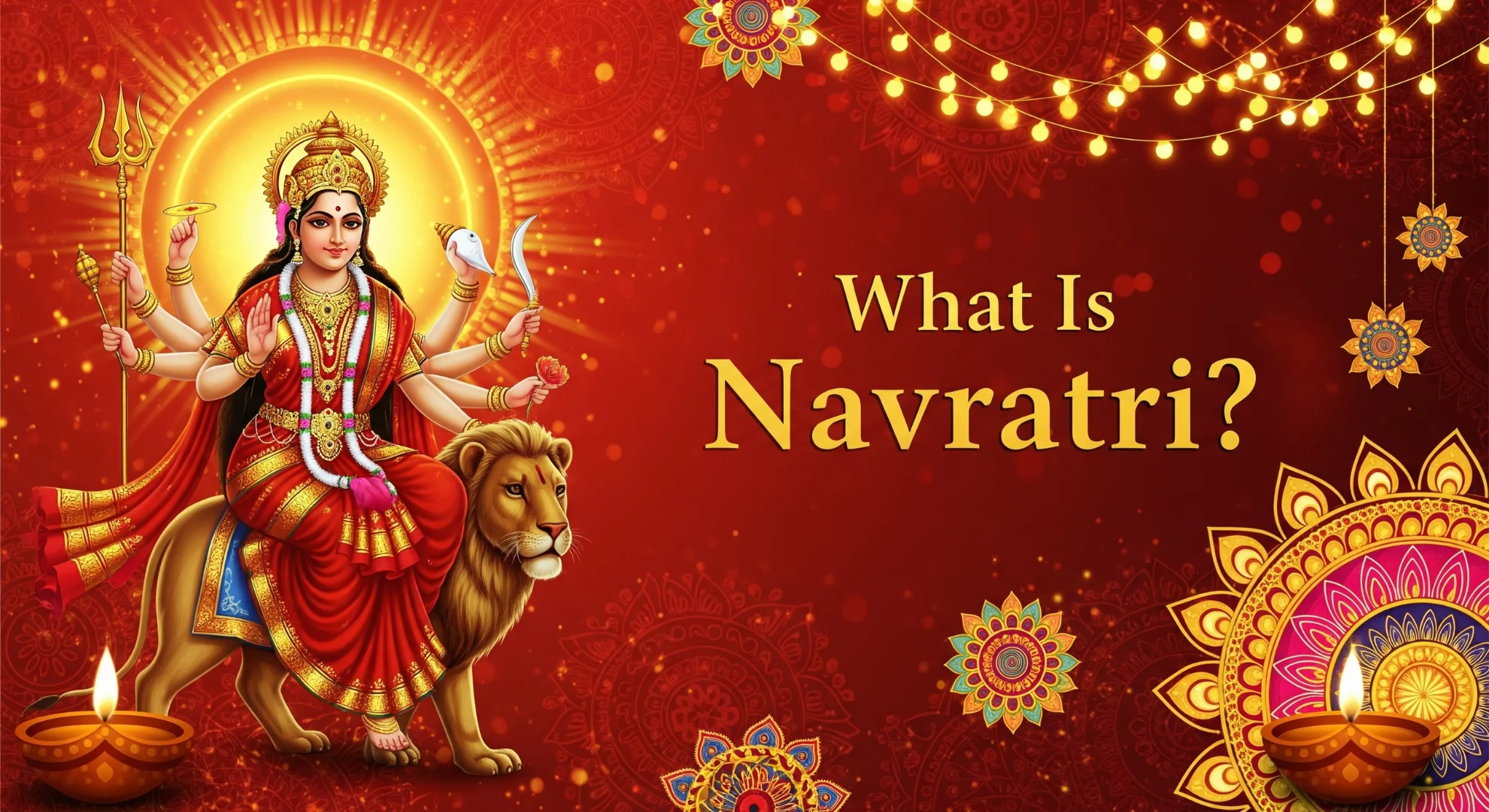
The word 'Navratri' is a Sanskrit word, where 'nava' means nine and 'ratri' means night. It represents the nine-day worship of Mother Durga in her nine different forms. These days, people observe fasting, meditate, and offer prayers to the Goddess Durga.
Significance:
Navratri festival is dedicated to the nine unique powers of Mother Durga. Each day is observed to honor Her different forms, holding a particular power. The nine-day journey is a devotional experience for devotees. They attain success and prosperity through the blessings of Goddess Durga.
Cultural Celebration:
Navratri is celebrated in many parts of India. In West Bengal, this festival is celebrated alongside Durga Puja and various cultural events.
In Gujarat, the festival of Garba and Dandiya takes place, where people gather together and dance all night.
In Northern India, devotees perform the Raamlila, fast for nine days, and worship the idol of Mother Durga daily.
What Is Dussehra?
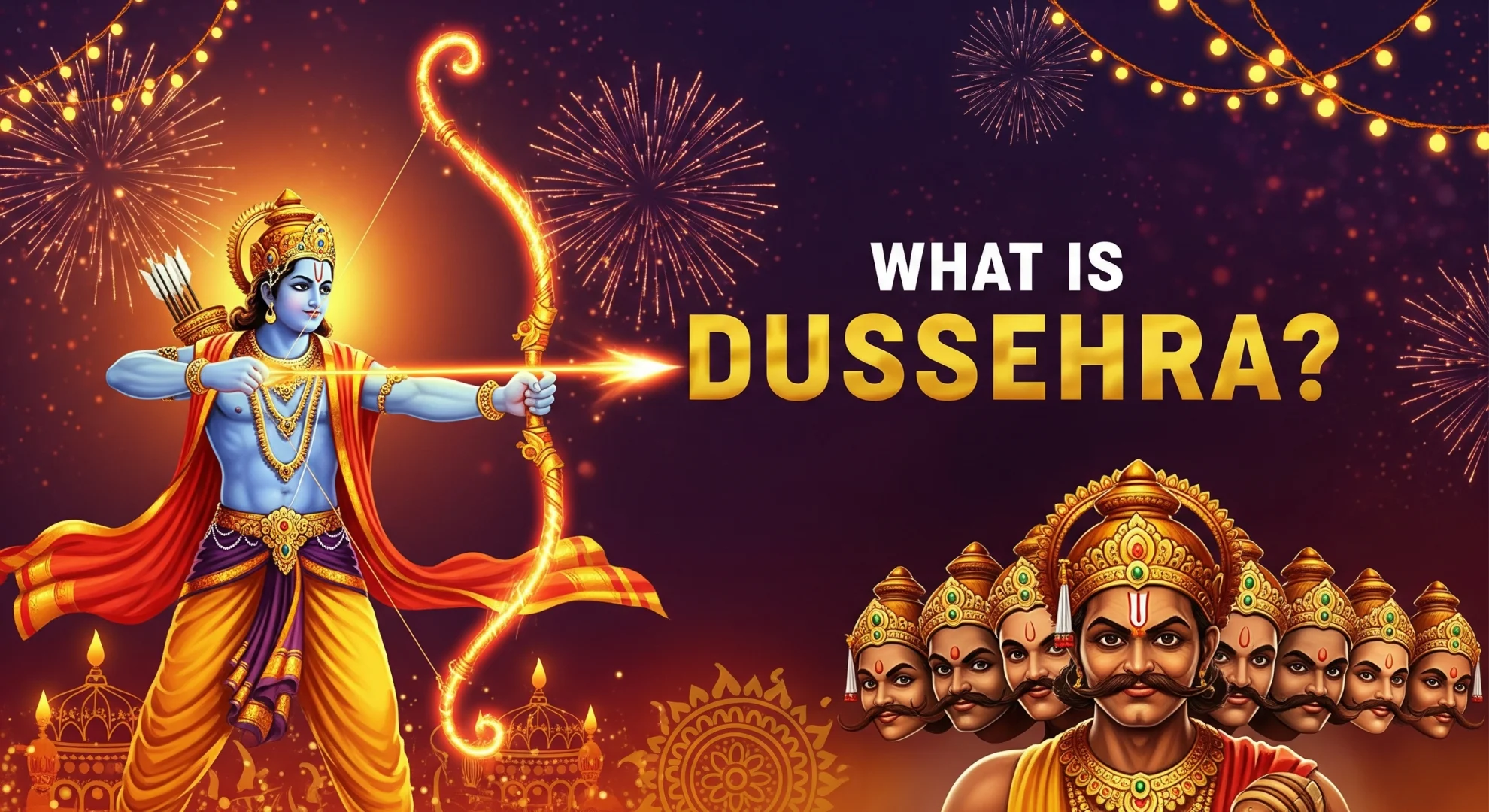
Dussehra, also known as Vijayadashami, is one of the most celebrated festivals in India. It occurs on the tenth day after the nine-day celebration of Navratri. This word is derived from 'Dus ', which means ten, and 'Hara' means defeat, which symbolizes the defeat of ten-headed Ravana, the demon king.
Significance:
Dussehra's Significance lies in the memorial of the victory of Dharma over Adharma, represented by Lord Rama's triumph over the demon king Ravana.
He abducted the wife of the Lord and captured her in his kingdom, Lanka. To rescue his wife, Lord Rama, along with Hanuman, Lakshmana, and the Vanara Sena, reached Lanka.
It is the encouragement for everyone to overcome their inner demons, such as anger, arrogance, and desires. One must invoke the name of the Supreme Lord when these tamasic qualities attempt to overwhelm the senses.
The fight between Lord Rama and Ravana isn't just about honoring the battle; it is also about learning and applying it to everyday life. It is wise to support ourselves, show courage, and stand with righteousness.
Cultural Celebration:
Dussehra is one of the most culturally rich festivals in India. In Uttar Pradesh, a massive Ram Lila program is performed on stages throughout the state. It attracts thousands of locals and other visitors at a time.
In Karnataka, many royal families arrange Mysuru Dasara, a grand festival to celebrate the victory of good over evil. It involves decorated elephants, various cultural programs, a parade, beautiful lighting, costumes, and the gathering of thousands of locals.
Connection Between Navaratri and Dussehra:
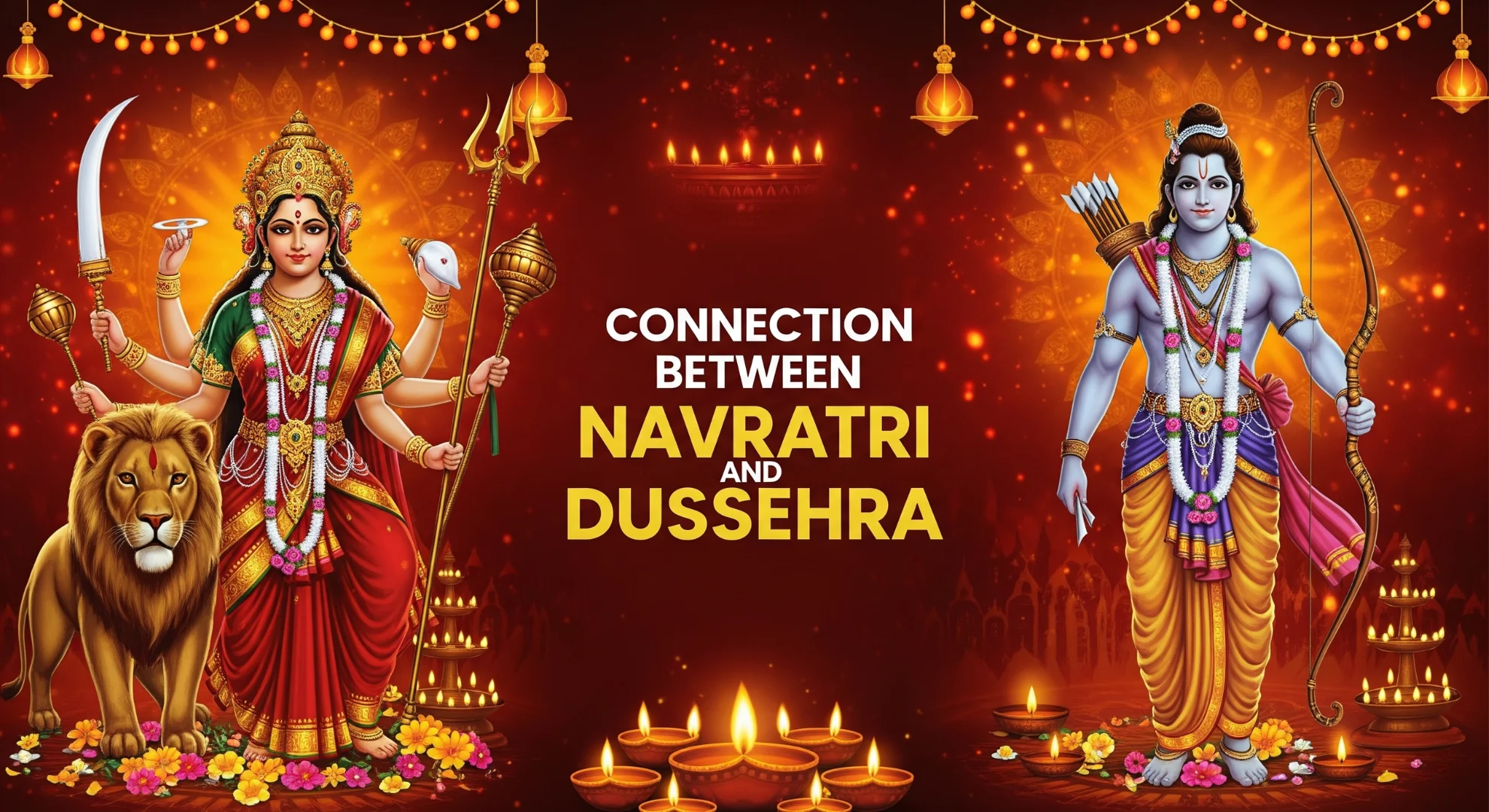
From a moral perspective, both Navaratri and Dussehra highlight the victory of righteousness over unrighteousness. However, from a cultural and historical point of view, they are totally different.
Navaratri is a nine-day celebration of nine different forms of the Mother Goddess Durga. It involves the nine-day & night worship, other offerings, yagya, aarti, and devotional bhajans.
While Dussehra is a one-day celebration where a statue of Ravana is burned at different places, it features a grand fair showcasing traditional items and food. Many people, including the locals and other visitors, attend the fair with their friends and family.
These festivals are celebrated in different ways in different regions. In Bengal, Durga Puja is held on the ninth day, and Dussehra is celebrated as Durga Visarjana. In Gujarat, Navratri is celebrated for nine days, and on the tenth day, Dussehra is observed as Vijayadashami.
In the northern Part of India, Ramlila performances are held during the Durga Puja and Navaratri celebrations. On the tenth day, people burn the statue of Ravana and celebrate Dussehra.
FAQs
Is Dussehra part of Navratri?
No, Dussehra is not the festival of celebrating the victory of Lord Rama; it is actually the festival of celebrating the victory of Lord Rama when he defeated and killed Ravana, the demon king. The demon abducted His wife Sita, and was disturbing nature and people.
Navaratri is the festival of Mother Durga. It lasts for nine days, followed by yagna, devotional songs, and fasting. It marks the victory of the Goddess Durga over the powerful demon, Mahishasura.
Why is Dussehra celebrated after Navratri?
Navaratri falls in the month of Ashwin, beginning on the Pratipada tithi (first day) and lasting for nine days. The last day, Navami, is marked by yagna, prasad offering, charity, and breaking the fast.
Dussehra, also known as Vijayadashami, falls in the month of Ashwin, specifically on the tenth day, which comes after Navami Puja.
What is the difference between Navratri and Dussehra?
Navratri is a nine-day festival dedicated to the worship of Goddess Durga and her nine forms, symbolizing the victory of divine power over evil. Dussehra (or Vijayadashami) is celebrated on the 10th day, marking Lord Rama’s victory over Ravana and the culmination of Navratri, signifying the triumph of good over evil.
Conclusion
The festivals of Navaratri and Dussehra represent the true values of Hinduism. They are differently celebrated across India. The mere focus of Navaratri and Dussehra is on the success of righteousness over unrighteousness.
One must learn the story behind Navaratri and Dussehra to get a clear picture of what happened in ancient times. Celebrate both festivals as they are arranged in nearby temples and glorify the idol of Mother Durga on Navaratri and Lord Rama on Dussehra.
Other Articles You May Like: