
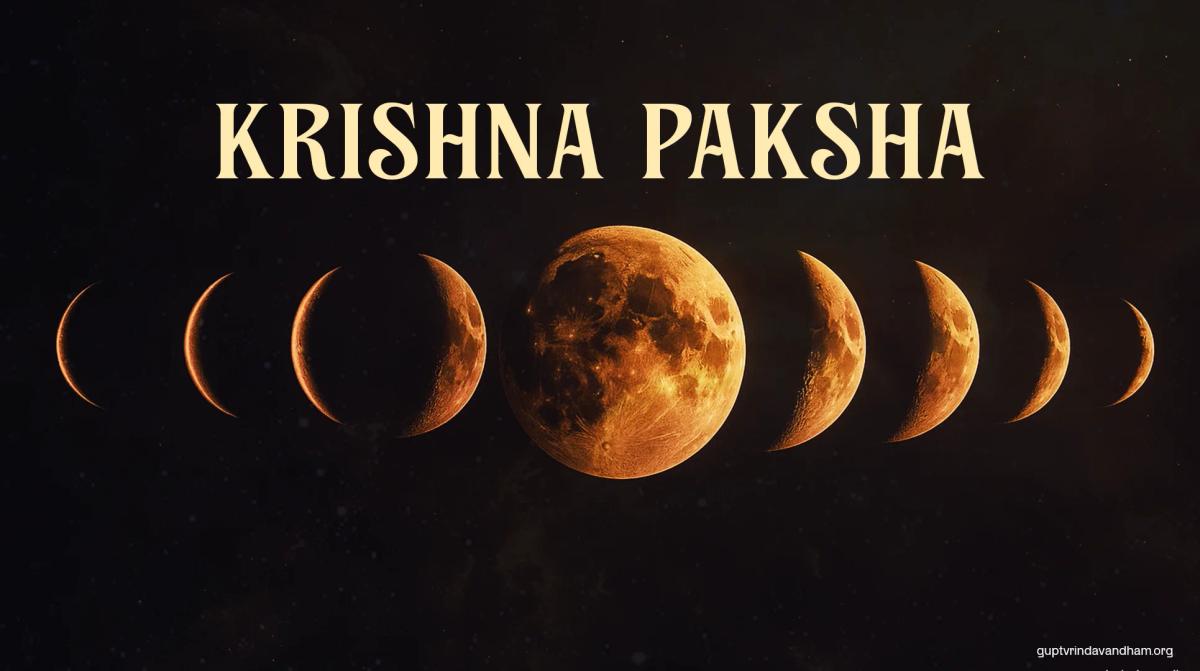
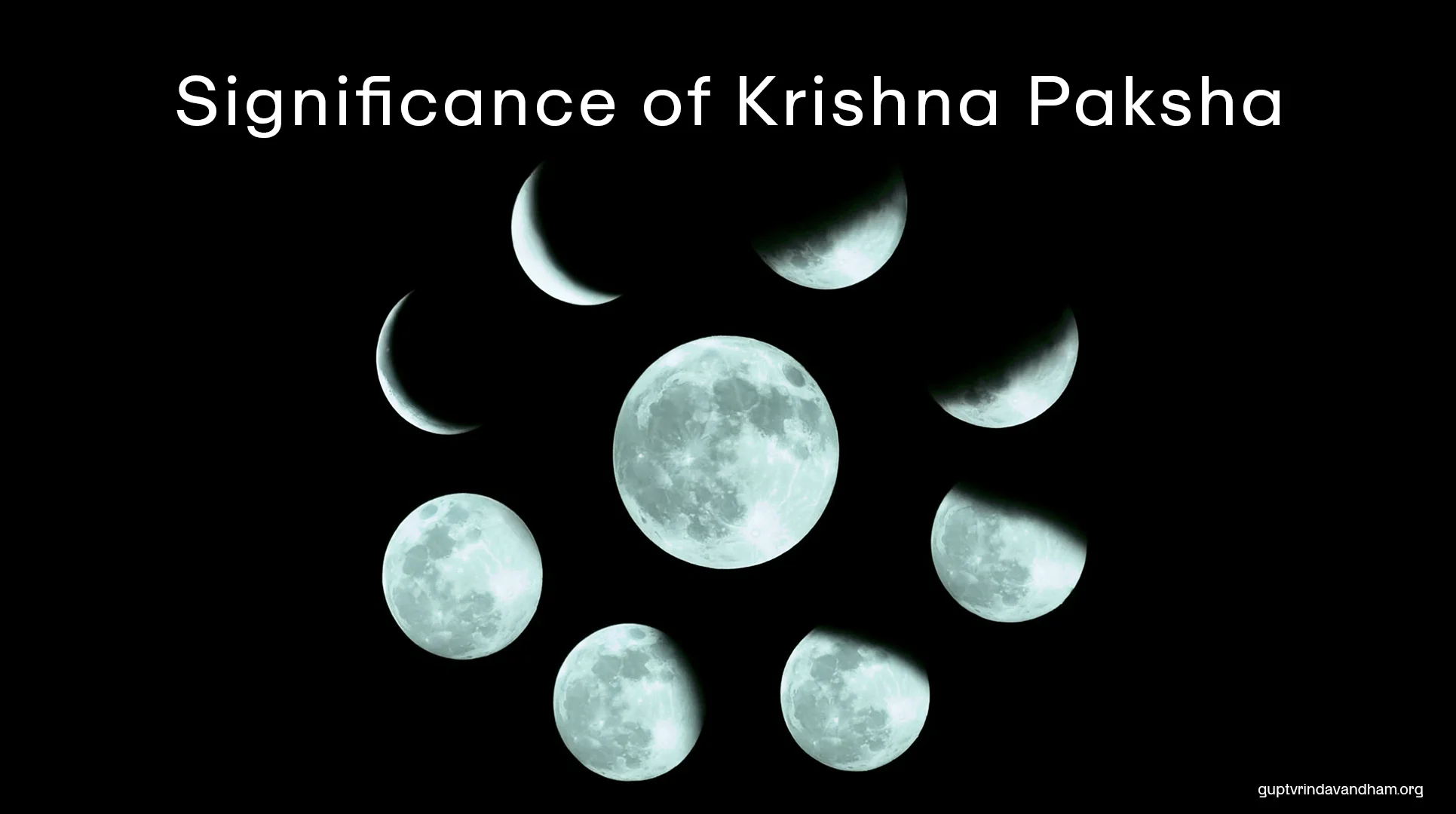
Krishna Paksha is a 15-day lunar period when the moon wanes from Purnima to Amavasya, symbolizing the “dark fortnight” or the darker phase of the month.
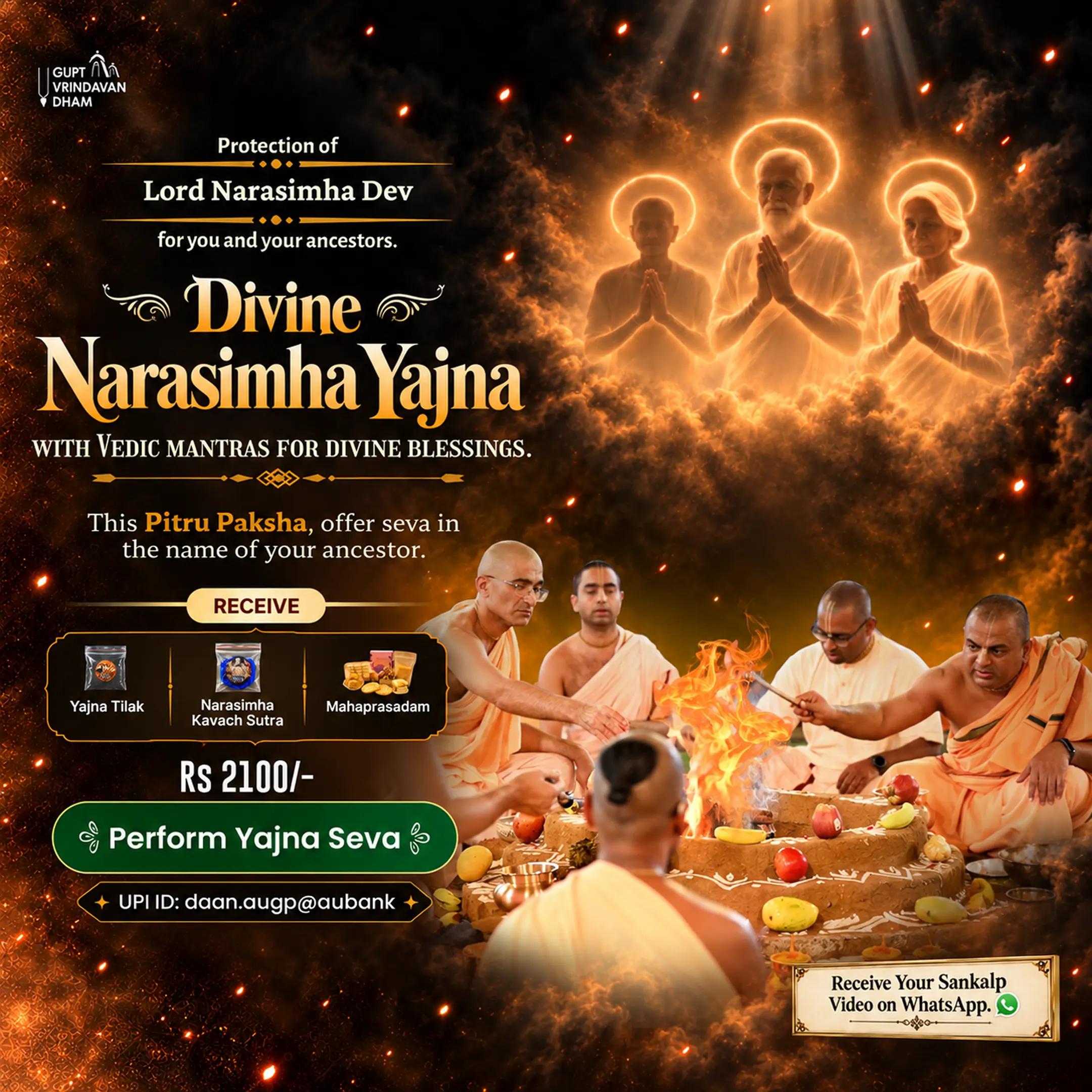
This time is regarded as spiritually powerful for introspection, cleansing, and letting go of negativity. During this period, rituals like ancestor worship (Pitru Paksha) are observed with deep devotion.
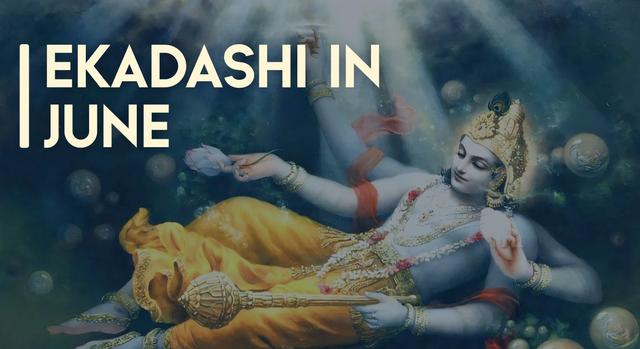
Devotees especially treat Ekadashi as a sacred day for fasting, chanting, charity, and devotional service, offering their acts of service to honor ancestors and support spiritual progress.
Meaning of Krishna Paksha
Krishna Paksha refers to the waning phase of the moon, starting right after the full moon and continuing until the new moon. During these fifteen days, the moon gradually becomes smaller, and its light decreases night after night. The term comes from Sanskrit and means “dark side” or “dark fortnight,” representing the darker half of the lunar month.
Although some people consider this period less auspicious, devotees still follow the lunar calendar and use Krishna Paksha to plan important rituals and observances.
Significance of Krishna Paksha
Krishna Paksha holds deep spiritual importance as a time for purification, honoring ancestors, and celebrating Lord Krishna’s birth. Lord Krishna is born on the Ashtami of Krishna Paksha, which is observed as Krishna Janmashtami.
This dark fortnight is ideal for spiritual practices such as fasting, chanting, and prayer. These practices help devotees overcome material desires, remove negative karma, and gain blessings for themselves and their forefathers.
During this period, devotees focus on spiritual purification by fasting, praying, and chanting the Hare Krishna Mahamantra, which cleanses the mind and soul.
The Pitru Paksha also falls during Krishna Paksha, making it a time to honor ancestors. Observing rituals and fasts like Indira Ekadashi is believed to liberate ancestors and grant them peace.
Devotees also engage in other devotional activities, including listening to Krishna Katha, attending temple events, and performing acts of service.
Observing Ekadashi fasts during Krishna Paksha brings blessings and spiritual progress, with specific Ekadashis offering unique benefits—for example, Indira Ekadashi aids ancestors, and Mokshada Ekadashi is linked to salvation.
The most significant event of this period is Krishna Janmashtami, celebrated on the Ashtami of Krishna Paksha in the month of Bhadrapada, marking Lord Krishna’s birth and His divine mission to uphold dharma.
Devotional Practices During Krishna Paksha
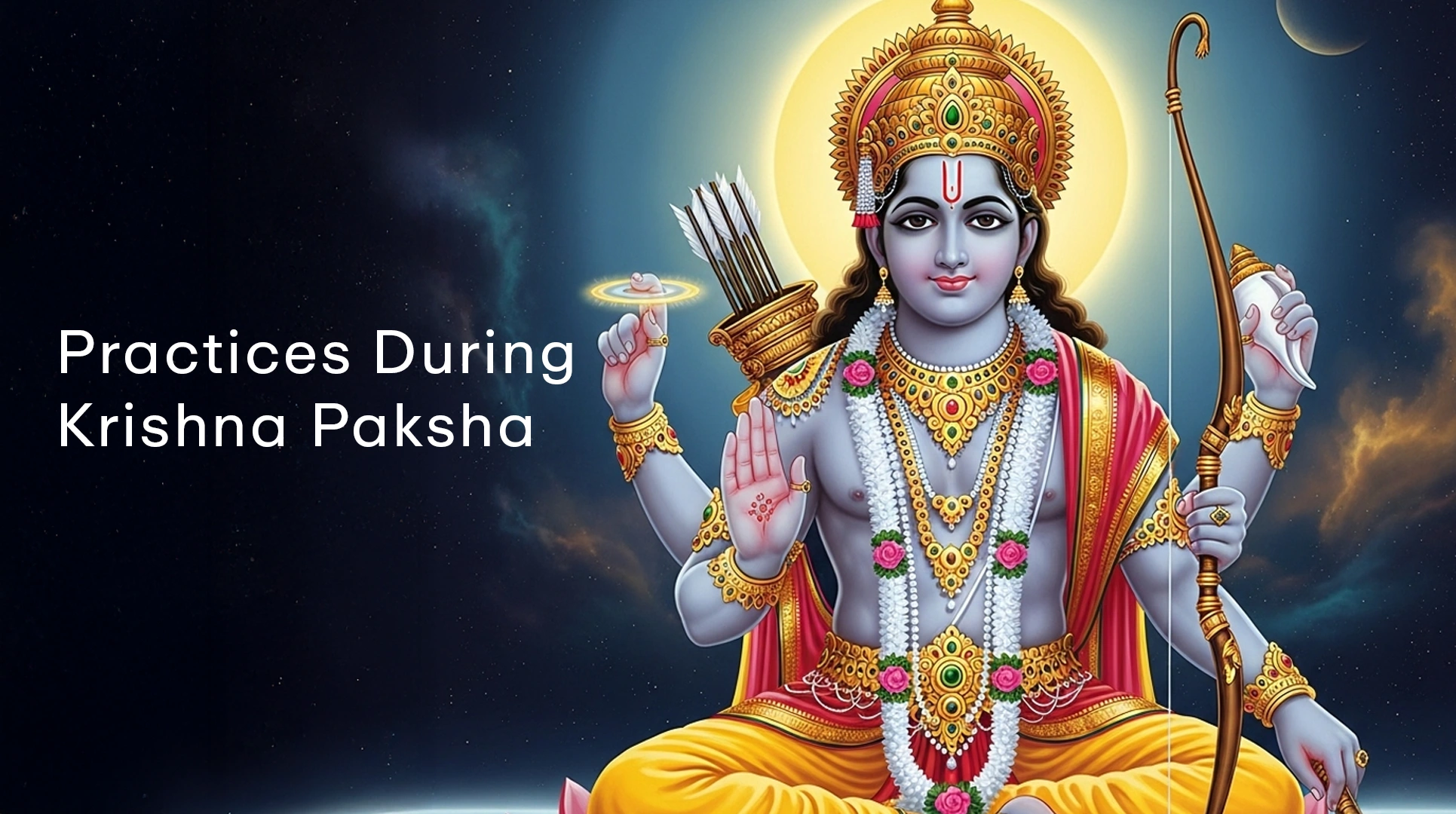
Krishna Paksha is a spiritually important time when devotees focus on deepening their devotion through intensified practices. The dark fortnight is ideal for fasting, chanting, worship, and honoring ancestors, helping individuals strengthen their connection with the Divine.
Fasting on Ekadashi
On the eleventh day of Krishna Paksha, devotees observe Ekadashi by avoiding grains, beans, and cereals. Fasting reduces the body’s demands and allows them to concentrate on spiritual growth and inner reflection.
Chanting and Meditation
Devotees increase their rounds of chanting the Hare Krishna Mahamantra using japa beads, often completing 16 or more rounds. This practice helps purify the mind and deepen focus on Krishna.
Study of Scriptures
Krishna Paksha is a perfect period for reading sacred texts such as the Bhagavad Gita and Srimad Bhagavatam, gaining wisdom and guidance for spiritual life.
Deity Worship and Offerings
Devotees perform arati, offer prayers, and engage in seva (service) at home or in temples. These devotional activities enhance mindfulness and foster a loving relationship with Krishna.
Kirtan and Community Participation
Joining kirtan (congregational singing) and participating in spiritual discussions with fellow devotees strengthens devotion and creates a supportive spiritual environment.
Honoring Ancestors During Pitru Paksha
The dark fortnight also includes Pitru Paksha, a time dedicated to remembering and honoring ancestors. Devotees first offer sattvic food to Krishna, then present it to their forefathers with mantras and water, believed to bring peace to departed souls.
Krishna Janmashtami Celebrations
The eighth day (Ashtami) of Krishna Paksha in Shravana/Bhadrapada marks Krishna Janmashtami, celebrating Lord Krishna’s birth. Devotees fast until midnight, chant, read scriptures, and participate in midnight arati and special celebrations.
By following these practices, devotees purify their consciousness, reduce material desires, and deepen their love and devotion to Krishna.
Conclusion
Krishna Paksha is a sacred period that encourages devotees to focus on devotion, self-purification, and honoring ancestors.
By observing Ekadashi fasts, chanting the Hare Krishna Mahamantra, studying scriptures, performing deity worship, and participating in kirtan, devotees can cleanse their minds, reduce material desires, and strengthen their connection with Krishna.
Celebrating Krishna Janmashtami during this dark fortnight brings spiritual joy and reinforces Krishna’s teachings.
Following these practices helps devotees grow spiritually, cultivate love for Krishna, and lead a mindful, devotional life.