
 Donate Now
Mokshada Ekadashi will be observed on Sunday, 20 December 2026 the same sacred day when Lord Krishna spoke the timeless wisdom of the Bhagavad Gita. This Ekadashi, celebrated on Shukla Paksha, is revered for granting spiritual upliftment and honoring Krishna’s divine teachings.
Mokshada Ekadashi is a significant observance that falls in the Shukla Paksha of the Margashirsha month and is widely recognised for its connection with Gita Jayanti, the day when Lord Krishna narrated the Bhagavad Gita to Arjuna on the battlefield of Kurukshetra.
This Ekadashi is traditionally observed to seek liberation and is considered one of the most significant fasts of the year. It is also known by other names, such as Mauna Ekadashi or Maun Agyaras, during which many people take a vow of silence.
In the month of Margashirsha, several major vrats are observed, and Mokshada Ekadashi holds a special place among them due to its spiritual importance. The fast is believed to help one overcome past karmic burdens and is observed with simplicity, discipline, and scriptural reading.
Let's go through this guide and understand the rituals, spiritual significance, story, and benefits of Mokshada Ekadashi.
Mokshada Ekadashi 2026 Tithi and Parana Time
-
Ekadashi Tithi Begins: 19 Dec, 10:12 PM
-
Ekadashi Tithi End: 20 Dec, 08:16 PM
-
The Parana (fast-breaking) period is on December 21 from 7:11 AM to 10:40 AM.
Mokshada Ekadashi Meaning
The word 'Moksha' itself means liberation. Whoever observes this Ekadashi with devotional intentions and a selfless attitude gets liberation after life.
This is also observed for the purpose of releasing one's ancestor soul from eternal sufferings. In this ritual, Lord Krishna is worshipped through sincere prayers and fasting.
Devotees observe this day as an opportunity to enhance their spiritual practices, such as performing Harinam Sankirtan, chanting for hours, and contributing to temple sevas.
Story of Mokshada Ekadashi (Katha)
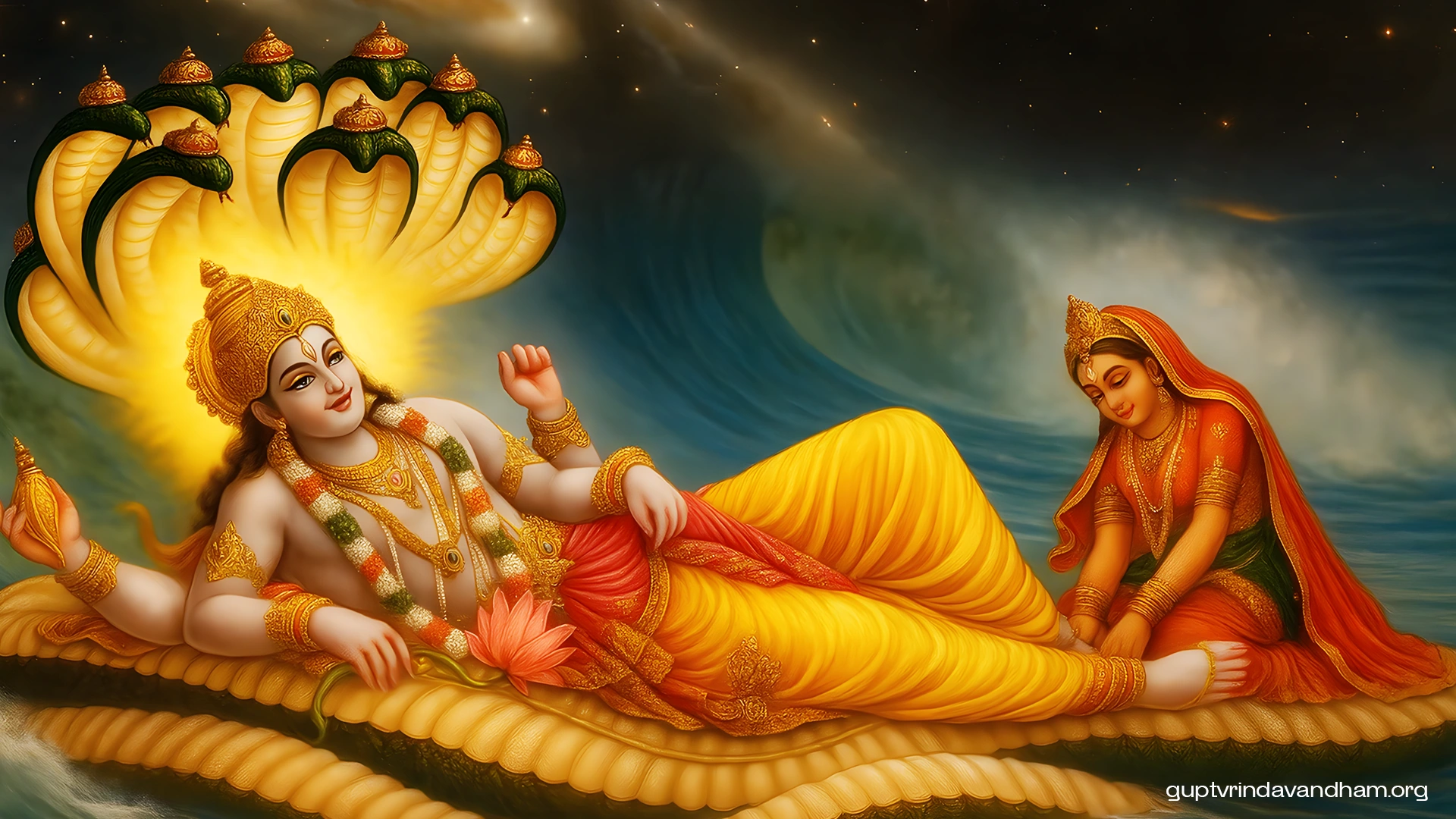
Once, King Yudhishthira asked Lord Krishna about the Ekadashi that falls in the bright fortnight of the Margashirsha month (November–December). He wanted to know its name, procedure, and the deity worshipped on that day. Krishna explained that this Ekadashi is known as Mokshada Ekadashi, a day that frees a person from sins and grants liberation. The deity worshipped on this day is Lord Damodara.
To explain its importance, Krishna narrated an ancient story:
In the city of Champaka-nagar, there lived a righteous king named Vaikhanasa. One night, the king saw a disturbing dream in which his father was suffering in a hellish condition and was calling out for help. Shocked and filled with grief, the king immediately approached learned brahmanas the next morning and asked how he could save his father.
The brahmanas advised the king to visit the great sage Parvata Muni, who lived in a nearby forest and was known for his spiritual wisdom. The king went to the sage, offered respect, and described his troubling dream.
Parvata Muni meditated for a moment and revealed that the king’s father was suffering due to a serious sin from a past life. The sage then told the king the remedy:
To observe the upcoming Mokshada Ekadashi with full sincerity and offer the merit of the fast to his father.
King Vaikhanasa faithfully observed the fast along with his family. After completing the vrat and offering its spiritual merit to his father, something miraculous happened — divine beings appeared and informed the king that his father had been relieved from all suffering and was now rising to the heavenly planets. As he ascended, the father blessed his son with gratitude.
Lord Krishna concluded by saying that anyone who observes Mokshada Ekadashi with sincerity attains immense spiritual benefit, and even hearing the story of this Ekadashi brings auspicious results.
Mokshada Ekadashi Significance & Importance
Mokshada Ekadashi is highly respected because it is known to grant liberation and remove deep-rooted sins. Lord Krishna explained to Yudhishthira Maharaj that anyone who follows this Ekadashi sincerely, according to the proper rules, can attain complete liberation after death.
Among all Ekadashis in the bright fortnight of Margashirsha, this day is considered the most pure and spiritually powerful.
This Ekadashi is described as being like Chintāmani, a gem that fulfils all desires, because the spiritual merit gained from it is vast and difficult to measure.
It has the strength to uplift a person from lower realms to heavenly planets and, for those who observe it with true sincerity, it can elevate the soul back to the spiritual world.
According to the Vishnu Purana, the merit of fasting on Mokshada Ekadashi is equal to observing all the other twenty-three Ekadashis of the year.
It is especially beneficial for one’s ancestors—if they are suffering in lower regions, they receive relief and the chance to rise to a higher, brighter destination.
Mokshada Ekadashi also reminds us of the deeper meaning of Ekadashi fasting: “Fasting for the body and feasting for the soul.”
Along with physical austerity, the day encourages spiritual nourishment through chanting the Holy Names, engaging in devotion, and reading sacred texts.
Because this Ekadashi is connected with the appearance day of the Bhagavad Gita, reading or hearing the Gita on this day is considered especially auspicious.
Rituals and How to Observe Mokshada Ekadashi Fast
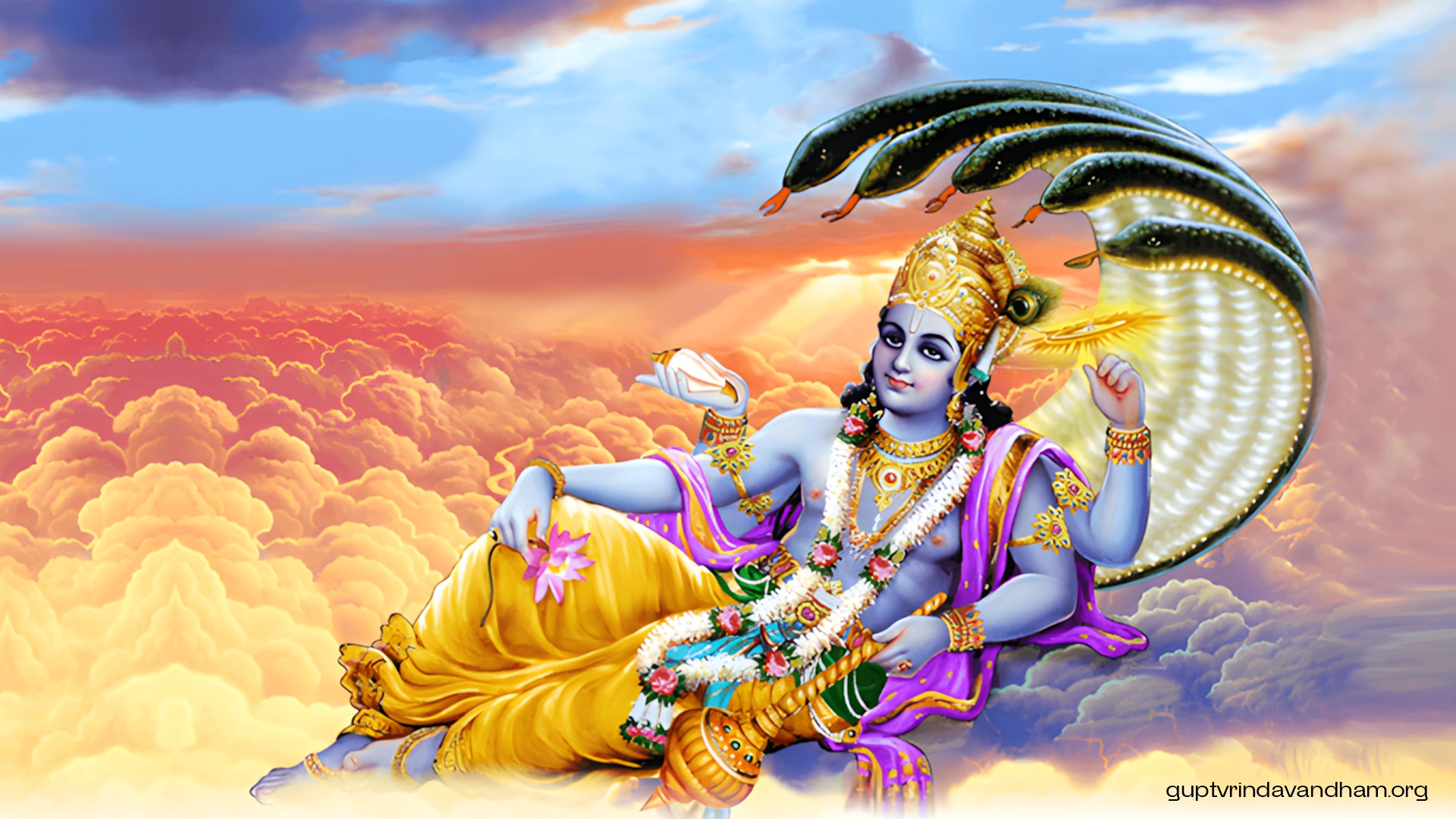
Mokshada Ekadashi is traditionally observed with discipline, sincerity, and devotion. Devotees usually practice hours of chanting, Harinam Sankirtan, Scriptural reading, and temple sevas.
There are the following scripturally approved ways to observe the fast of Mokshada Ekadashi. Follow the rituals as it is and get the divine presence of Lord Krishna in your life.
1) Dashmi preparations: One day before the Ekadashi, it is advised to consume only sattvic food. It helps a person to observe the next day fasting easily.
Avoid garlic, onion, and other tamasic food items. These are not suitable for focusing on the Hare Krishna Mahamantra chanting.
2) On Ekadashi: Wake up early in the morning, during brahma mahurat(4-6 AM). Take a holy bath, worship the idol of Lord Krishna, and chant Hare Krishna Mahamantra throughout the day.
Observe any one of the fasts - Nirjala (without food or water), Palhar(with fruits, dry fruits, and milk), and a One-time sattvic meal.
Read the Bhagavad Gita, the divine teachings of Lord Krishna, and donate some help to the poor people.
Benefits of Mokshada Ekadashi
Mokshada Ekadashi is known as one of the most spiritually uplifting fasting days. Observing this sacred fast with sincerity brings both inner purification and divine blessings. Scriptures describe several powerful benefits of following this Ekadashi:
1. Cleanses Past Sins
The fast helps remove past negative actions and gives a fresh spiritual beginning. It purifies the consciousness and uplifts the mind.
2. Leads Toward Liberation (Moksha)
Fasting with devotion on this day helps a person progress on the path of freedom from the cycle of birth and death.
3. Brings Divine Grace
Worshipping Lord Krishna on Mokshada Ekadashi invites peace, prosperity, and spiritual strength into one’s life.
4. Benefits the Ancestors
The spiritual merit earned on this Ekadashi can uplift departed ancestors, helping them move toward higher realms—just as shown in the story of King Vaikhaanasa.
5. Cultivates Good Qualities
Observing the fast nurtures purity, patience, humility, and other noble virtues in a person.
6. Removes Sins of Past and Present
This Ekadashi has the power to destroy sins accumulated over many lifetimes as well as in the present life.
7. Invites Lord Krishna's Blessings
The sincere observance of the fast attracts divine protection, guidance, and mercy.
8. Brings Happiness, Prosperity, and Peace
Homes where this Ekadashi is observed experience positive energy, harmony, and well-being.
9. Equal to a Thousand Years of Penance
The spiritual merit of this single day is compared to performing intense austerities for thousands of years.
10. More Powerful Than Bathing in the Ganga After a Solar Eclipse
Its potency is said to surpass even rare sacred acts such as bathing in the Ganga after Surya Grahan.
11. Purifies the Mind and Heart
The fast cleanses thoughts, emotions, and intentions, helping one develop clarity and inner calm.
12. Prepares the Soul for Moksha
Mokshada Ekadashi strengthens spiritual focus and prepares the soul for liberation after death.
Mokshada Ekadashi in ISKCON Temples
All over the world, ISKCON temples celebrate this Mokshada Ekadashi with grand celebrations. It coincides with another grand festival, named Gita Jayanti. It is celebrated as the day when Lord Krishna first revealed the teachings of the Bhagavad Gita to Arjuna.
All the temples arrange massive Bhagavad Gita reading sessions, where the senior devotees translate the verses. Harinam Sankirtan is performed all day in the temple.
A huge amount of delicious prasadam is distributed among all the devotees and other temple visitors after the chanting and Bhagavat Gita sessions.
Gita Daan is the most important seva that is suggested to be performed on this day. Visit the temple, and participate in the spreading of Lore Krishna's divine teachings worldwide.

FAQs
Q.1 Why is Mokshada Ekadashi connected to the Bhagavad Gita?
Ans: Every year, Mokshada Ekadashi coincides with the festival of Gita Jayanti. This is the reason why reading Bhagavat Gita on this Ekadashi is considered very auspicious.
Q.2 What is the primary significance of Mokshada Ekadashi?
Ans: The primary significance of Mokshada Ekadashi is providing liberation to the souls who sincerely observe this day.
Q.3 Can observing Mokshada Ekadashi benefit my ancestors?
Ans: Yes, you can definitely observe Mokshada Ekadashi to liberate the soul of your ancestors.
Q.4 What are the basic fasting rules for Mokshada Ekadashi?
Ans: 1) Avoid onion, garlic, and too much spices.
2) Chanting Hare Krishna Mahamatra throughout the day.
3) Reading Bhagavad Gita, Engaging in Harinam Sankirtan
4) Break the fast on the provided parana time only.
Conclusion
Mokshada Ekadashi is one of the most intense observances that is performed to please Lord Krishna every year.
Visit Gupt Vrindavan Dham on this Mokshada Ekadashi, take the blessings of Lord Krisha, Lord Balaram, donate for Gita Daan, Anna Daan, Gau seva, and receive the blissful prasadam with charnamrita.
Related Links: Ekadashi Fasting Rules | Ekadashi Fasting Recipes |