
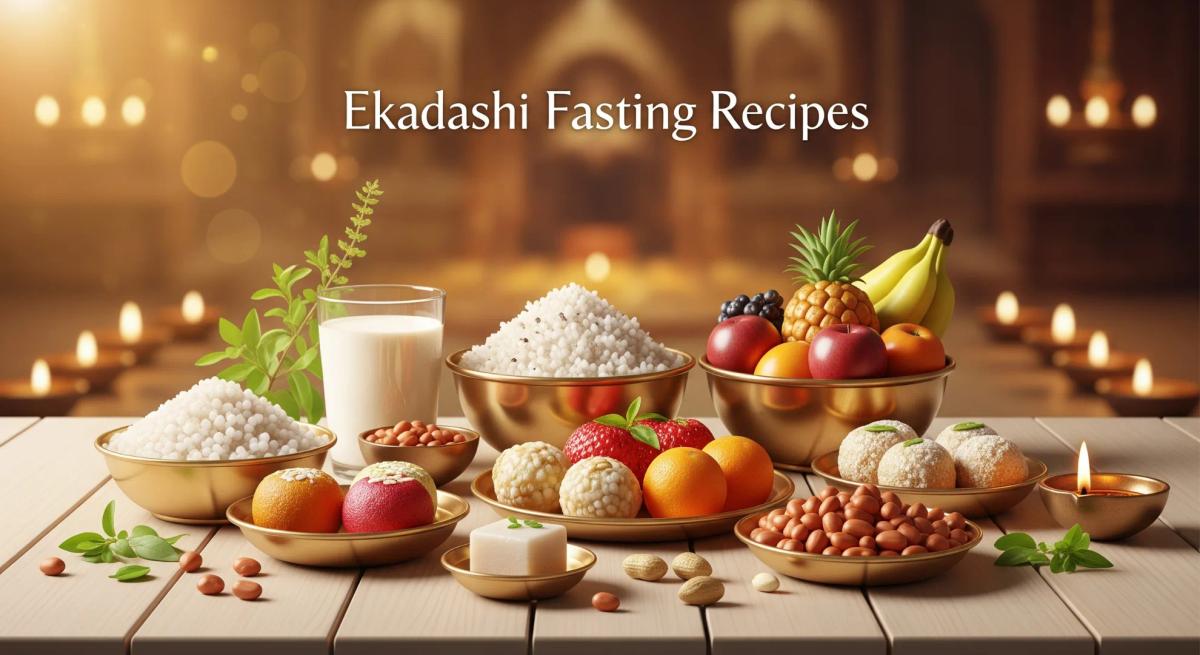
Ekadashi is the day to restrict grains, pulses, lentils, and their products for the purification of the body. In the Hindu calendar, it occurs twice or thrice every month. Devotees observe fasting on this day and dedicate the worship to Lord Vishnu.
Fasting is considered the most auspicious service towards the Supreme Lord on the days of Ekadashi. Consuming no food on fasting elevates the Krishna Consciousness more than fasting on sattvic foods. However, eating only sattvic food is still a service towards Lord Krishna.
These dishes are often prepared in the Hare Krishna Temples for those who fast on sattvic food.
Here, in this blog, we'll learn the 5 most common recipes that are preferred on the occasion of Ekadashi:
Collection of 5 Ekadashi Fasting Recipes
1. Sabudana Recipes
Sabudana is one of the ingredients that is used in all types of fasting foods, except the fast of Nirjala Ekadashi. It is also known for sago or tapioca pearls. It has nutrients like Carbohydrate, Protein, Fat, Fibre, and Minerals, which is why it fulfills the hunger of grains during fastings. It provides high energy and is easy to digest on an empty stomach.
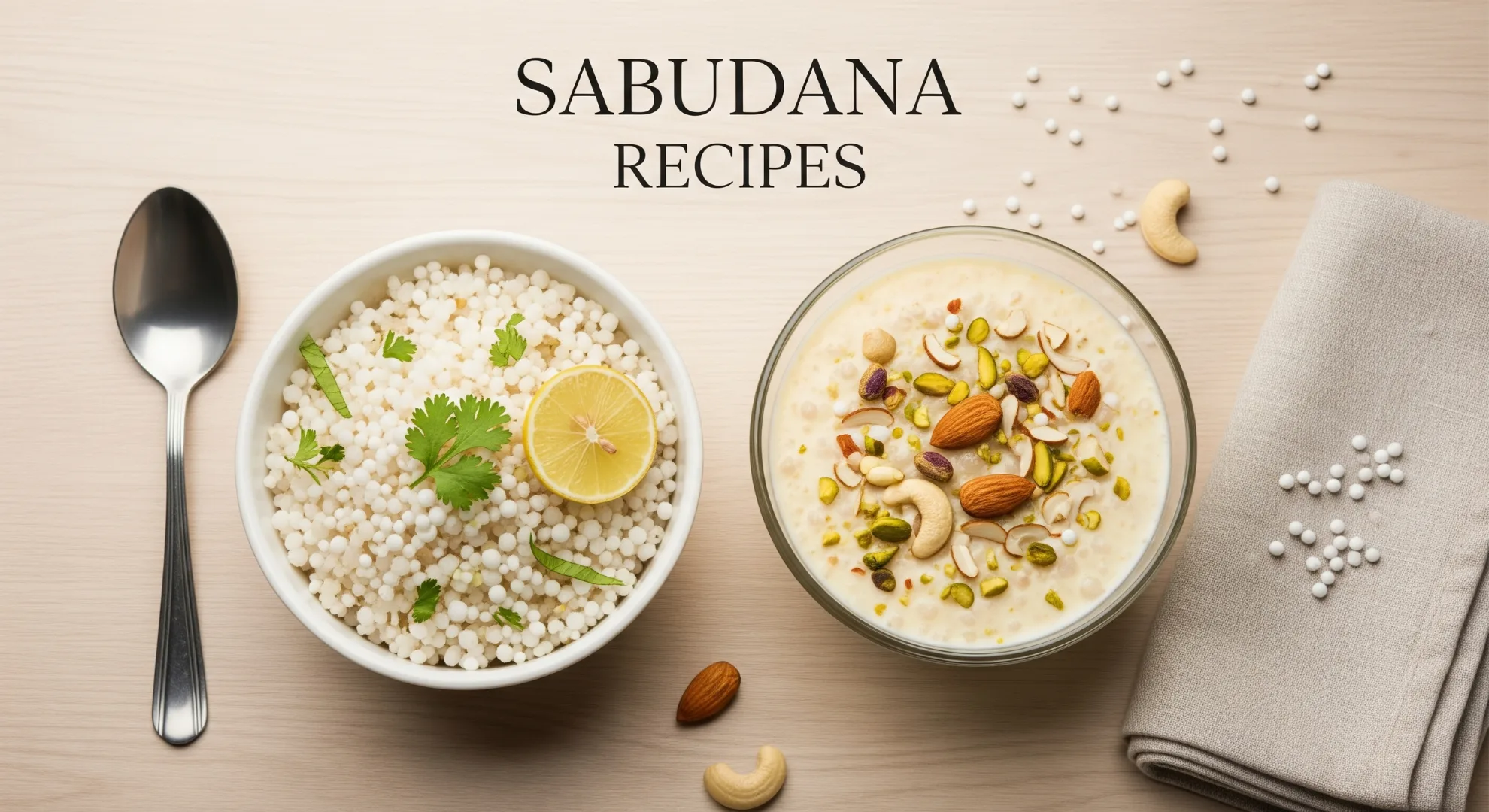
i) Sabudana Khichdi:
Here are the ingredients and the step-by-step recipe of Sabudana Khichdi:
Ingredients: (for 2 people)
1) One cup of soaked Sabudana(soak it overnight)
2) Two medium-sized boiled potatoes
3) Roasted peanuts, usually 2-3 tablespoons, are enough
4) green chilli, cumin seeds, senda namak(rock salt)
5) Ghee(use cow's ghee), fresh coriander leaves
How to make it?
1) On a heated pan, put ghee and then roast the cumin seeds.
2) Add the chopped green chilli and saute a little.
3) Cut the boiled potatoes into small pieces and add them to the pan.
4) Now, add the soaked and washed sabudana, roasted peanuts, and the sedha namak.
5) When the other ingredients mix perfectly with the sabudana, add the chopped coriander leaves on top.
Note: Soaked the sabudana overnight to prevent stomach bloating or any digestive discomfort.
Why prefer this dish:-
Sabudana Khichdi is a light dish to consume on an empty stomach. It provides complete energy for the day, as equal as a one-time meal provides. Also, the use of cow's ghee will fuel you with energy, save you from fatigue or tiredness.
ii) Sabudana Kheer:
Here are the ingredients and the step-by-step recipe of Sabudana Kheer:
Ingredients: (for 2 people)
1) one-fourth cup of soaked sabudana.
2) 0.5 litre of fresh milk(with full cream).
3) Sugar powder/Jaggery powder.
4) chopped dry fruits, almonds, cashews, and makhane.
How to make it?
1) Boil the whole milk in a container over medium heat for 6 to 7 minutes.
Note: Make sure to mix the cream within the milk and prevent it from sticking to the side and bottom of the container.
2) Turn the heat to low, add the washed sabudana, and continuously mix it with the milk with a big spoon. Stir the milk every 3 minutes and do it for 20 minutes.
3) Now, add the sugar powder and cook it for another 5 minutes.
4) Finally, add the crushed dry fruits to the kheer and stir it for 2-3 minutes.
Note: For jaggery powder, once the kheer is prepared, let it cool down. After 5 minutes of cooling down, add the jaggery powder.
Make sure not to add the powder while making the kheer or when the kheer is still hot.
It's because the jaggery powder contains acid, which can react with the hot milk, making the milk curdly.
Why prefer this dish:-
Kheer is usually considered a heavy, sweet dish. Actually, sabudana kheer is a comforting sweet dish, especially on the days of fasting. It contains milk, sabudana, which are good for calcium nutrition and easy digestion.
Also, the dry fruits provide warmth to the digestive tract. This warmth eases the digestive cycle. It is a good choice for one-time fastings.
2. Kuttu Ki Puri:

Kuttu(buckwheat) is a traditionally used ingredient in making fasting food. It is rich in fibres, carbohydrates, and minerals. Also, it is naturally gluten-free, which is ideal for health.
Here are the ingredients and the step-by-step recipe of Sabudana Kheer:
Ingredients: (for 2 people)
1) One cup of Kuttu flour.
2) Boiled and mashed potatoes (about 2 medium-sized potatoes).
3) Chopped green chilli.
4) Ghee(cow's ghee), warm water and sendha namak.
How to make it?
1) Mix the flour, mashed potatoes, chilli, and sedha namak(rock salt) in a bowl.
2) Now, use the warm water to knead this mixture into a dough.
Note: The boiled potatoes are required to provide gluten to the flour. Actually, buckwheat flour is free of gluten, and without gluten, you can't make a dough for puris.
Why prefer this: These puris provide the same satisfaction as the regular grains. Also, the buckwheat is healthy and light to digest.
3. Vrat Aloo Tikki:
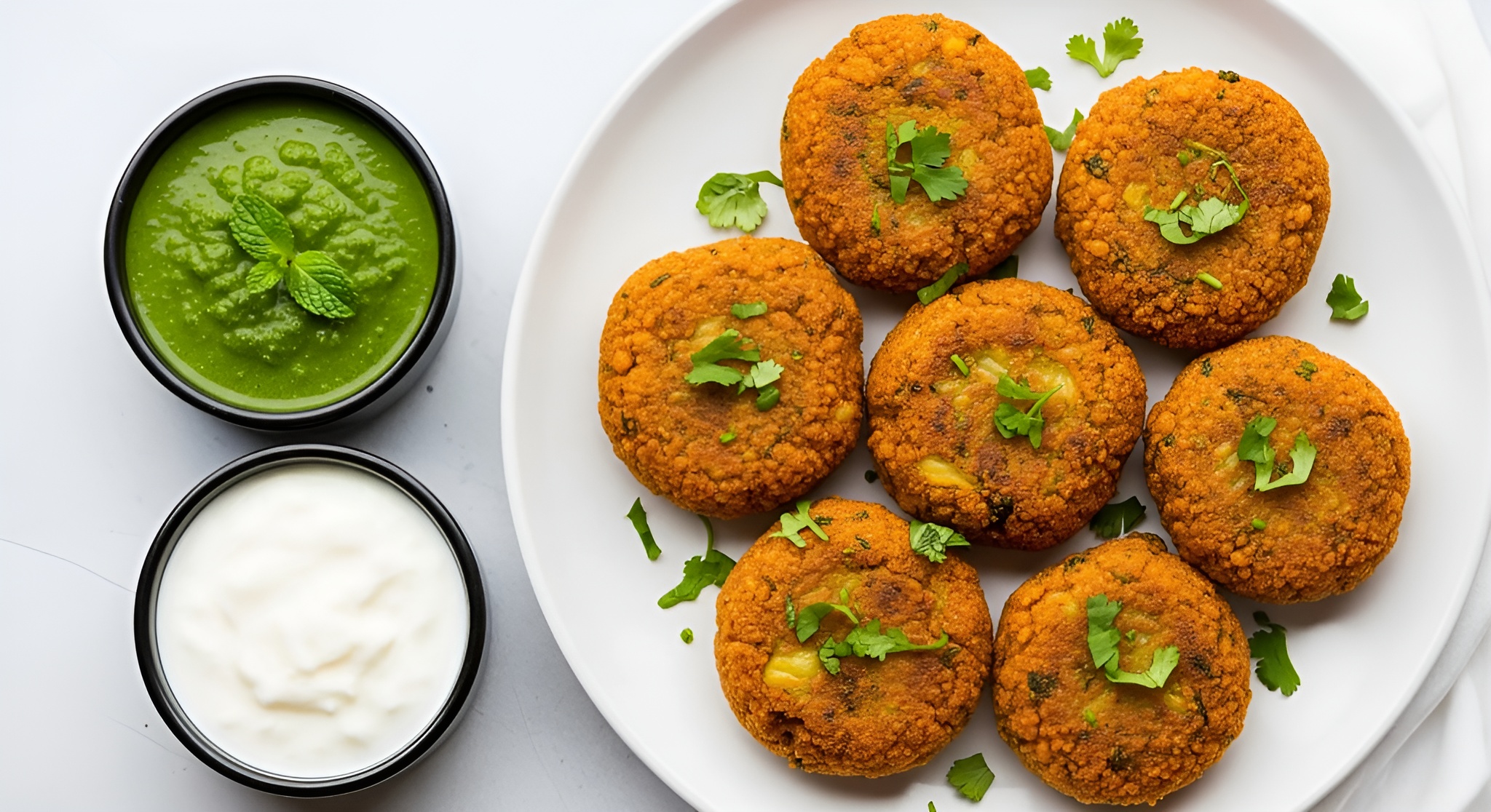
Ingredients: (for 2 people)
1) Three big boiled and mashed potatoes.
2) One or two tablespoons of buckwheat flour.
3) Roast cumin seed powder.
4) Sendha namak and Ghee (cow's ghee).
How to make it?
1) Mix all the ingredients and divide them into a few pieces.
2) On a heated pan, put some ghee and fry it until it gets a little golden-brown.
Why prefer this dish: This dish is fulfilling as a meal. It's a good option to have in one-time meal fastings.
4. Lauki Ka Halwa:
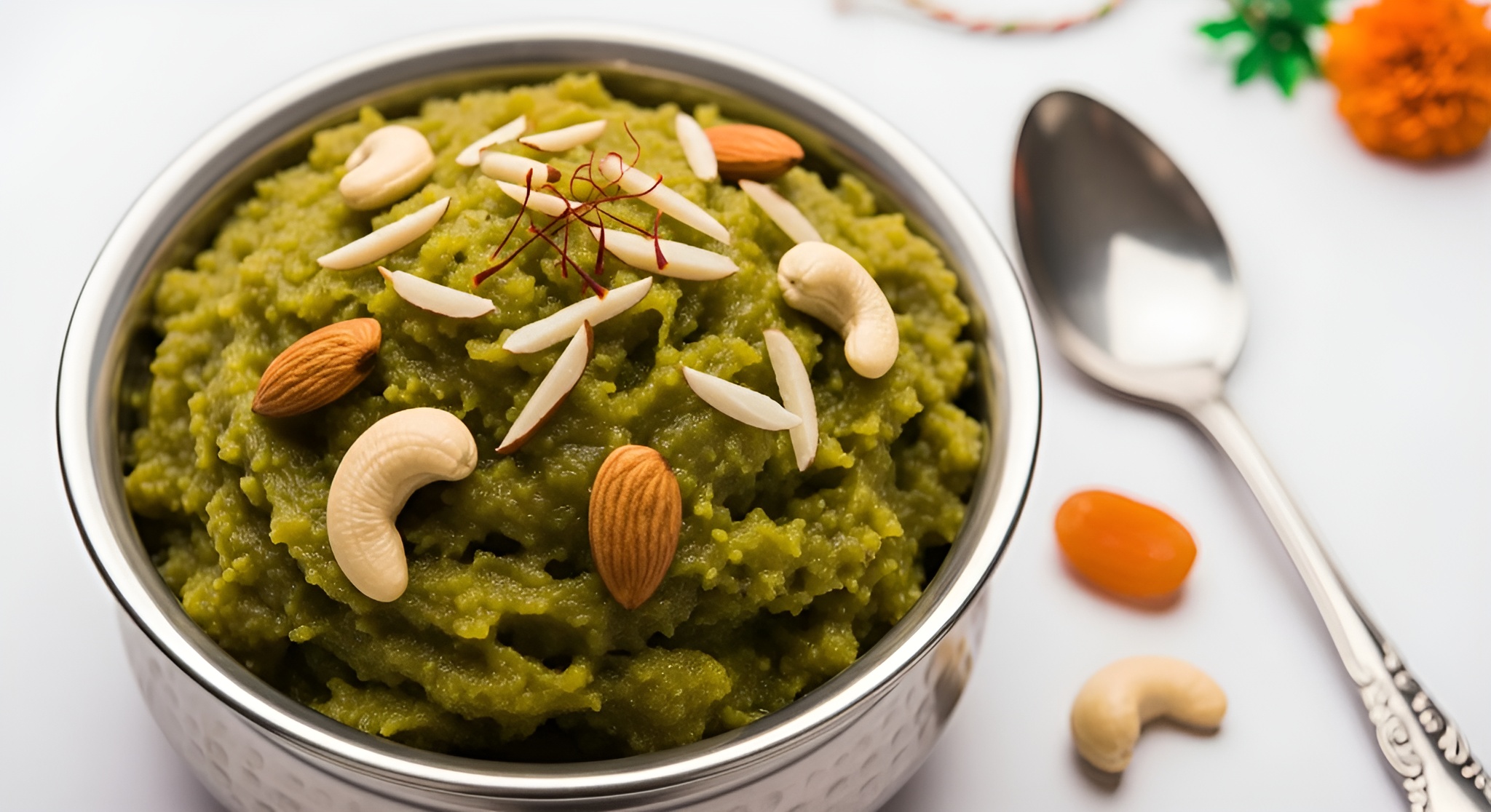
Ingredients: (for 2 people)
1) Two regular cups of grated lauki.
2) 0.5 litres of milk.
3) 3 to 4 tablespoons of Desi Ghee(use cow's ghee).
4) one-fourth cup of sugar powder or jaggery powder.
5) Crushed almonds, raisins, and cashews.
How to make it?
1) On a heated pan, put the ghee and saute the grated lauki.
2) Add milk and cook it on a low flame until the lauki completely absorbs the milk.
3) Add sugar powder and cook until it thickens.
4) Now, top the dish with crushed dry fruits and nuts.
Why prefer this dish: This halwa is nutritious, hydrating, and makes you feel full like a meal.
5. Vrat Aloo Tamatar Sabzi:
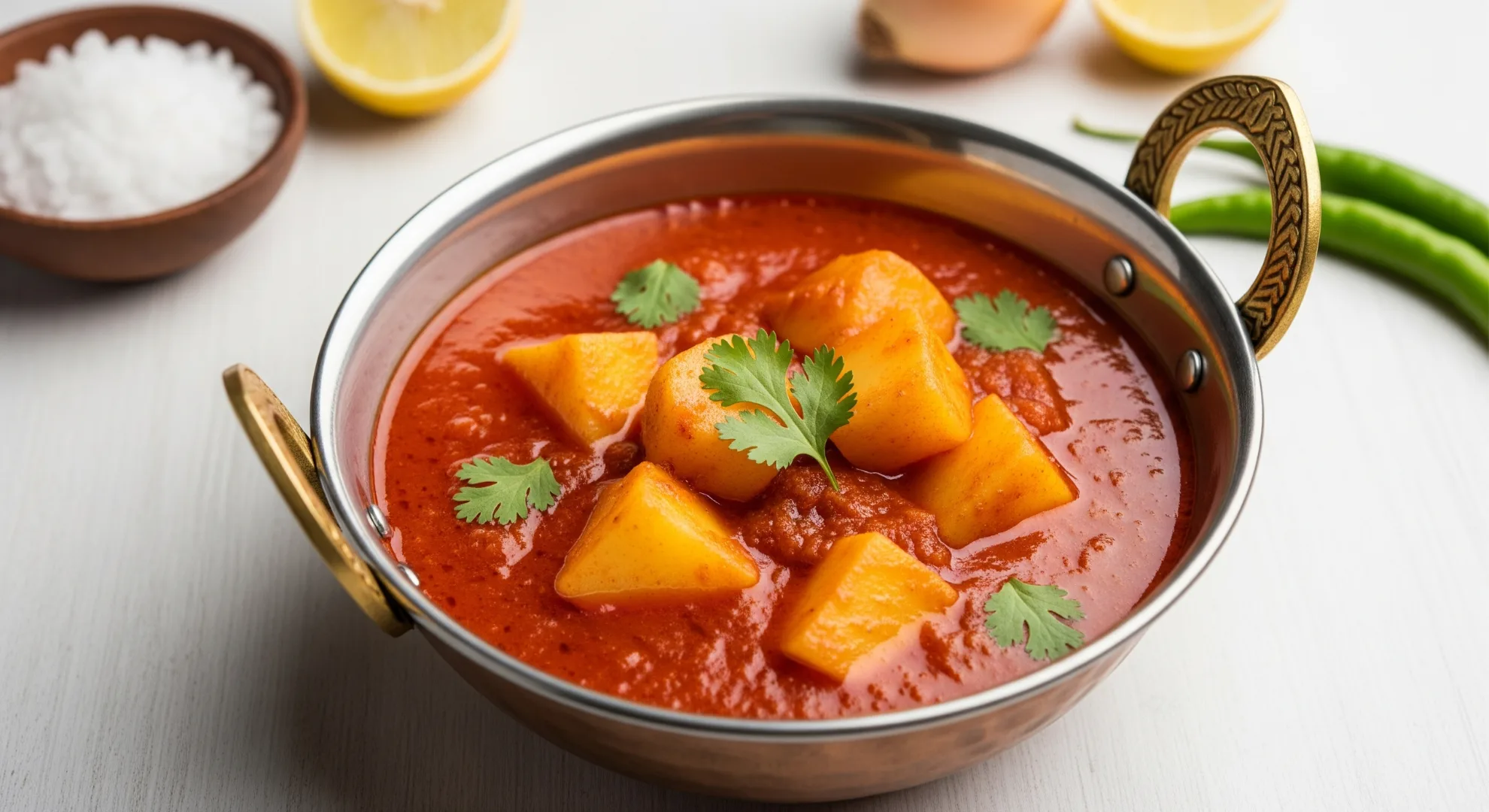
Ingredients: (for 2 people)
1) Medium-sized boiled potatoes (about 3-4)
2) Ripe Tomatoes(3 to 4 medium size)
3) cumin seeds, desi ghee(cow's ghee), sedha namak, fresh coriander leaves, and green chilli.
How to make it?
1) On a heated pan, put 2-3 tablespoons of ghee, add the cumin seeds and green chillies.
2) Add the tomatoes and cook until they change into a paste, on a slow flame.
3) Now, cut the potatoes and add them to the pan.
4) Finally, put the water and once the ingredients mix properly with the water, add the coriander leaves on top.
Why prefer this: This dish is free of onion and garlic, which enhances the sattvic mood. It is cooked inside the ghee, and the use of spices is minimal. Eating such comforting food during fasting is better for overall mood and digestion.
FAQs:
Can I eat curd on Ekadashi?
Yes, curd is a dairy product. Dairy products are allowed in every fast except the Nirjala Fasting. Also, it is used in the abhishek of Lord Krishna on many special occasions.
Are peanuts allowed during Ekadashi?
Yes, peanuts are allowed to be consumed during Ekadashi fastings. It is usually used in the sabudana khichdi.
Can we eat poha during the Ekadashi fast?
No, poha is a flattened rice, which is a grain. Grains are strictly not allowed in fasting. According to the scriptural texts, grains develop demonic/ negative energy if consumed on Ekadahis.
Can we wash hair on Ekadashi fast?
Yes, washing hair isn't any kind of restriction on the Ekadashi fastings. It is a part of personal hygiene. Although some people observe fasting with strict rules of no eating, drinking, or washing hair.
It is prohibited to do nirjala fasting as you can consume a drop of water unintentionally. It can break your fast.
What to avoid on Ekadashi?
Ekadashi fasting is observed with various restrictions. It includes food restrictions like grains, pulses, legumes, garlic/onion, outside food, etc.
These food types especially contain negative energy on Ekadashi. If one consumes these foods or their products, it will enhance tamsic energy in their mind.
Can we drink tea during the Ekadashi fast?
No, drinking tea is not allowed on the fasting days of Ekadashi. Not only tea, but also coffee is not allowed during fasting. It's because the tea is made up of tea leaves, which are considered tamasic in both scripture and Ayurveda.
Conclusion:
The above meals are easy to prepare, comforting, nourishing, and perfect for the sattvic mood. Whether you are observing the fast to please Lord Krishna or just for personal benefits, these meals are helpful in both conditions.
On such important festivals, like Ekadashi, choosing the right food should be the priority. It's because the food will provide energy for all the activities. If you consume food with a lot of spices or oil, it will make you feel lazy all day.
See Also: ekadashi 2026 list | Ekadashi Fasting