
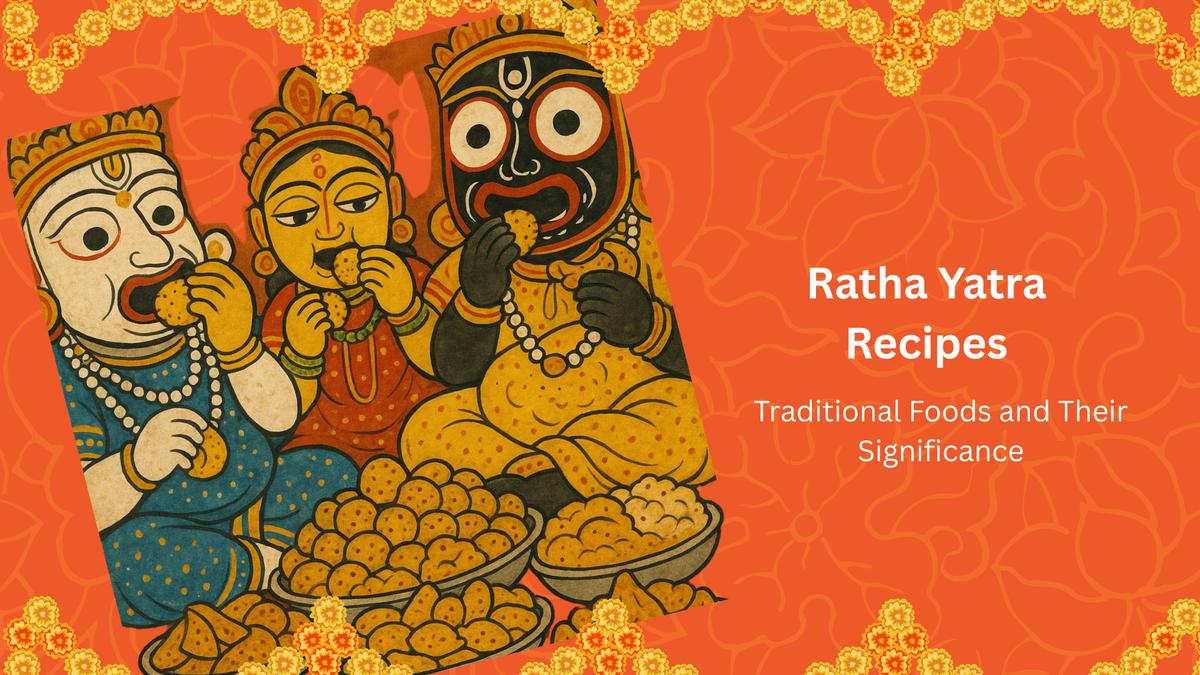
The Rath Yatra festival is an ancient traditional Hindu festival in Puri, Odisha. Nowadays, it is globally celebrated among people, including the USA, Australia, Nepal, and others.
Along with the beautiful glance of Lord Jagannath, Lord Balaram, and Devi Subhadra, there’s another reason behind the popularity of this festival: Jagannath Mahaprasadam. This prasadam is prepared in the traditional Kitchen of Jagannath temple, known as Rosaghara. About 500 people cook inside the kitchen to prepare 56 types of food items. It includes:
- Rice dishes
- Dal and curries
- Sweet dishes
- Milk dishes
Delicious offerings to Lord Jagannath
Jagannath Kitchen is one of the most fascinating and ancient places for preparing delicious meals for the Lord of the Universe, Lord Jagannath. The Rath Yatra is of 7-day festival, where Devotees from all over the world attend the festival of Rath Yatra to support the three chariots of Lord Jagannath, Lord Baladeva, and Goddess Subhadra. Let’s explore the dishes prepared these days:
Day 1: On the first day of Rath Yatra, the deities are taken out of the temple on their chariots. There is a special and the first offering that has been offered to the Lord, Vallabha Bhog. It is a preparation of fresh fruits, rice, curd, and sweet dishes, and is provided inside the temple. Another food preparation is offered when the deities are on the chariots, and they are pulled towards the Gudicha Temple. It is a simple offering of dry items, fruits, and some drinks.

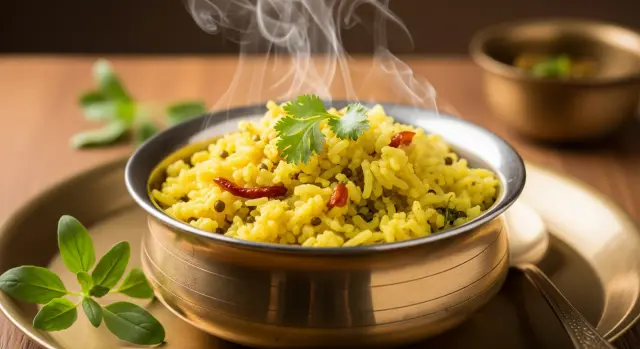
Day 2 to 6: Once the deities are ritually brought and seated inside the Gundicha Temple, the very first offering that is offered to Lord Jagannath is Gundicha Bhoga. The offering includes Poda Pitha(rice, jaggery, and coconut), Khechudi(rice, moong dal with rice and spices), Dalma(moong dal, cooked with pumpkin, raw bananas, papaya, and eggplant), Enduri Pitha(steamed rice with tulsi leaves), fried items, fruits, and Rasabali(cheena pattis soaked in sweet milk).
- Poda Pitha: It is a sweet dish that is made of fermented rice. To make this traditional dish, the ingredients are:
rice urad dal jaggery grated coconut ginger cardamom pods and black peppercorns bay leaves ghee (or oil - although oil will not taste the same) salt baking powder cashews and raisins banana or sal leaves
2 Khechudi: It is a delicious dish prepared with grains. The ingredients are:
Rice Yellow Moong Dal Ghee Bay leaves Cumin seeds Black peppercorns Grated ginger Turmeric powder Salt Water
- Dalma: To prepare this traditional dish, the required ingredients are:
Yellow Moong Dal Raw banana (plantain) Pumpkin Eggplant (brinjal) Papaya (green/raw) Snake gourd Drumsticks Beans Arbi Grated coconut Ghee
- Enduri Pitha: It is a simple traditional preparation of rice; the ingredients are:
Rice Urad dal coconut Jaggery
- Rasabali: It is a sweet dish that has been prepared from ancient times. The ingredients required:
Chhena(Homemade paneer) Condensed Milk

The Origin of Jagannath Mahaprasadam
The origin of this Mahaprasadam is found in the ancient text, Skanda Purana. It has been a traditional ritual since King Indradyumna started it. This ritual has been a spiritual guide in Jagannath Puri, it brings a taste of devotion to the lives of people who taste the Mahaprasadam. In response to this, the Lord has mercifully accepted the offerings from ancient times till now.
Anant Bazaar means the ‘Market of Bliss’, a large courtyard area where people are allowed to have the Mahaprasadam of Lord Jagannath. Unlike the temple rules, the people are not restricted by caste, anyone can buy the prasadam at a very minimal price.
In the Jagannath temple, there is a food preparation for about 50,000 people daily. Eating prasadam is an act of providing mercy to the senses of our body. Chaitanya Mahaprabhu has visited the temple and glorified the Mahaprasadam. Also, he encouraged his followers to have the mercy of Lord Jagannath.
Traditional Art of Preparing Mahaprasadam
The preparation of Mahaprasadam is no ordinary cooking activity, it is a spiritual act that is done by following strict cleanliness, a pure and devotional environment, and chanting the holy names of Lord Jagannath. It is because the food preparation of mahaprasadam includes the devotional mood, singing, and the remembrance of the Lord, to make it pure and delicious.

There are no modern but a lot of traditionally made cooking essentials, even the utensils are made of clay. The food is prepared on these clay utensils with a firewood underneath them. Once the food is offered to the Lord, it is brought to the Anant Bazar, where all the devotees wait for the Mahaprasadam.
With such spiritual service, the simple ingredients transform into a devotional bliss. It acts as a bridge between bhakti and the material world.
Final Word
Rath Yatra is a festival of union, spiritual practices and and an act of serving the Lord. The preparation is an expression of love towards the Lord. Every single grain of Mahaprasadam is the mercy of the Lord. From the king to the ordinary people, everyone holds the position to receive the blessings of the Lord.
Attend the festival of Ratha Yatra at every scale, even if the festival is organized at home, at ISCKON temples, or in Jagannath Puri itself. Lord doesn’t shower mercy upon the number of people, but for the devotion they have inside their hearts.

Related Article: Jagannath Ratha Yatra Celebration, How chariots are built, Ratha Yatra Date, Rituals