
 Donate Now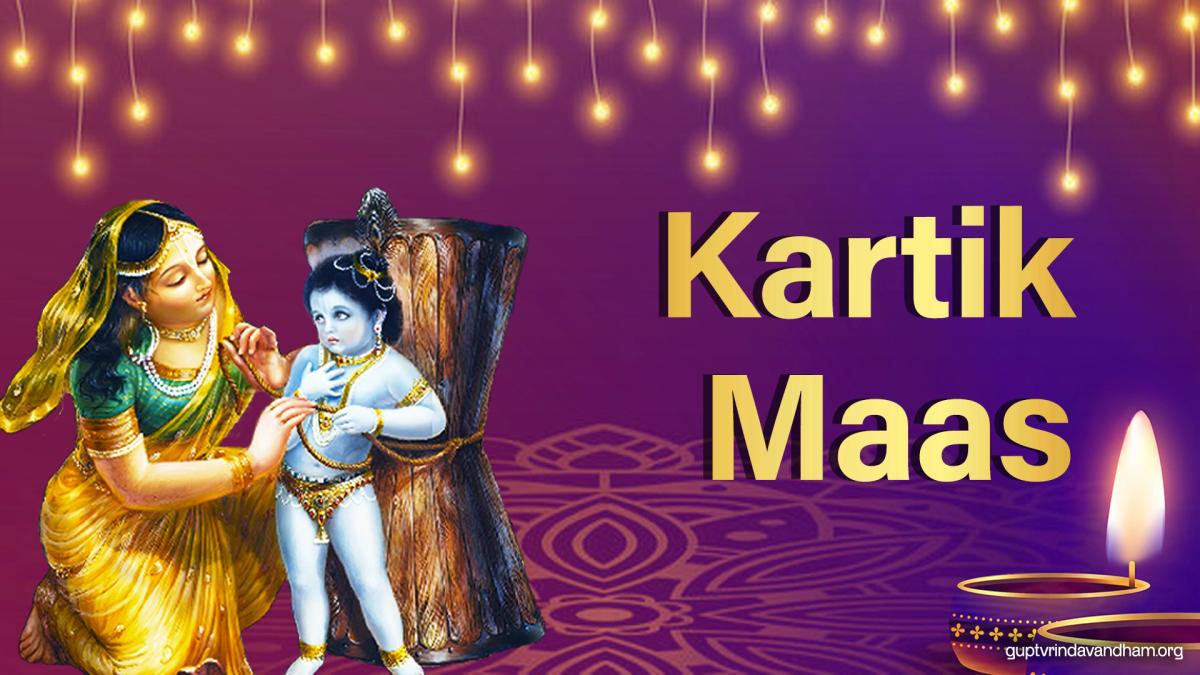
In the sacred rhythm of the Hindu calendar, Kartik Maas stands as the most revered and spiritually charged month of the year.
Often called Damodar Maas, it is celebrated as the favourite month of Srimati Radha Rani and Lord Krishna, a time when the universe aligns to magnify the benefits of devotional service a thousandfold.
It is a period of profound purification, self-discipline, and divine love, when the veil between the material and spiritual worlds feels exceptionally thin.
This guide is offered as a devotional companion for Kartik Maas 2026. It seeks to illuminate the profound importance, core rituals, and joyous festivals of this sacred time, offering a clear path for devotees and spiritual seekers to deepen their connection with the divine.
What is it that makes this month so uniquely potent and beloved? Let us explore the divine principles that form its very heart.
Kartik Maas 2026 Start & End Date
This sacred Kartik month will begin on October 27, 2026 (Tuesday) and Kartik Maas will end on November 24, 2026 (Tuesday), as per the Hindu lunar calendar.
Why Kartik Maas is the Pinnacle of Devotion
The deep reverence for Kartik Maas is not born of mere tradition but is rooted in sacred events and divine principles that resonate through eternity.
To understand this context is to transform our rituals from simple actions into profound expressions of love and devotion, connecting us to the very source of spiritual grace.
Vishnu's Awakening
Kartik Maas marks the triumphant end of Chaturmaas, the four months when Lord Vishnu rests in His cosmic sleep, or yoganidra.
During this month, Lord Vishnu awakens, and His return to a wakeful state symbolises a period of renewed divine grace and spiritual enlightenment for all of creation.
Devotees believe that His blessings flow more freely, making any devotional act performed during this time exceptionally potent.
The Damodar Lila: Bound by Love
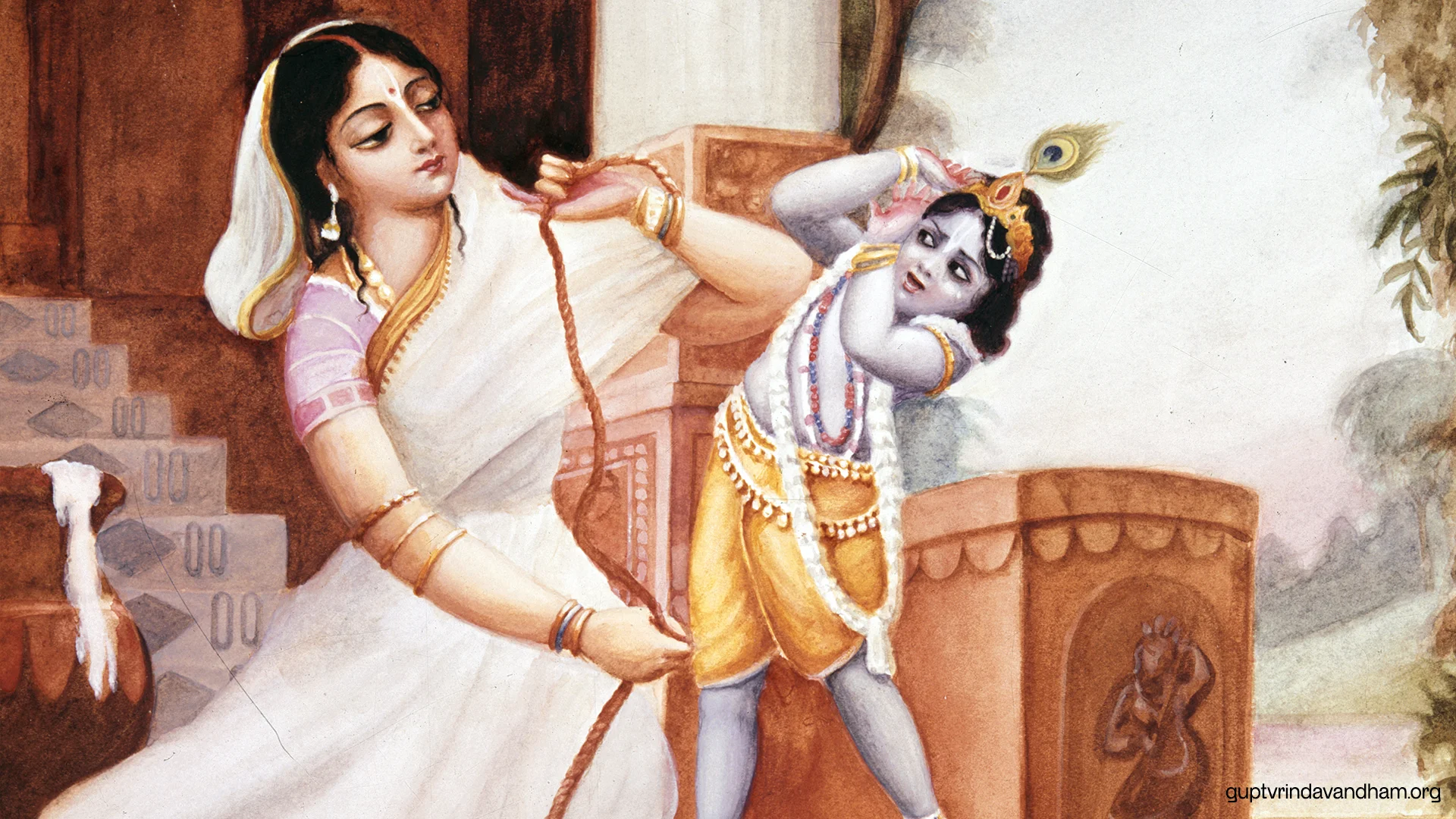
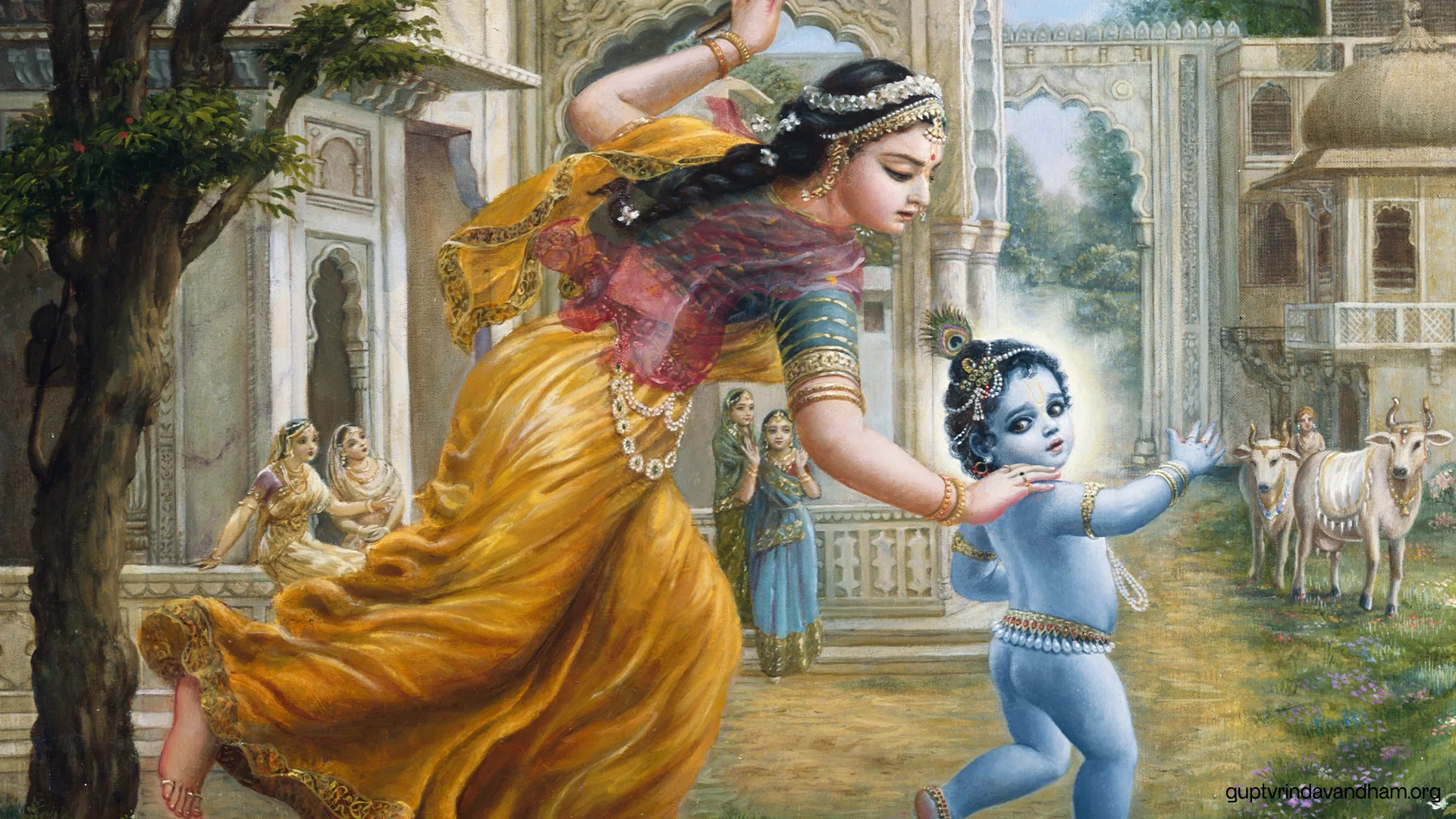 The month's cherished name, "Damodar Maas," comes from the Damodar Lila, a beautiful pastime of Lord Krishna. In this
 leela, a young Krishna, in His mischievous play, was bound around the waist with a rope by His loving mother, Yashoda.
This divine event is not a display of parental discipline but a profound demonstration of a divine principle: the Supreme Lord, who is unbound and unconquerable, willingly allows Himself to be bound by the pure, selfless love of His devotee. This story lies at the heart of Kartik, reminding us that the most powerful force in the universe is devotion.
The Accessibility of Grace
The beauty of Kartik lies in its accessibility. Devotion is not measured by grand gestures but by the sincerity of the heart.
The Padma Purana beautifully captures this spirit with the assurance that "Lord Krishna is pleased by the offering of a single lamp during the month of Karthika."
This simple yet powerful act encapsulates the essence of the month—that even the smallest offering, made with pure love, can attract immeasurable divine mercy.
This profound spiritual significance is expressed through a set of powerful devotional practices designed to purify the mind, body, and soul, drawing the devotee ever closer to the Lord.
Core Practices and Seva in Kartik Maas
Kartik Maas provides a structured framework of devotional practices, or sadhana, that act as vessels for our love and reverence.
These time-honoured rituals are not just traditions; they are powerful spiritual tools designed to cultivate discipline, express love for the divine, and invite immense spiritual benefit into our lives.
The Five Pillars of Devotional Practice
1. Kartik Snan (The Sacred Pre-Dawn Bath) This practice involves bathing before sunrise, ideally in a holy river like the Ganga, or at home with water sanctified through prayer.
The pre-dawn hour, known as Brahm Muhurat, is considered spiritually potent. This sacred bath is a ritual of purification, cleansing not just the physical body but also the subtle consciousness, preparing the devotee for a day of worship and communion with the divine.
2. Deep Daan (The Offering of Light) The offering of a ghee or sesame oil lamp (diya) is the most central practice of Kartik.
This simple act is rich with symbolism, representing the triumph of light over darkness, knowledge over ignorance, and the offering of one's own consciousness to the Lord.
Devotees light lamps and offer them daily, often placing them before a Tulsi plant, in a temple, or near a sacred river, spreading positivity and divine light.
3. Tulsi Puja (Worship of the Divine Consort) Goddess Tulsi, the divine consort of Lord Vishnu, is worshipped with immense reverence throughout Kartik Maas. She is exceedingly dear to the Lord, and it is believed that no worship of Vishnu is complete without her presence. Devotional practice includes offering her Tulsi Patra (leaves) daily, lighting a lamp near her, and reciting prayers in her honour. This daily reverence for Goddess Tulsi culminates in the joyous festival of Tulsi Vivah later in the month, where her ceremonial marriage to Lord Vishnu is celebrated.
4. Vrat and Mindful Eating (Fasting and Purity) Observing fasts (vrat) is a key discipline during Kartik, especially on the holy days of Ekadashi. Beyond complete fasts, the month encourages a broader principle of mindful eating.
Many devotees choose to eat only one meal per day or refrain from consuming non-vegetarian food and alcohol. This practice fosters physical and mental purity, conserves spiritual energy, and enhances self-control.
5. Shastra Sevan (Hearing and Reciting Scripture) The spiritual merit of reading and listening to sacred texts is greatly amplified during Kartik.
Devotees are encouraged to immerse themselves in scriptures that narrate the glories of the Lord. Reading from the Srimad Bhagavatam, Bhagavad Gita, and Ramayana, or chanting hymns like the Vishnu Sahasranama, fills the mind with divine wisdom and purifies the heart.
The Spirit of Seva and Daan (Service and Charity)
True devotion extends beyond personal practice to encompass selfless service (seva) and charitable giving (daan). Devotional paths, particularly as emphasised by traditions like ISKCON, expand personal practice to include selfless service that recognises the divine presence in all beings.
Kartik Maas is an ideal time to serve the Lord by serving His creation.
Key forms of service include:
- Annadana: Sponsoring or distributing sanctified food (
prasadam) to those in need. - Gau Seva: Serving Mother Cow by sponsoring her feeding and care, an act very dear to Lord Krishna.
- Pushpalankara Seva: Offering beautiful, fresh flower garlands to decorate the Lord in His temple, an expression of love and beauty.
- Charity: Donating essentials such as food and clothes to the impoverished, performing our duty to support the community.
Observing Kartik with Reverence: A Guide to Dos and Don'ts
The sacredness of Kartik Maas calls for mindful action and conscious restraint. Following these simple guidelines helps to preserve the spiritual energy (shakti) accumulated through devotional practices and ensures that the devotee remains in a state of purity, receptive to divine grace.
Guidelines for a Blessed Kartik Maas
|
Recommended Practices (Dos) |
Actions to Avoid (Don'ts) |
|
1. Take a holy bath before sunrise to cleanse the body and soul. |
1. Avoid consuming non-vegetarian food, alcohol, and other intoxicants. |
|
2. Light ghee or oil lamps ( |
2. Refrain from engaging in negative deeds, gossip, or immoral activities. |
|
3. Recite sacred mantras and hymns, such as the Vishnu Sahasranama. |
3. Avoid wasting resources, especially food and water, and practice mindful living. |
|
4. Read or listen to sacred scriptures like the Bhagavad Gita and Srimad Bhagavatam. |
|
|
5. Observe fasts, especially on Ekadashi, to purify the body and mind. |
|
|
6. Perform acts of charity ( |
|
|
7. Offer daily prayers to Goddess Tulsi. |
|
Conclusion
Kartik Maas is a divine gift, a unique and powerful opportunity for spiritual rejuvenation, self-discipline, and the deepening of our faith in Lord Krishna and Lord Vishnu.
It is a month-long festival of the soul, where simple acts of devotion yield profound and lasting benefits, cleansing the heart and illuminating the mind with spiritual wisdom.
The true blessing of Kartik is not found merely in the rituals themselves, but in the spirit of love, service, and devotion that we cultivate through them.
As the final lamp is offered on Kartik Purnima, let us resolve to carry the inner peace and divine insight gained during this sacred month forward into our daily lives.
May the light we kindle in Kartik continue to burn brightly within our hearts, guiding our thoughts, words, and actions throughout the entire year.
Related Links: What to donate in Kartik Month