
Looking for the complete 5 days of Diwali 2026 calendar? The five principal celebrations are Dhanteras, Naraka Chaturdashi, Diwali, Govardhan Puja and Bhai Dooj. The festival begins with Dhanteras on 6 November, Choti Diwali falls on 7 November, and the main Diwali celebration is on Sunday, 8 November. As per the Vaishnava calendar, the observances extend to 11 November, while some calendars list them from 6 to 10 November.
Although commonly called a five-day festival, the celebrations do not always fall on five consecutive calendar dates. Here is their traditional order, the dates to remember and a brief explanation of each occasion.
5 Days of Diwali 2026: Complete Calendar
| Traditional sequence | Festival | Date | Day |
|---|---|---|---|
| Day 1 | Dhanteras / Dhantrayodashi | 6 November 2026 | Friday |
| Day 2 | Choti Diwali / Naraka Chaturdashi | 7–8 November 2026 | Saturday–Sunday |
| Day 3 | Diwali / Lakshmi Puja | 8 November 2026 | Sunday |
| Day 4 | Govardhan Puja / Annakut | 10 November 2026 | Tuesday |
| Day 5 | Bhai Dooj / Yama Dwitiya | 11 November 2026 | Wednesday |
The day numbers show the traditional festival sequence. Naraka Chaturdashi’s morning observance and Diwali’s evening worship share the same date in the 2026 New Delhi calendar.
Additional calendar note: Kali Chaudas falls on 7 November. Its observance is distinct from Naraka Chaturdashi; our Kali Chaudas guide explains the difference.
What Does Each Day of Diwali Represent?
Day 1: Dhanteras
Dhanteras begins the five principal Diwali observances. Associated with health, prosperity and auspicious beginnings, it brings families into the festive period through worship and preparations.
Dhanteras puja muhurat (Jaipur): 6:11 PM – 8:07 PM.
For the occasion’s worship schedule and arrangements, refer to our Dhanteras puja guide.
Day 2: Choti Diwali / Naraka Chaturdashi
Naraka Chaturdashi is associated with Lord Krishna’s victory over Narakasura. It forms part of the celebrations leading into the main Diwali worship, with early-morning traditions followed in many households.
In 2026, this observance falls on the morning of 8 November.
Choti Diwali is observed on the evening of 7 November, while the Naraka Chaturdashi morning snan falls on 8 November.
Day 3: Main Diwali
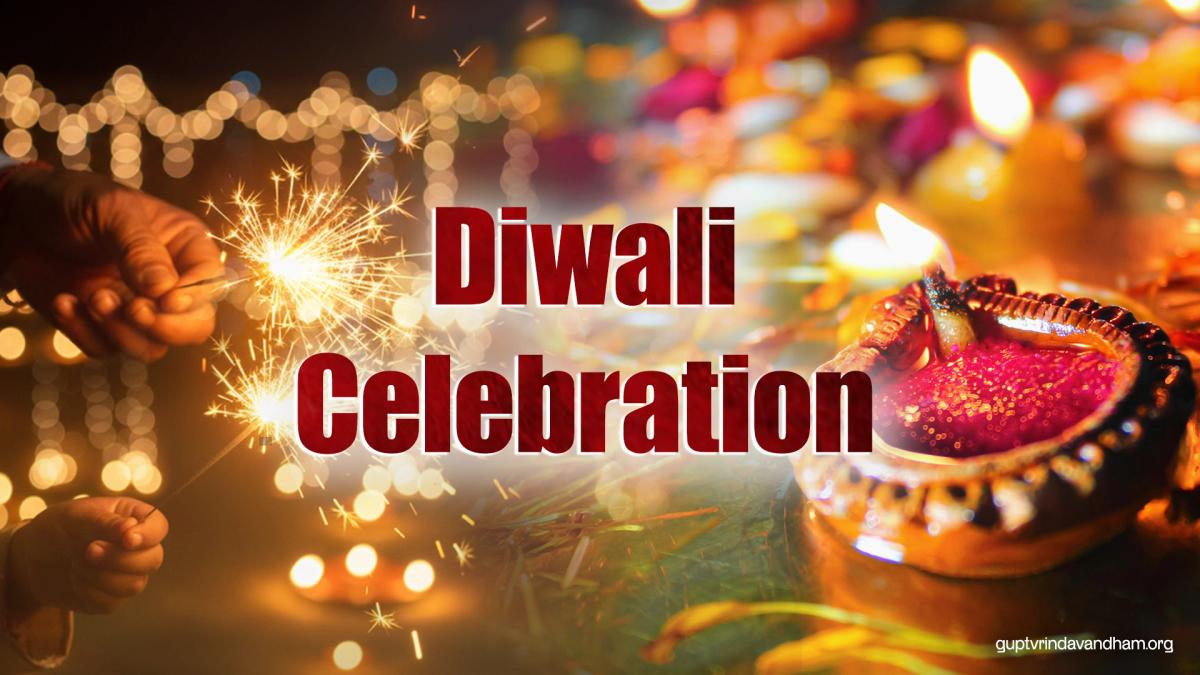
Diwali is the central celebration in the five-part sequence. Lamps illuminate homes, families gather, and evening worship marks the main festive occasion.
In 2026, Diwali falls on 8 November.
Lakshmi Puja muhurat (Jaipur): 6:03 PM – 7:59 PM.
Those arranging evening worship can check the city-wise Lakshmi Puja muhurat.
Day 4: Govardhan Puja
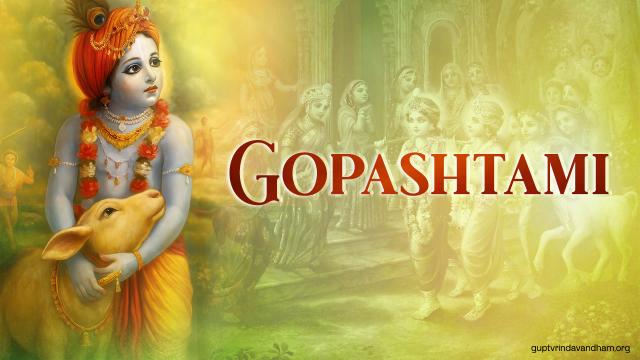
Govardhan Puja turns attention towards Lord Krishna, Sri Giriraj Govardhan and the Lord’s protection of the residents of Vrindavan. The occasion is also known for Annakut offerings.
The ISKCON Bangalore Vaishnava calendar lists Govardhan Puja on 10 November 2026. Explore our dedicated page for Govardhan Puja and Annakut celebrations.
Day 5: Bhai Dooj
Bhai Dooj concludes the five principal observances. The occasion centres on affection between brothers and sisters, expressed through family meetings, tilak and prayers for well-being.
In 2026, Bhai Dooj falls on 11 November.
Significance of Diwali
Diwali symbolises the victory of light over darkness, knowledge over ignorance and goodness over evil. Its lamps express hope and remind devotees to bring honesty, compassion and spiritual awareness into everyday life.
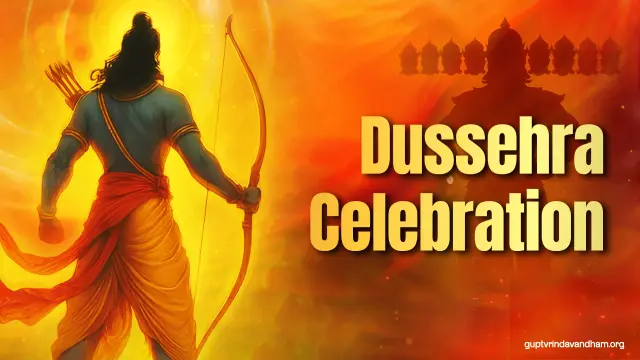
In the tradition associated with Lord Rama, Diwali celebrates His return to Ayodhya with Mother Sita and Lakshmana after exile and victory over Ravana. The lamps recall the joyful welcome offered by the people of Ayodhya.
The festival is also closely associated with Goddess Lakshmi. Worship expresses gratitude and prayers for prosperity, while offering an opportunity to reflect on using wealth responsibly and in service to others.
For devotees, Diwali is an occasion to renew their attention to the Lord through prayer, chanting and offerings. Its meaning continues beyond decorations through devotion, generosity and care for family and community.
Why Are the Five Days Not on Consecutive Dates?
Hindu festivals follow lunar tithis, which can begin and end at different times within a calendar day. The relevant period for an observance—such as morning or evening—also helps determine its date.
Consequently, two celebrations can share one Gregorian date, while another occurs after a gap. The five traditional observances remain the same even when their calendar spacing changes.
For the 2026 schedule, remember:
- 6 November: The sequence begins with Dhanteras.
- 7 November: Choti Diwali (evening).
- 8 November: Naraka Chaturdashi and the main Diwali celebration.
- 10 November: Govardhan Puja.
- 11 November: The sequence concludes with Bhai Dooj.
Frequently Asked Questions
Conclusion
The five days of Diwali bring together distinct occasions within one festive period. Use the combined calendar to understand their order, then consult the individual festival guides for worship timings and detailed preparations. Follow your family or temple’s tradition as you welcome each celebration with devotion.