
 Donate Now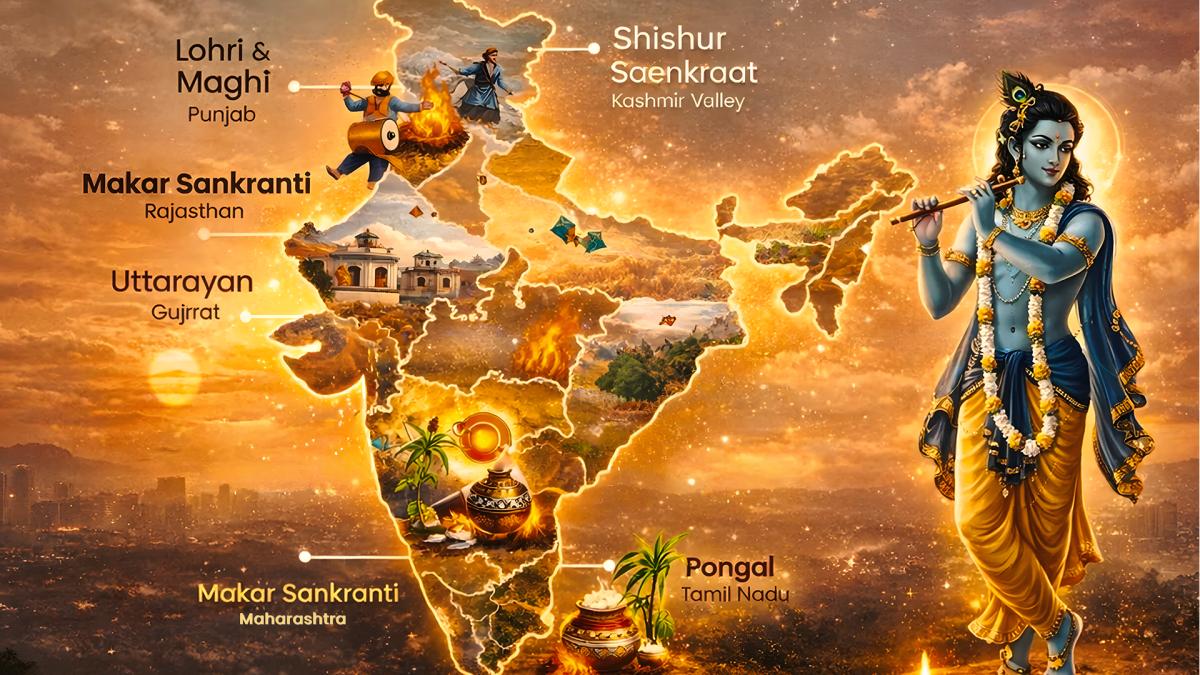
Makar Sankranti is one of the most widely celebrated festivals in India. It marks the auspicious transition of the Sun into the zodiac sign of Capricorn (Makara), signifying the beginning of a new solar phase.
This sacred festival symbolizes gratitude for a bountiful harvest, nature's abundance, and the blessings received from the Divine.
In this blog, we will explore the significance of Makar Sankranti, why it is celebrated across India under different names, and the unique traditions associated with this auspicious occasion.
Makar Sankranti Names in Different States of India
Makar Sankranti is known by different regional names across India. Each celebration reflects the unique culture, history, and traditions of the respective state.
North and Central India
Maghi: This festival is celebrated as Maghi in Punjab, Haryana, and Rajasthan. People often gather around large bonfires, sing folk songs, and celebrate together.
Lohri: Lohri is celebrated in Punjab and Haryana at the end of the winter season. People sing traditional songs and exchange sesame seeds, jaggery, and peanuts as a gesture of gratitude and goodwill.
Khichdi Parv: In Uttar Pradesh and Bihar, Makar Sankranti is celebrated as Khichdi Parv. People observe the day by donating food, clothes, and grains to those in need.
Western India
Uttarayan: Makar Sankranti is celebrated as Uttarayan in Gujarat and Rajasthan. People prepare traditional dishes and sweets made from sesame seeds and jaggery.
Makar Sankranti: In Maharashtra, people exchange til-gud sweets with one another. This tradition symbolizes sweetness, harmony, and goodwill in relationships.
Southern India
Pongal: In Tamil Nadu, this festival is celebrated as Pongal. It is a four-day harvest festival during which people cook freshly harvested rice and offer it to the Sun God with gratitude.
Sankranti: In Karnataka, farmers celebrate this festival by exchanging sesame-jaggery sweets and sugarcane with family members and neighbours.
Eastern India
Magh Bihu: In Assam, Makar Sankranti is celebrated as Magh Bihu, a joyful harvest festival. Communities gather to prepare meals, eat together, and express gratitude for the season's first harvest.
Makar Sankranti: In West Bengal, the festival is observed through worship and traditional rituals. Devotees take a holy bath at Ganga Sagar, while families prepare special sweets made from rice, dates, and jaggery.
Why Makar Sankranti Is Celebrated with Different Names
India is a land of diverse languages, seasons, customs, and regional traditions. This diversity is the main reason why festivals such as Makar Sankranti are known by different names and celebrated through distinct local rituals.
Although the astronomical significance of Makar Sankranti remains the same across the country, each region expresses its devotion and gratitude according to its own cultural beliefs and traditional practices.
- Different regional languages and customary beliefs.
- Historical folklore and locally followed rituals.
- Variations in climate, crops, and seasonal traditions.
Despite these differences, the festival reflects the shared values of unity, gratitude, generosity, and worship.
Conclusion
By understanding the different names and rituals of Makar Sankranti across India, we can appreciate the true essence of this sacred festival.
It brings families and communities together on the same day and gives them an opportunity to honour the Sun, the Earth, nature, and cattle while praying for prosperity and well-being.
Makar Sankranti is a universal celebration of togetherness, gratitude, and the joy of the harvest season.