
 Donate Now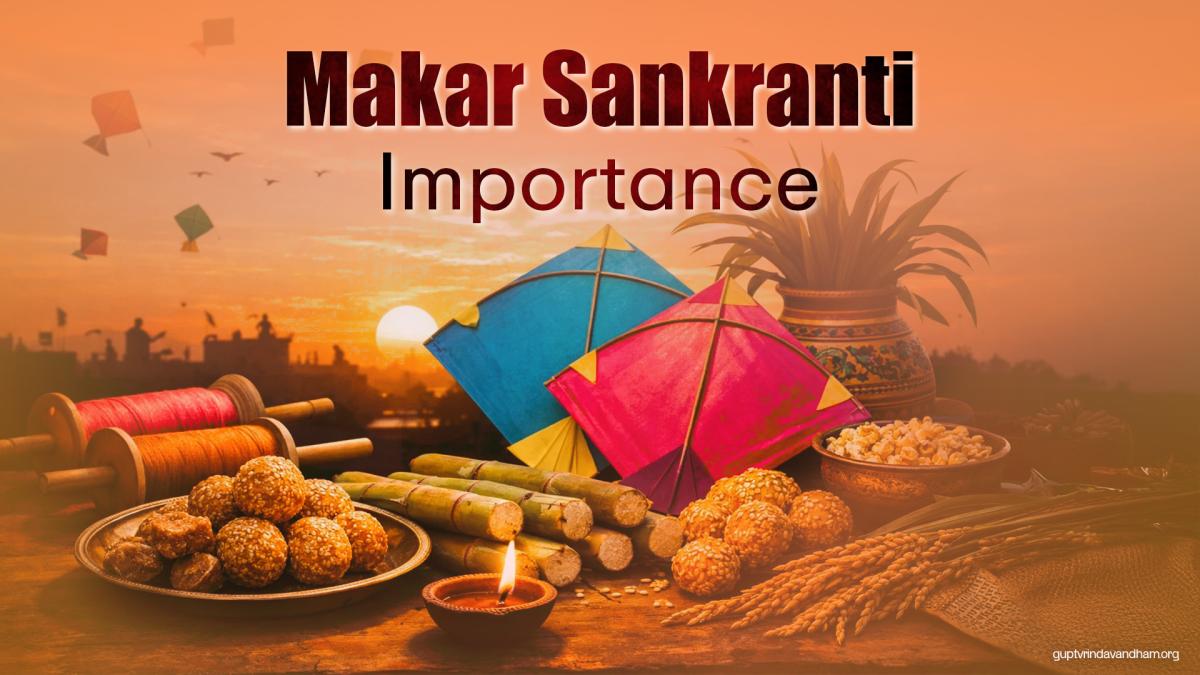
Makar Sankranti is one of the most widely celebrated festivals across India. During this auspicious occasion, the Sun transitions into Makara Rashi (Capricorn), marking the beginning of a new solar phase.
According to Vedic scriptures, this seasonal transition brings increased sunlight, creating a favourable atmosphere for greater clarity of mind, renewed energy, and spiritual awareness.
In this blog, we will explore the spiritual importance of Makar Sankranti and understand why this sacred festival has been celebrated for thousands of years.
Astrological Importance of Makar Sankranti
Makar Sankranti is considered a highly auspicious festival in astrology and highlights the significance of Sankranti as a spiritual and cosmic transition. As the Sun enters Capricorn (Makara Rashi), the sacred period of Uttarayan begins.
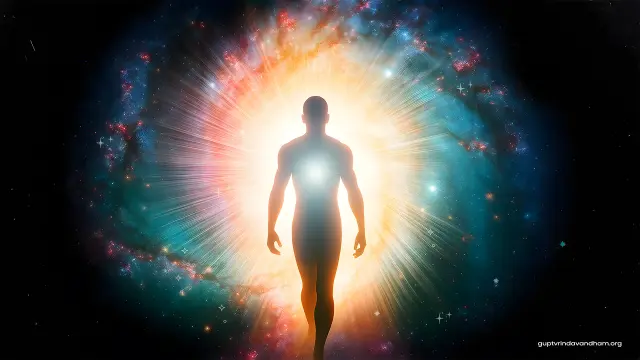
Uttarayan is a six-month phase representing the northward journey of the Sun. This divine transition symbolizes the victory of light over darkness and is believed to enhance positivity, inner strength, enthusiasm, and clarity in one’s life.
According to Vedic scriptures, Uttarayan is considered a powerful time to begin or deepen spiritual practices in daily life. Any action performed during this period—whether devotional service, charity, self-discipline, or a new beginning—is believed to bring lasting spiritual and karmic benefits.
Makar Sankranti reminds humanity to rise above inactivity, understand the true purpose of life, fulfil responsibilities, and awaken inner Krishna consciousness.
Religious & Spiritual Importance of Sankranti Festival
From a religious perspective, the Makar Sankranti festival holds deep spiritual significance. On this day, devotees worship the Sun God as the provider of sunlight and the divine source of light and energy.
Worship of the Sun God
Surya Dev is regarded as the source of divine energy. Worshipping Him on this day is considered highly auspicious and is believed to support good health and spiritual consciousness.
Devotees may offer holy water to the rising Sun while chanting the Hare Krishna Mahamantra as an expression of gratitude.
This practice helps purify the mind and body and encourages a life of discipline and truthfulness.
Auspicious for Spiritual Practices
Makar Sankranti is considered an auspicious day for engaging in devotional activities such as meditation, chanting, fasting, and performing kirtan.
Chant the Hare Krishna Mahamantra
Hare Krishna Hare Krishna, Krishna Krishna Hare Hare
Hare Rama Hare Rama, Rama Rama Hare Hare.
Chanting this Mahamantra is spiritually beneficial and helps awaken Krishna consciousness.
Symbol of Inner Transformation
This sacred day represents the journey from ignorance to true knowledge. It reminds devotees to leave behind negativity, ego, and harmful tendencies.
Makar Sankranti carries the message of self-correction and spiritual awareness and encourages individuals to live a dharmic life.
Cultural Significance of Sankranti Across India
Festivals such as Makar Sankranti reflect the rich cultural diversity of India. Although celebrated across different regions, the festival is known by various names, including Pongal, Lohri, Uttarayan, and Magh Bihu.
In Gujarat and Rajasthan, people fly colourful kites as symbols of joy, freedom, and celebration.
In Punjab and Haryana, communities gather around bonfires and celebrate with traditional music, dance, and shared festivities.
In Tamil Nadu, Pongal is observed as an expression of gratitude toward nature, farmers, and cattle. In Assam, Magh Bihu is celebrated through feasting, community gatherings, and traditional customs.
These diverse celebrations strengthen social bonds while preserving ancient traditions. Makar Sankranti encourages harmony, togetherness, gratitude, and the spirit of sharing.
Importance of Daan (Charity) on Makar Sankranti
In the Vedic scriptures, daan is regarded as an act of direct divine service. Offering charity on Makar Sankranti is considered especially auspicious.
Selfless giving on this sacred day brings spiritual merit and nurtures inner well-being. People commonly donate food, grains, clothes, and other essential items to those in need.
Selfless charity can positively transform the lives of both the giver and the receiver. This is why charity is highly emphasized in the Vaishnava tradition.
To make your seva more meaningful, you may visit Gupt Vrindavan Dham and offer your humble support through Annadaan, Gau Seva, Mandir Nirman Seva, Book Distribution Seva, and other devotional services.
Why Makar Sankranti Is Important for Spiritual Growth
Makar Sankranti is a highly significant occasion for spiritual growth. It marks the beginning of Uttarayan, a sacred period associated with discipline, clarity, and spiritual advancement.
As the Sun begins its northward journey, devotees are inspired to deepen their spiritual practices and strengthen their devotional commitments.
It is also a festival of new resolutions, encouraging devotees to establish better routines, engage in regular worship, and perform selfless service for others.
Conclusion
Makar Sankranti is a sacred occasion that brings harmony between personal life, nature, and the cosmos. Deeply rooted in spirituality, it is celebrated through ancient traditions of worship, gratitude, charity, and devotion.
This Makar Sankranti, remind yourself of the ultimate purpose of life: to live according to dharma, deepen your devotion, and rise above ordinary material pursuits toward a higher spiritual goal.