
 Donate Now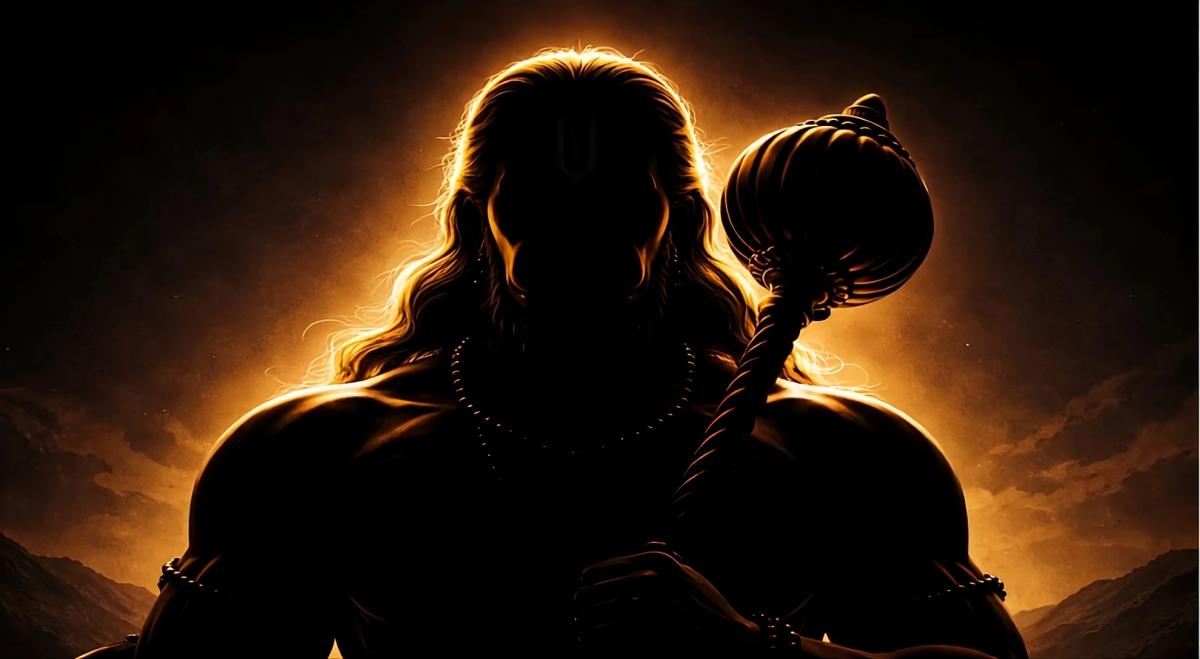
Lord Hanuman is a prominent deity in Hinduism who is revered as a divine vanara and devoted companion of Rama. He is a central figure in the ancient Indian epic known as the Ramayana and is celebrated for loyalty.
This deity is traditionally considered a chiranjivi, which means he is an immortal being who lives through the ages. He remains a significant figure in modern spiritual life and is worshipped as a symbol of strength and protection.
Who is Hanuman?
Identifying who is Hanuman requires looking at his unique parentage and his status within various ancient Indian traditions. He was born to his mother Anjana and his father Kesari in a forest cave on Anjanadri Hill. He is also described as the spiritual son of Vayu, who is the powerful deity of the wind. One narrative suggests Vayu delivered a fragment of sacred pudding to Anjana while she was engaged in worship. This led to his birth as a descendant of the wind deity or an incarnation of Lord Shiva.
His five brothers from the genealogy of Kesari are named Matiman, Shrutiman, Ketuman, Gatiman, and also Dhritiman. Many traditions within Shaivism view him as an avatar of Rudra to highlight his connection with Lord Shiva. Scholars trace his earliest historical roots to the Vrisakapi hymn found in the Rigveda from the Vedic era. His identity is further explored through many traditional names like Maruti, Bajrangbali, and also his title of Anjaneya. These names highlight his role as the son of the wind or his mother and his physical power.
He is also known as Sankata Mochana because he removes the difficulties and the many hardships of followers. Linguistic variations of his name appear in many regions, such as Hanumantha in Kannada or Anuman in Tamil. His diverse titles reflect the noble characteristics and the heroic deeds he achieved throughout his long, legendary life. In various Puranas, he is described as a being who combines extreme physical strength with quiet spiritual wisdom. He remains a central figure in the religious and cultural life of people across the entire Indian subcontinent.
The Hanuman Story: From Childhood to the Ramayana
The Hanuman story begins with his youth and continues through his important service during the ancient life of Rama.
Early Life
During his childhood, he once mistook the sun for a fruit and heroically attempted to reach the sky. The king of gods, Indra, struck him with a thunderbolt that wounded his jaw and killed him instantly. Vayu became upset and withdrew all air from the earth until the other deities intervened to help him. To appease the wind deity, the gods granted the child unique powers such as speed and fire immunity. Agni promised that fire would never harm him, while Varuna granted him total protection from the deep water.
Brahma gave him the ability to travel anywhere and Indra ensured his body was as tough as diamond. He was left with a disfigured jaw, which is one possible origin of the name he carries today. As a young student, he was known for being innovative but also for playing pranks on meditating sages. One sage eventually cursed him to forget his powers until he was reminded of them in adult life. He spent much of his youth in Kishkindha before eventually meeting his master and fulfilling his great destiny.
Service to Rama
In adulthood, he met Rama and Lakshmana in Kishkindha and pledged his service to find the princess Sita. The great bear Jambavan eventually lifted his childhood curse so that he could remember his vast abilities. He transformed into the size of a mountain and flew across the wide ocean to reach the island. During his flight, he met the demoness Surasa and the shadow-grabbing Simhika who both tried to stop him. He used his clever mind and shapeshifting powers to defeat these enemies and reach the city of Lanka.
After shrinking to the size of an ant, he sneaked into the city and found Sita in a grove. Before leaving, he was captured by the demon king Ravana and had his tail set on fire as punishment. He escaped and used his burning tail to destroy much of the city before returning to his master. During the battle, he carried an entire mountain of healing herbs to save the life of wounded Lakshmana. Centuries later, he met his spiritual brother Bhima in the forest to teach him a lesson about humility. He also sat upon the flag of the chariot of Arjuna during the great war of the Mahabharata.
Key Qualities of Hanuman
The study of Hanuman qualities reveals a unique combination of heroic strength and a heart filled with devotion.
Assertive Excellence: He combines physical power with heroic initiative to overcome difficult obstacles during his many missions for Lord Rama.
Loving Devotion: His spiritual focus is centered on emotional loyalty and dedicated service to the life of Rama and Sita.
Self-Control: As a lifelong Brahmachari, he embodies the virtues of chastity and maintains total mastery over his physical desires.
Innovative Nature: He finds creative solutions when facing certain defeat, such as burning the city of Lanka with his tail.
Scholarly Wisdom: He is a learned figure who is skilled in the Vedas, Vedanta philosophy, grammar, and art of music.
Immortal Presence: As a chiranjivi, he is blessed to live forever while the stories of Rama continue to be told.
Why Hanuman is Worshipped
Many devotees seek the answer to why Hanuman is worshipped by looking at his role as Sankata Mochana. He is the remover of obstacles who protects his followers from negative influences, ghosts, and various personal hardships.
People believe that his presence provides a shield against the many sorrows and pains found in the world. He serves as a guardian of the door to the court of his master, the noble Lord Rama. This protective role makes him a central figure for those who are facing spiritual or physical difficulties.
He epitomizes the ideal bridge between the physical power of Shakti and the emotional devotion found in Bhakti. Worshippers believe he provides the necessary strength to overcome suffering while maintaining a heart that is full faith.
During the medieval period, he became a symbol of nationalism and resistance against various forms of religious persecution.
Figures in the Bhakti movement used his image to inspire courage and a sense of duty among people. Today, he remains a cultural icon who represents the right of people to express their heritage and beliefs.
His life teaches that true strength comes from a combination of physical power and a humble, serving heart. Many people look to his example to find the courage required to face their own internal and external challenges.
He is often portrayed as a protector of the weak and a dedicated servant of a righteous cause. By worshipping him, followers hope to gain his qualities of fearlessness, loyalty, and unwavering commitment to the truth.
His legend continues to inspire millions of people through various versions of the ancient Indian epics and stories.
How to Worship Lord Hanuman
Learning how to worship Lord Hanuman involves following specific traditions that have been practiced for many centuries in India. Dedicated followers often prioritize Tuesdays and Saturdays as the most auspicious days to visit his temples and pray.
The practice of partial or full fasting on these days is common among those who seek his protection. Many devotees also recite the Hanuman Chalisa, which is a famous devotional song written by the poet-saint Tulsidas. These acts of worship emphasize the values of self-discipline and commitment to a righteous path in daily life.
Famous Forms and Names of Hanuman
| Name/Form | Meaning/Description |
|---|---|
| Panchamukha | The five-faced form includes the heads of Hanuman, Narasimha, Garuda, Varaha, and also the horse-faced Hayagriva. |
| Vajrang Bali | This name describes a hero with limbs as tough as a diamond or the powerful weapon of Indra. |
| Rama Doota | This title identifies him as the faithful messenger of Rama who searched for the missing princess Sita. |
| Anjaneya | This name literally means the son of Anjana to honor his mother and her legendary ancient lineage. |
| Sankata Mochana | This is a specific title given to the hero as the one who removes all dangers and hurdles. |
Spiritual Lessons from Hanuman
The life of this deity offers valuable lessons on the importance of self-discipline and keeping faith during times. He demonstrates how to serve a cause with complete commitment without seeking personal rewards or any form recognition.
His history shows that true strength comes from a combination of physical power and a humble, serving heart. Many people look to his example to find the courage required to face their own internal challenges. Follower of the Dvaita Vedanta tradition recognize him as the Mukhya Prana, or the Primordial Life Giver.
This role identifies him as an essential assistant to Vishnu during various periods of history and spiritual conflict. His character also shows a balance between extreme physical power and the quiet wisdom of a learned scholar.
He was known as a gifted grammarian, a talented musician, and a focused practitioner of ancient yoga traditions. By following his example, people learn to use their natural abilities for the benefit of their fellow humans. He proves that one can be a fierce warrior in battle while remaining a compassionate and gentle spirit.
His service to Rama and Sita remains the greatest example of selfless devotion in the history of Indian literature. He never asked for power or status and only desired to remain at the feet of his master.
This humility is considered the highest spiritual achievement for any devotee who follows the path of dedicated service. His ability to overcome any obstacle through faith and intelligence provides a roadmap for living a virtuous life. He remains an eternal symbol of the potential for greatness that exists within every humble and devoted soul.
Conclusion
Lord Hanuman remains an enduring figure in modern culture as a symbol of courage and selfless service to community. He represents the ultimate devotee whose legend continues to inspire millions of people through various ancient Indian epics.
His presence in temples and popular media reinforces his role as a guardian who offers strength and protection. Modern society views him as a timeless example of how to combine physical power with a devoted heart. The legacy of Lord Hanuman ensures that his stories of heroism and faith will be told forever.