
 Donate Now
Kṛṣi-go-rakṣya-vāṇijyaṁ vaiśya-karma svabhāva-jam
Paricaryātmakaṁ karma śūdrasyāpi svabhāva-jam— Bhagavad Gita 18.44
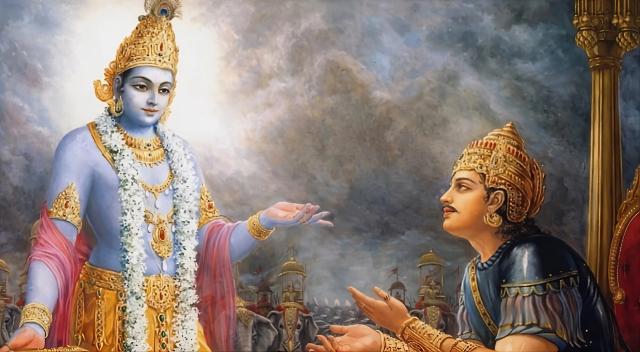
Translation: Farming, cow protection, and trade are the natural occupations of the vaiśyas, while service and labor for others are the natural duties of the śūdras.
Many people wonder why cows are deeply revered in Sanatan Dharma and why they are regarded as symbols of peace and prosperity.
In the Bhagavad Gita, Lord Krishna states that cow protection is a natural and essential duty for the well-being of society. Varnashrama and cow protection are foundational principles of Sanatan Dharma. By understanding and serving these sacred principles, one can progress spiritually and seek the mercy of the Lord.
In this complete guide, we will explore the true meaning of Gau Seva, why cow protection (Gau Raksha) is considered a sacred duty according to the Vedas, how ISKCON Gau Seva preserves this tradition through farm communities, and practical ways to begin your own Gau Seva, such as feeding a cow or supporting a Gaushala.
What Is Gau Seva?
गौ सेवा परमो धर्मः
Gau Seva (Go Seva) is a form of selfless service and care for cows. By performing acts of compassion such as feeding them, providing shelter, offering medical support, and showing affection, one can participate in a divine seva that is very dear to Lord Krishna.
According to the Puranas, a cow's body is not considered ordinary; it is believed that all 33 koti devatas reside within it.
Beyond its spiritual importance, Gau Seva also supports sustainable farming and an eco-friendly environment. Cow dung and cow urine (gaumutra) can be used as natural organic fertilizers for the soil and in the production of renewable energy.
This vision of Gau Seva was strongly emphasized in Srila Prabhupada's teachings on cow protection, which continue to guide people around the world in caring for Gau Mata.
Why Cow Protection Matters in Vedic Tradition (Importance of Gau Seva)
Protecting cows has always been central to Vedic civilization, as it helps guide the soul toward Krishna consciousness.
Yaśodā-rohiṇībhyāṁ tāḥ samaṁ bālasya sarvataḥ
Rakṣāṁ vidadhire samyag go-puccha-bhramaṇādibhiḥ
— Śrīmad Bhāgavatam 10.6.19
This verse describes how, after baby Krishna survived the attack of the demoness Putana, Mother Yashoda and Mother Rohini, along with the other gopis, performed a traditional protection ritual by waving a cow’s tail over the child and conducting protective rites using cow products.
Even the Lord’s own mother turned to the cow for protection, showing that in Vedic culture, the cow is not only protected by us but is also a source of protection for us.
This sacredness is reflected in the five products obtained from a cow, all of which are considered pure and sacred: milk, ghee, yogurt, cow dung, and cow urine. Together, these five products are known as pancha-gavya. At our Gaushala in Gupt Vrindavan Dham, these same principles guide the way we care for Gau Mata every day.
For these compassionate reasons, Gau Raksha and Gau Mata Seva are considered among the foremost responsibilities in the Vedic tradition. It is not merely a rule, but a natural expression of gratitude toward Gau Mata for her role in sustaining human life.
Krishna and the Cows (The Spiritual Significance)
Lord Krishna and the cows share a bond that goes far beyond ordinary protection; it is one of the most revered relationships in Vedic literature. Lord Krishna has many names, but have you ever wondered about the meaning behind the name Govinda? Govinda means “one who brings joy to the cows.” Lord Krishna’s bond with the cows was never distant or merely symbolic. It was personal and affectionate, just as He lovingly cares for His devotees and ensures their well-being.
The Brahma-samhita describes this eternal connection with special emphasis on Goloka and the Surabhi cows. According to this sacred text, Lord Krishna eternally resides as a cowherd boy in the pastoral community of Goloka Vrindavan, surrounded by unlimited Surabhi cows.
Every act of Gau Seva performed on Earth is considered a humble offering to Lord Krishna Himself. Gopashtami, the festival marking the day when Lord Krishna began His full-fledged cowherding pastimes, is observed by devotees worldwide as a tribute to this sacred bond. It reminds us that Gau and Gopala are inseparable.
Gau Seva in the Scriptures
Caring for and serving cows holds great significance in the Vedic scriptures. Let us explore what sacred texts such as the Bhagavad Gita, Śrīmad Bhāgavatam, and Rig Veda say about Gau Seva.
Sūrye tu vidyayā trayyā haviṣāgnau yajeta mām
Ātithyena tu viprāgrye goṣv aṅga yavasādinā
— Śrīmad Bhāgavatam 11.11.43–45
Translation: Lord Krishna explains that one can worship Him by chanting Vedic prayers to the sun, offering ghee into the sacred fire, honoring learned scholars as guests, and feeding grass to cows.
Āyudhānām ahaṁ vajraṁ dhenūnām asmi kāmadhuk
Prajanaś cāsmi kandarpaḥ sarpāṇām asmi vāsukiḥ
— Bhagavad Gita 10.28
Translation: Among weapons, I am the thunderbolt, and among cows, I am the wish-fulfilling Kamadhenu. Among causes of procreation, I am Kandarpa, and among serpents, I am Vasuki.
Gobhiḥ prīṇita-mātsaram
— Rig Veda 9.46.4
Translation: One who desires to kill a cow is considered to be in the deepest ignorance.
These verses from highly revered Vedic scriptures clearly reflect the importance of Gau Seva and cow protection in Sanatan Dharma.
Benefits of Gau Seva
Engaging in Gau Seva offers many spiritual, emotional, and social benefits. It can bring peace, clarity, compassion, and a deeper connection with the Supreme Lord. Let us understand these benefits in detail.
1. Purification of the Mind and Environment
Feeding and caring for cows helps cultivate compassion and purity in the heart. Since cows are symbols of gentleness and calmness, serving them can bring peace to the mind and create a positive atmosphere in one’s surroundings.
2. Divine Grace and Protection
Gau Seva is considered a simple and sincere way to seek the mercy of the Supreme Lord. It is widely believed that those who serve and protect cows receive divine blessings and spiritual protection for themselves and their families.
3. Astrological Significance
According to traditional astrology, Gau Seva is often recommended as a spiritual remedy for reducing the unfavorable effects associated with planets such as Saturn, Rahu, and Ketu. More importantly, serving cows encourages humility, compassion, and positive action during difficult phases of life.
4. Fulfillment and Prosperity
Gau Mata is associated with Kamadhenu, the divine wish-fulfilling cow. It is believed that serving cows with faith and devotion attracts blessings, prosperity, and progress in different areas of life, including education and career.
5. Physical and Mental Well-Being
Gau Seva performed with pure intention can support mental, emotional, and spiritual well-being. Spending time caring for cows may reduce stress, bring inner satisfaction, and encourage a more peaceful and compassionate way of living.
6. Peace for Ancestors (Pitru Shanti)
According to traditional belief, Gau Seva performed with devotion may bring peace to one’s ancestors and support harmony within the family. Cow protection and service are therefore associated with blessings and well-being across present and future generations.
How to Do Gau Seva?
There are many ways to serve and protect cows, whether by caring for them personally or by supporting organizations dedicated to Gau Seva and cow protection. Here are some meaningful ways to participate.
At Home or Individually
1. Feed Cows Directly
If you look around your neighborhood, you will often find cows roaming nearby. Make it a daily habit to offer them fresh grass, chapatis, jaggery, or other suitable food. Instead of driving them away, treat them with kindness and compassion. Even this small act of service, when performed with devotion, is considered highly auspicious.
2. Gau Daan
Gau Daan, or contributing toward the lifelong care of a cow, is regarded as one of the highest forms of charity in the Vedic tradition. It is believed to bring spiritual merit, remove sinful reactions, and attract prosperity. You can support nearby Gaushalas or contribute to the medical care and well-being of rescued cows.
3. Observe Festivals Dedicated to Cows
Participating in festivals such as Gopashtami and Govardhan Puja, where cows are worshipped and honored, is a joyful way to practice Gau Seva. These celebrations also inspire family members and society to appreciate the importance of protecting and serving Gau Mata.
Through Gupt Vrindavan Dham
1. Support Hingoniya Gaushala
At Gupt Vrindavan Dham, you can directly support the care of more than 16,000 rescued cows by contributing toward their fodder, shelter, and medical treatment. Our Hingoniya Gaushala in Jaipur is one of India's largest cow rehabilitation centers, where every cow is cared for with compassion and dignity.
2. Support the Care of Gau Mata
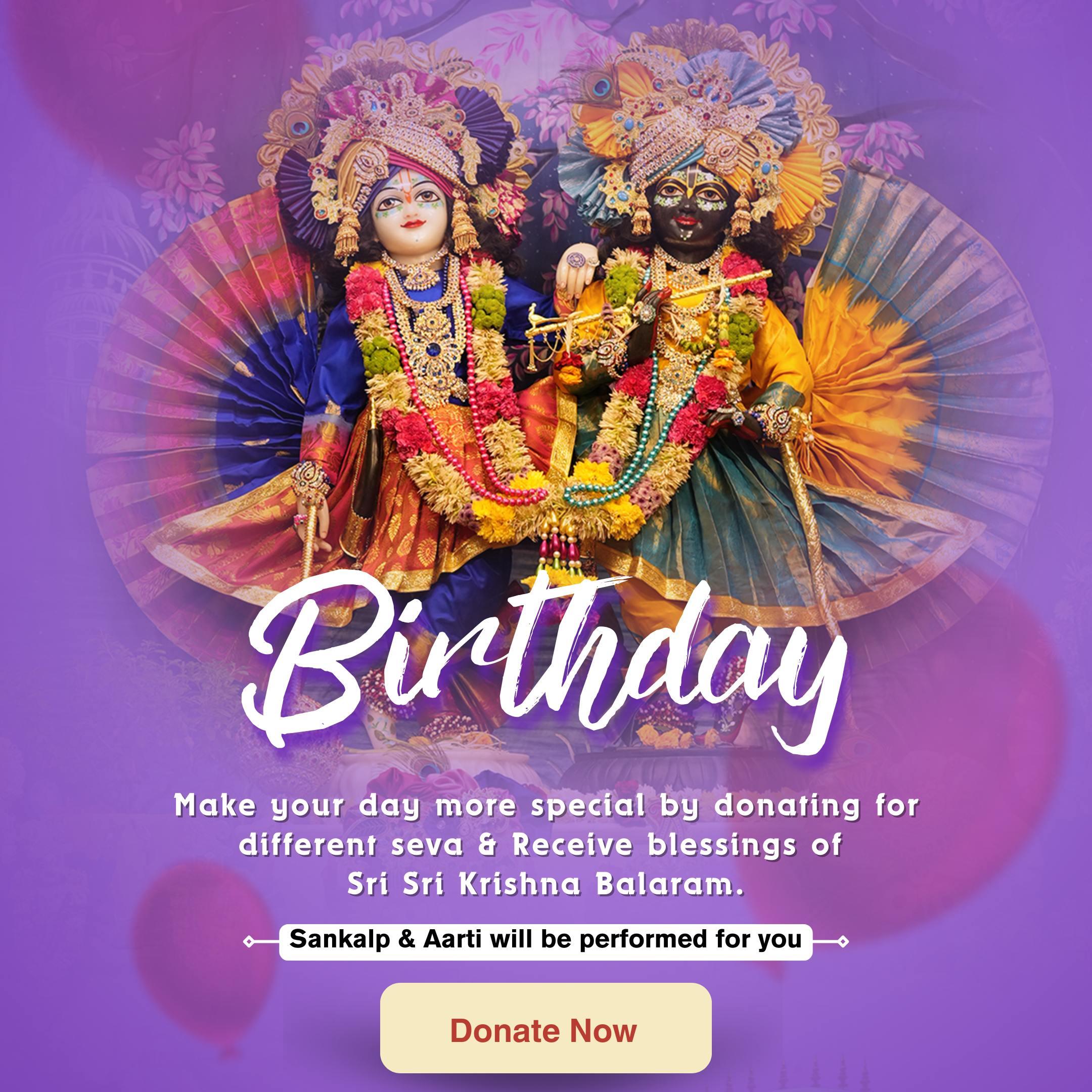
For those who wish to sponsor the complete care of a cow, including food, shelter, and medical needs, Sri Sri Krishna Balaram Gaushala provides dedicated Gau Seva opportunities. Every contribution helps improve the lives of rescued cows and ensures that no cow is left without care.
3. Contribute During Festivals and Special Sevas
On sacred occasions such as Janmashtami, Radhashtami, and Govardhan Puja, devotees can participate in special Gau Seva offerings. Serving Gau Mata on these auspicious festivals is believed to bring immense spiritual benefit while supporting the ongoing protection and care of cows.
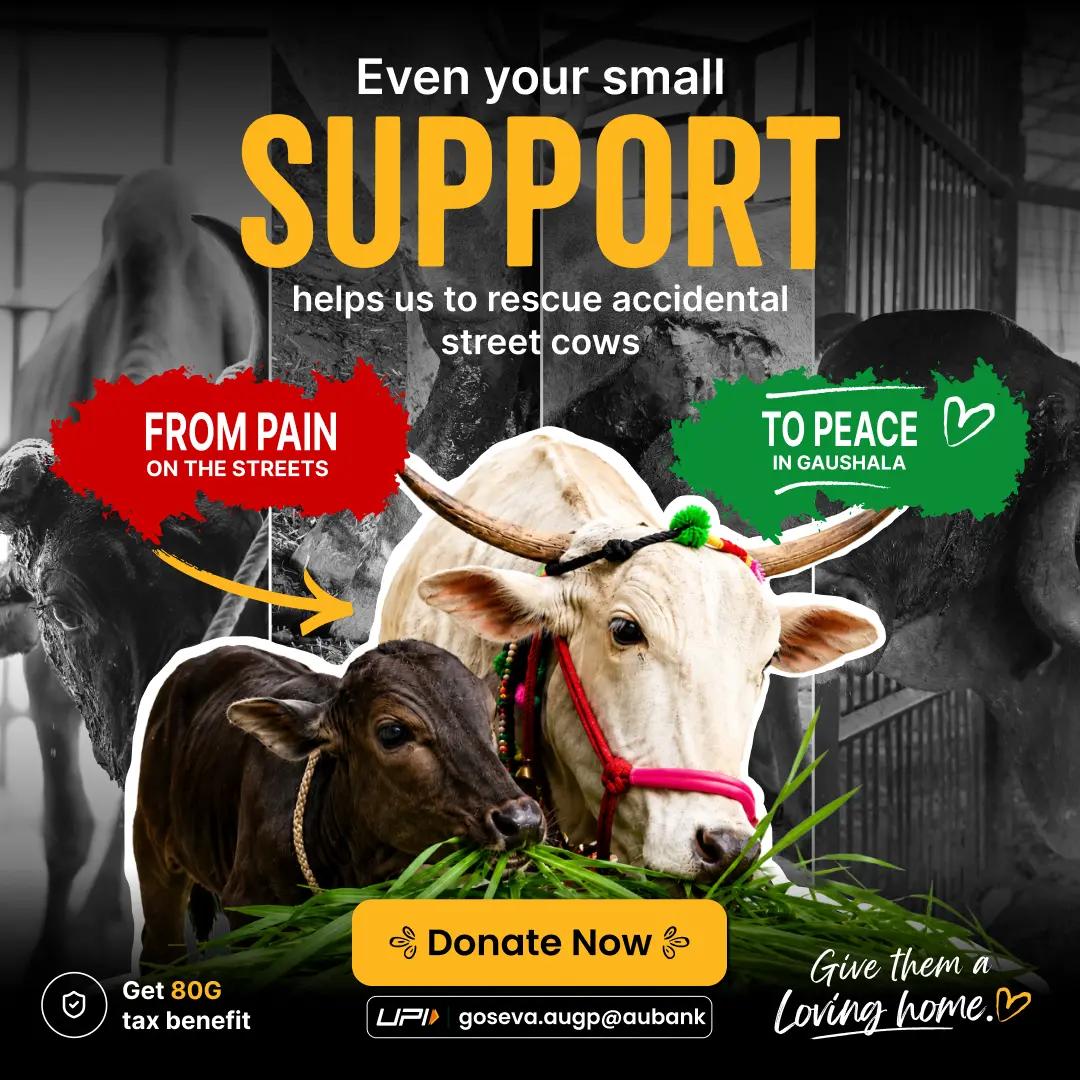
Every contribution, whether large or small, directly supports the daily care of more than 16,000 cows at Sri Krishna Balaram Gaushala. If you would like to participate in Gau Seva, you can support our ongoing cow protection efforts and become a part of this sacred service.
Cow Protection in Krishna Consciousness
Srila Prabhupada’s cow protection initiative was one of the most strongly emphasized principles of ISKCON. He taught humanity about the importance of cow products for human development and explained the true meaning of Gau Seva as direct devotional service to Lord Krishna.
Once, Srila Prabhupada asked some devotees, “What is a cow?” The devotees replied that she is an animal, but Srila Prabhupada rejected this understanding and explained that the cow should not be seen merely as an animal; she is the mother of humanity. He taught that universal welfare and advanced civilization depend upon the protection of cows and brahmanas. If cow protection is neglected, dharma gradually declines in the age of Kali.
Key Points from Srila Prabhupada on Cow Protection
1. Fine-Tuning the Brain for Spiritual Consciousness
Srila Prabhupada taught about the importance of drinking cow’s milk, explaining that it not only provides physical nourishment but also supports higher spiritual understanding and increases sattva-guna, through which one develops mental clarity.
2. Protection from Severe Karmic Reactions and Conflict
By actively engaging in Gau Seva and opposing cow slaughter, society can reduce severe karmic reactions and move toward greater peace. Srila Prabhupada repeatedly taught that violence against cows leads to collective suffering, whereas cow protection promotes harmony, safety, and spiritual welfare.
3. Economic Stability and Freedom from Scarcity
He taught that human society primarily requires sufficient grains and cows to address many economic challenges. With proper cow protection, a community can receive milk, ghee, and yogurt, while cow dung and cow urine can support natural farming through organic fertilizer and other useful applications.
ISKCON farm communities serve as practical examples of Srila Prabhupada’s vision of “Simple Living, High Thinking.” He established rural communities around the world, including New Vrindaban in the United States, to demonstrate self-sufficient living rooted in agriculture, cow protection, and spiritual practice.
Srila Prabhupada closely connected Krishna consciousness with cow protection as an essential mission of the Hare Krishna Movement. Through ISKCON’s cow protection initiatives, many people around the world have come to understand the sacred importance of Gau Mata and Gau Seva.
Conclusion
Gau Seva reminds us that true peace and abundance are not found outside us but are cultivated through selfless service. In the age of Kali-yuga, when suffering and disorder continue to increase, Lord Krishna has given us the sacred opportunity to serve Gau Mata and contribute to the welfare of society.
This seva does not require extraordinary effort. Offering nutritious food, supporting safe shelter, and helping provide proper medical care are simple yet meaningful acts of compassion. Gau Seva belongs to everyone, and each person can participate according to their strength and devotion.
Even a small contribution can bring a meaningful change to the lives of cows and become a sincere offering to Lord Krishna.