
 Donate Now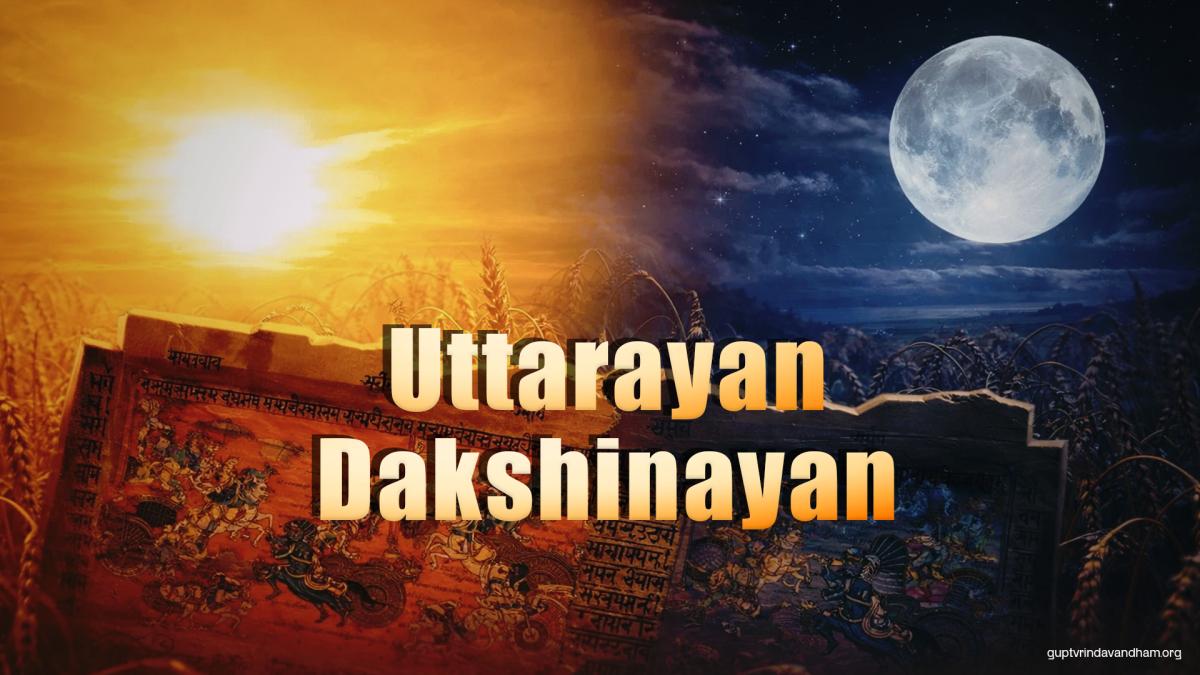
In Sanatan Dharma, time is not understood merely through minutes, hours, or days. It is also measured through the movement of celestial bodies and the natural cycles of the universe. The Sun’s journey is not regarded as only an astronomical transition, but as a sacred flow that influences spiritual practices and devotional activities.
Among these solar transitions, Uttarayan and Dakshinayan hold profound spiritual significance. The year is divided into these two sacred phases, and each period carries its own purpose, spiritual energy, and importance.
What Is Uttarayan?
The word Uttarayan is derived from two Sanskrit words: Uttar, meaning north, and Ayan, meaning movement or journey. It refers to the Sun's northward journey, a six-month period that marks the transition from winter to summer.
Uttarayan begins when the Sun enters the zodiac sign of Capricorn (Makara), an event celebrated as Makar Sankranti, usually observed around January 14 each year.
From a spiritual perspective, Uttarayan symbolizes a journey toward light, higher consciousness, and spiritual clarity. It is considered a favourable period for deepening one's Krishna consciousness through devotional practices.
During this sacred phase, devotees often dedicate more time to chanting the holy names, studying Vedic scriptures, performing seva, and engaging in other devotional activities, as the period is believed to support sattvic qualities.
Scriptures also describe Uttarayan as an auspicious time for charity, performing sacred rituals, and beginning new spiritual endeavours.
What Is Dakshinayan?
Dakshinayan is the six-month period during which the Sun begins its southward journey. It starts when the Sun enters the zodiac sign of Cancer (Karka), usually around the middle of July, and continues until the next Makar Sankranti.
As this phase progresses, the duration of daylight gradually becomes shorter. Spiritually, however, Dakshinayan is not considered a period of negativity. Instead, it encourages introspection, self-discipline, spiritual growth, and inner transformation.
Many saints and devotees use this time to deepen their spiritual practices through chanting, meditation, the study of Vedic scriptures, and strengthening their Krishna consciousness.
Difference Between Uttarayan and Dakshinayan
The basic difference between Uttarayan and Dakshinayan lies in the direction of the Sun’s movement and the distinct spiritual qualities associated with each period.
Uttarayan is considered a time for directing outward energy toward spiritual activities, sacred celebrations, charity, and new beginnings.
Dakshinayan focuses more on inner purification. It is a period for developing self-control, practising mindfulness, and strengthening one’s inner spiritual life.
Both phases are supportive and harmonious. Together, they help devotees balance inner and outer purification, move steadily toward a spiritual path, and deepen their devotional practices.
Which Is More Auspicious—Uttarayan or Dakshinayan?
In general, Uttarayan is considered especially auspicious for sacred ceremonies, religious rituals, pilgrimages, charity, and beginning new spiritual endeavours.
According to traditional belief, leaving the body during Uttarayan is considered spiritually favourable and associated with attaining a higher destination.
However, Dakshinayan is also sacred. Many yogis, saints, and spiritual practitioners value this period as an opportunity to deepen meditation, practise self-discipline, and strengthen their inner devotion.
In essence, both Uttarayan and Dakshinayan serve divine purposes and support devotees in different stages of their spiritual growth.
What Should Devotees Do During Uttarayan and Dakshinayan?
During Uttarayan, devotees are encouraged to engage in selfless temple service, perform kirtan, offer charity, and read Vedic scriptures such as Srimad Bhagavatam and Bhagavad Gita.
Devotees may wake early in the morning, bathe, offer water to the rising Sun, chant, meditate, observe fasts, and study sacred scriptures. They may also participate in Makar Sankranti celebrations, which mark the beginning of this auspicious phase.
During Dakshinayan, devotees can focus on regular sadhana, including chanting the Hare Krishna Mahamantra, practising meditation, observing fasts, reading scriptures, and cultivating self-discipline.
Hare Krishna Mahamantra
Hare Krishna Hare Krishna, Krishna Krishna Hare Hare,
Hare Rama Hare Rama, Rama Rama Hare Hare.
By performing spiritual activities mindfully during both phases, devotees can maintain balance and make steady progress on the path of devotion.
Conclusion
In Sanatan Dharma, the year is divided into Uttarayan and Dakshinayan, helping people live in greater harmony with nature and the sacred cycles of time.
These two phases teach devotees to approach spiritual life with different moods and purposes. Just as day and night together complete a full day, Uttarayan and Dakshinayan together support both outward service and inner transformation.
By using these periods wisely and practising devotional activities with sincerity, one can gradually deepen faith, discipline, and spiritual strength.