
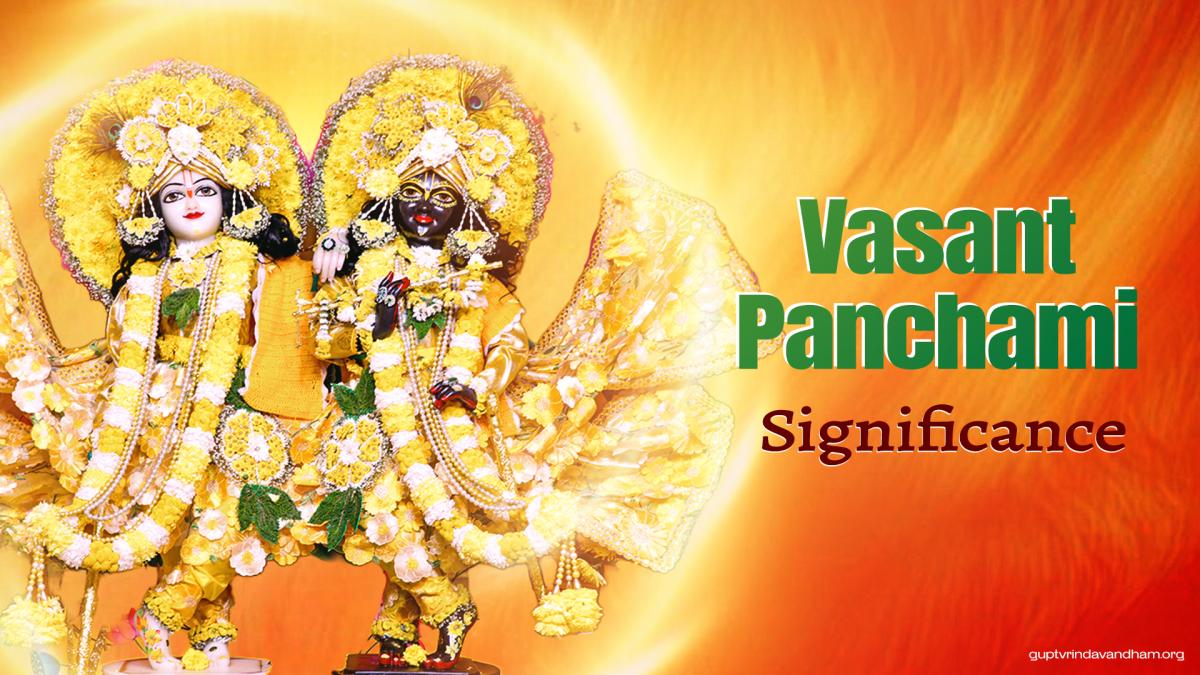
Basant Panchami marks the arrival of spring and the beginning of Vasant Ritu, the transition from the cold winter season to warmer weather. On this day, devotees worship Goddess Saraswati, the divine source of wisdom, knowledge, speech, and intelligence. The festival therefore holds significance both as a seasonal celebration and as a spiritually uplifting occasion.
Beyond the change in season, Basant Panchami is also a time to awaken the higher self and align the mind with transcendental wisdom. This day is considered especially auspicious for devotion, inner clarity, intellectual study, and personal growth.
What Is Basant Panchami?
The word Basant means spring, a season that represents growth, balance, and harmony in nature. In ancient Indian tradition, this day is considered ideal for spiritual discipline, creative arts, and the beginning of education or learning.
Basant Panchami is celebrated on the fifth day of the Shukla Paksha in the month of Magh. This sacred period marks the arrival of spring and symbolizes transformation, renewal, and new beginnings.
The festival is closely associated with the colour yellow, which represents purity, energy, prosperity, and the fresh bloom of fields and nature.
Basant Panchami's Significance in Hindu Dharma
In Sanatan Dharma, Basant Panchami is deeply associated with Goddess Saraswati and reflects the importance of spiritual learning, wisdom, and devotion.
Goddess Saraswati is revered as the transcendental embodiment of knowledge (Vidya), intellect (Buddhi), and wisdom (Jnana).
According to the scriptures, ignorance is a primary cause of suffering and exploitation, while true knowledge becomes the path toward liberation.
In Hindu philosophy, learning is considered not merely academic but deeply spiritual. On this auspicious day, devotees pray for mental clarity, purified consciousness, and an awakened intellect.
Visit Gupt Vrindavan Dham during the evening hours to experience the beautiful kirtan of the Hare Krishna Mahamantra performed by the temple devotees.
Spiritual Importance of Basant Panchami
This festival holds significance beyond its external rituals and highlights the deeper spiritual meaning of Vasant Panchami. It is closely associated with the awakening and purification of inner consciousness.
i) Removal of Ignorance
Worshipping Goddess Saraswati helps remove negative thoughts and purifies the mind. Devotees pray for freedom from confusion, illusion, ignorance, and material bondage.
ii) Awakening of Inner Wisdom
The spring season symbolizes the awakening of the soul. As nature reveals its beauty, the heart becomes more inclined toward devotion, inner purification, and higher wisdom.
iii) Purification of Speech and Thoughts
Goddess Saraswati presides over speech (Vak). Worshipping her on this day is considered highly sacred and offers an opportunity to develop pure speech, clear thoughts, and a deeper understanding of spiritual knowledge.
iv) Balance of Knowledge and Devotion
Basant Panchami teaches that true wisdom grows when knowledge is balanced with service, devotion, and humility toward the Supreme Lord, Lord Krishna.
Rituals and Traditions of Basant Panchami
i) Saraswati Puja
Devotees worship Goddess Saraswati by offering yellow and white flowers, musical instruments, writing tools, and sacred texts.
According to tradition, placing these offerings before her idol or image invokes her blessings for gaining and understanding both spiritual and material knowledge.
ii) Yellow Attire and Offerings
Devotees wear yellow clothes and offer yellow-coloured preparations such as sweet rice or kesar halwa to Goddess Saraswati. The colour yellow symbolizes joy, knowledge, and the vitality of life.
iii) Vidya Arambh Sanskar
On this sacred day, children are formally introduced to learning, marking their first step toward education under divine blessings.
iv) Spiritual Practices
Devotees may chant the Hare Krishna Mahamantra on this auspicious day. It is considered the most powerful mantra for honouring the Supreme Lord, Lord Krishna.
Hare Krishna Mahamantra
Hare Krishna Hare Krishna
Krishna Krishna Hare Hare
Hare Rama Hare Rama
Rama Rama Hare Hare
Why Basant Panchami Is Auspicious for Devotees
Basant Panchami is especially significant for those seeking spiritual awakening and for devotees engaged in practices such as chanting, studying the scriptures, and performing kirtan.
i) A Day for Spiritual Learning and Seva
It is considered an ideal day to begin spiritual study, start one's educational journey, or dedicate creative talents in the service of the Supreme Lord.
ii) A Day for Clarity and Wisdom
Devotees pray for clarity, focus, and a disciplined intellect so that their knowledge may be used in the service of the Lord.
iii) A Day to Cultivate Humility
Basant Panchami reminds us that true knowledge should nurture humility rather than ego, leading the heart closer to devotion and self-realization.
Conclusion
Basant Panchami is deeply rooted in ancient wisdom and beautifully harmonizes learning, faith, and the changing seasons. By worshipping Goddess Saraswati, devotees seek discipline, inner clarity, purification, and divine guidance.
May this Basant Panchami inspire us all to pursue spiritual growth, walk the path of dharma, and remain under the eternal protection of the Supreme Lord.