
Ram Navami is one of the most significant and joyful festivals in the Hindu calendar, celebrated with immense fervor by millions of people across India and around the world.
Occurring during the vibrant spring season, typically in the Hindu month of Chaitra (March or April), the festival brings a sense of spiritual renewal and communal harmony.
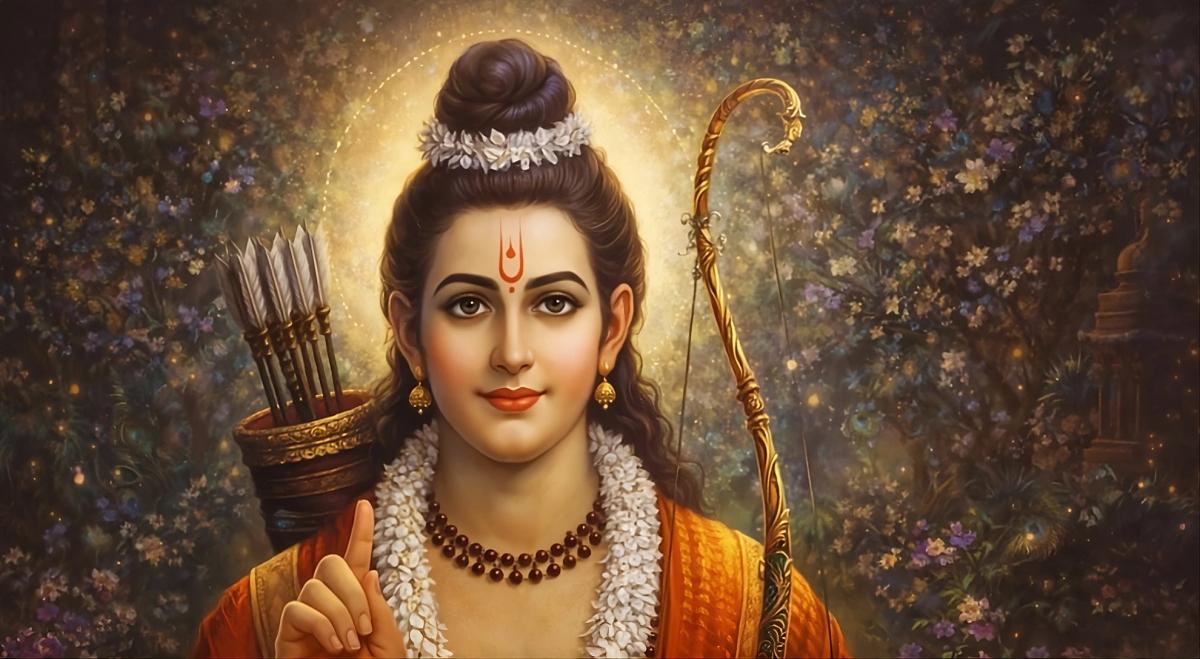
It is a day dedicated to honoring the birth of Lord Rama, who is not only a central figure in Hinduism but also the hero of the timeless epic, the Ramayana.
As the flowers bloom and the air turns warm, millions of people ask Why Celebrate Ram Navami as they prepare their homes and hearts for this auspicious occasion.
What is Ram Navami?
Ram Navami is a Hindu festival that commemorates the birth anniversary of Lord Rama. According to the Hindu lunar calendar, the festival falls on the ninth day (Navami) of the bright half (Shukla Paksha) of the Chaitra month. This month is regarded as the first month of the Hindu year, making the festival a cornerstone of the spring season.
The festival also serves as the grand conclusion to the nine-day Chaitra Navaratri festival. While the preceding eight days are dedicated to the goddess Durga, the ninth day shifts the focus to the arrival of the seventh avatar of Lord Vishnu.
To understand the depth of this deity, a Cultural Heritage Expert would point to the etymology of the name "Ram." As explained by spiritual scholars, "Ra" signifies the Universe, and "Ma" signifies the Master. Thus, the name itself represents the Master of the Universe who descended to Earth.
In the sacred city of Ayodhya, the birthplace of Lord Rama, the occasion is marked with unparalleled scale, with the city often described as being "decked up like a bride" in all her bridal finery.
Why Ram Navami is Celebrated
At its heart, Ram Navami is celebrated to mark the descent of the divine into the human world. The festival honors the birth of Lord Rama in the ancient city of Ayodhya to King Dasharatha and Queen Kaushalya. However, the reason for this celebration is deeper than a simple birthday; it represents a pivotal moment in spiritual history when the "Father of all living beings" decided to take a human form.
If one looks deeper into Why Celebrate Ram Navami, the answer lies in the restoration of Dharma (righteousness). During the Treta Yuga, the world was plagued by chaos caused by unrighteous forces. Lord Rama was born to restore balance and provide a model of the "ideal man" for humanity to follow.
As an incarnation of Lord Vishnu, his life was intended to serve as a beacon of ethics and goodness. By celebrating this day, devotees reaffirm their faith and celebrate the belief that divine forces will always intervene to protect the virtuous and destroy evil. It is a "reaffirmation of faith" that each individual is gifted with, allowing us to reset our spiritual and emotional fulcrum.
The Story Behind Ram Navami
The story of Ram Navami begins in the kingdom of Ayodhya, where King Dasharatha ruled. Despite his wealth and power, the King was deeply saddened because he had no heir to continue his prestigious Sun dynasty (Surya Vansha).
Following the guidance of his Guru Vashishtha, the King and his three wives—Kaushalya, Kaikeyi, and Sumitra—performed a Yagya (a sacred fire sacrifice) to beseech the gods for children. Upon the successful completion of the ritual, a divine being emerged from the fire and offered a bowl of sacred pudding (payasam).
King Dasharatha distributed this among his wives, leading to the birth of four heirs. Lord Rama was born to Queen Kaushalya, Bharat to Queen Kaikeyi, and the twins Lakshmana and Shatrughna to Queen Sumitra.
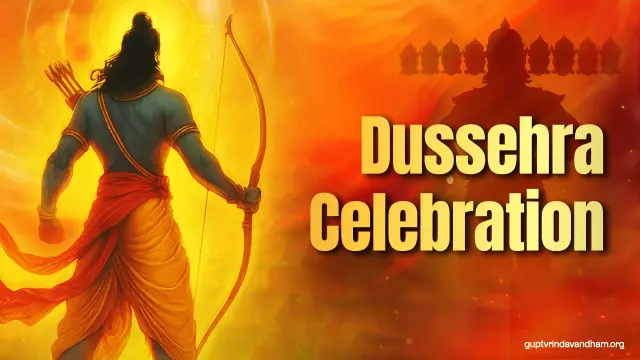
The birth of Lord Rama was a divine response to a global crisis. The ten-headed demon king of Lanka, Ravana, had become an "incurable warmonger." Having received a boon from Lord Brahma that made him nearly invincible, Ravana became arrogant and unlawful, terrorizing celestial gods, saints, and sages.
He was a force of pure adharma (unrighteousness), conquering higher worlds and causing immense suffering. When the gods could no longer bear Ravana's onslaught, they approached Lord Vishnu, the protector, who promised to take birth as the son of Dasharatha to annihilate the demon king.
The primary purpose of the Rama avatar was to protect the innocent and destroy the wicked. Throughout his life, as narrated in the Ramayana by Sage Valmiki, Rama faced every challenge with grace.
His journey from a noble prince to an exiled warrior, and eventually to the destroyer of Ravana, remains the ultimate story of the victory of good over evil.
Spiritual Significance of Ram Navami
Lord Rama is uniquely revered because he represents the pinnacle of human conduct. He is often referred to as Maryada Purushottam, the "superior among all men" or the "perfect man who follows the path of righteousness." The spiritual significance of Ram Navami lies in reflecting upon the virtues he personified, which are considered relevant to every human being even today.
The virtues represented by Maryada Purushottam include:
- Honesty & Truth: He never deviated from the path of truth (Satya), even when facing extreme personal loss or the pressure of his royal duties.
- Duty: He was the ideal son who willingly gave up his throne and accepted 14 years of exile to fulfill a promise made by his father to Queen Kaikeyi.
- Justice: As a ruler, he was the embodiment of fairness. He famously valued the verdict and welfare of his subjects above his own personal happiness, creating a standard for leadership that remains a benchmark.
- Resilience: He faced immense hardships—including the kidnapping of his wife, Sita—with unwavering patience, courage, and focus. He never lost hope or wavered in his duty.
For modern devotees, the festival is a time to "reset" their own spiritual path. It serves as a reminder that regardless of the "ten-headed" challenges we face today—such as greed, ego, and injustice—staying on the path of Dharma allows us to evolve into better individuals.
How People Celebrate Ram Navami
A blend of spiritual discipline, temple rituals, processions, and regional traditions observed by devotees.
- 01
Fasting
Many devotees observe a day-long fast, often lasting from sunrise until the next morning. During this time, they consume only Sattvic food—pure vegetarian options like fruits, milk, and curd. This is seen as a process of detoxification for both the body and mind. - 02
Temple Visits & Recitations
Temples dedicated to Lord Rama or Lord Vishnu are the heart of the celebrations. Devotees participate in Rama Katha recitals and read the Ramayana or the Ramcharitmanas, written by the saint Tulsidas. - 03
Rath Yatras
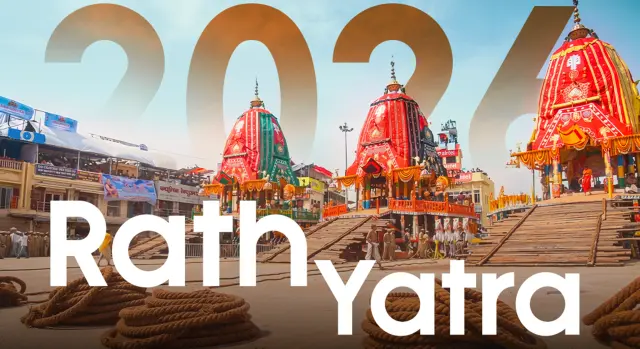
Grand processions feature beautifully decorated chariots carrying idols of Lord Rama, Sita, Lakshmana, and Hanuman. These move through the streets accompanied by music, folk dances, and the showering of flowers. - 04
Sun Tilak in Ayodhya
Because Rama belongs to the Solar Dynasty, Surya Vansha, the sun is worshipped at his birth. At exactly 12:00 noon in the Shri Ram Janmabhoomi temple, a system of mirrors allows the sun’s rays to apply a "tilak" to the forehead of the idol for about 4 minutes. - 05
Modern Celebrations in Ayodhya
For the first time, drones have been used to spray sacred Saryu river water on the massive crowds, and over 2 lakh lamps are lit at Pakka Ghat and Ram's Paidi. - 06
South Indian Traditions
In South India, devotees often consume Panakam, a refreshing drink made of jaggery and pepper. Some also use turmeric paste for purification and renewal. - 07
Ramayan Circuit Celebrations
Pomp and show are especially visible in Chitrakoot, where Rama spent years in exile, and Orchha, both of which are key stops on the sacred Ramayan Circuit. - 08
Cradle Ceremony
Miniature idols of "Baby Ram" are washed, clothed, and placed in decorated cradles, symbolizing his divine birth.
Why Ram Navami Matters Today
This brings us to the modern context of Why Celebrate Ram Navami. In our fast-paced world, the values of the Ramayana provide a much-needed moral compass. The concept of Ram Rajya—the ideal model of governance established by Lord Rama—serves as a timeless benchmark for modern society.
As emphasized by leaders like the President of India, Ram Rajya is built on principles of justice, social welfare, and prosperity for all citizens. It calls upon everyone to work together for the creation of a developed and equitable nation.
Furthermore, Lord Rama’s dedication to family and his unwavering commitment to his word provide a model for personal relationships. His life teaches us how to foster and sustain healthy family bonds through respect, love, and sacrifice.
The festival promotes a sense of unity and faith, reinforcing the belief that truth and goodness will ultimately prevail over evil. By participating in the festivities, people from different backgrounds come together, fostering a spirit of community and shared heritage that transcends borders.
Conclusion
Ram Navami is a profound celebration that illuminates the hearts of devotees with hope and divine grace. It is a day to remember the birth of a hero who personified the highest ideals of humanity. Ultimately, the reason Why Celebrate Ram Navami is to embrace the enduring power of Dharma and bring positive energy into our lives.
May the spirit of this festival inspire you. Embrace compassion in your daily life. Follow the path of righteousness always. Let the light of Lord Rama guide your journey. Seek the blessings of the divine for peace and happiness. Together, let us build a world of justice and goodness. Lord Rama's story is the story of us all. Celebrate with joy and devotion. Jai Shri Ram!