
Saphala Ekadashi is an important fasting day observed on the 11th lunar day (Ekadashi) of the Krishna Paksha in the Pausha month. Also known as Pausha Krishna Ekadashi, it usually falls between December and January in the Gregorian calendar.
The term “Saphala” signifies success and fulfilment, and the day is traditionally associated with seeking prosperity, removing obstacles, and clearing past karmic influences.
Many people observe this fast for personal progress, discipline, and spiritual upliftment.
Vedic texts also describe it as an auspicious time for austerities and self-reflection, making it one of the notable Ekadashi observances in the annual calendar.
Saphala Ekadashi Date and Parana Timings
Ekadashi Tithi Start & End
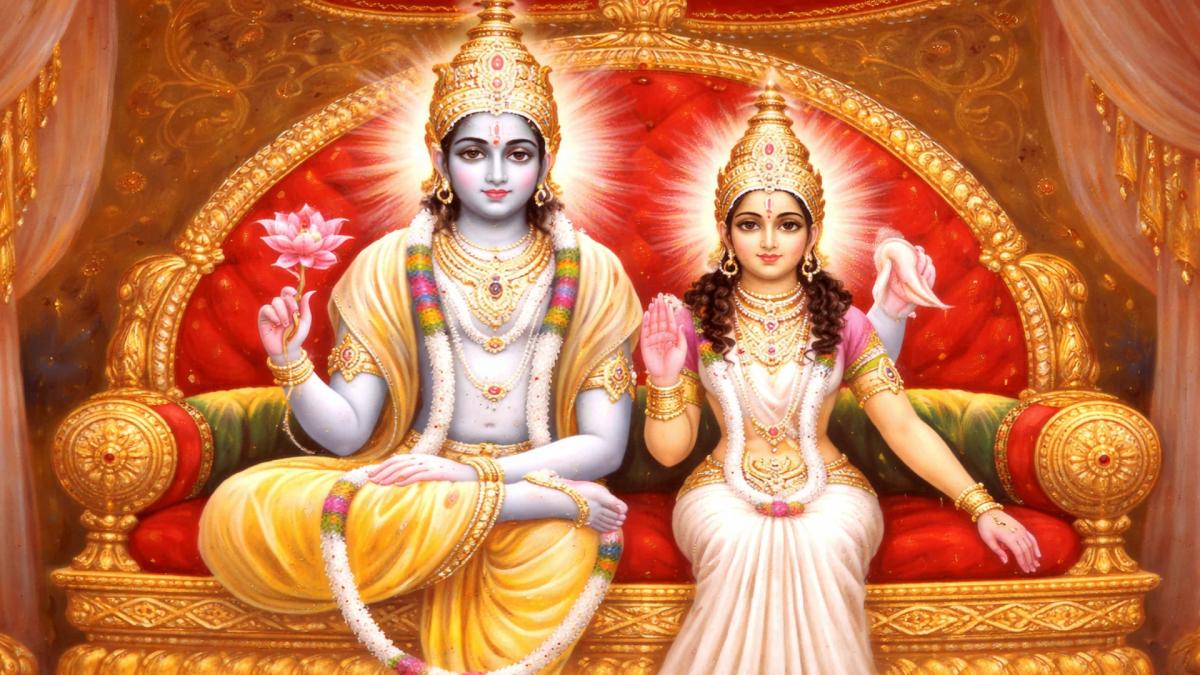
Saphala Ekadashi will be observed starting 3 January, marking a spiritually uplifting fast dedicated to Lord Vishnu.
According to the Vaishnava calendar, fasting for Saphala Ekadashi begins on 3 January at 7:16 AM.
Parana Timing Details
The Parana (fast-breaking) should be done on 4 January between 7:16 AM and 10:46 AM.
These timings ensure that devotees observe the Ekadashi fast correctly as per Vaishnava guidelines.
Saphala Ekadashi Vrat Katha (Story)
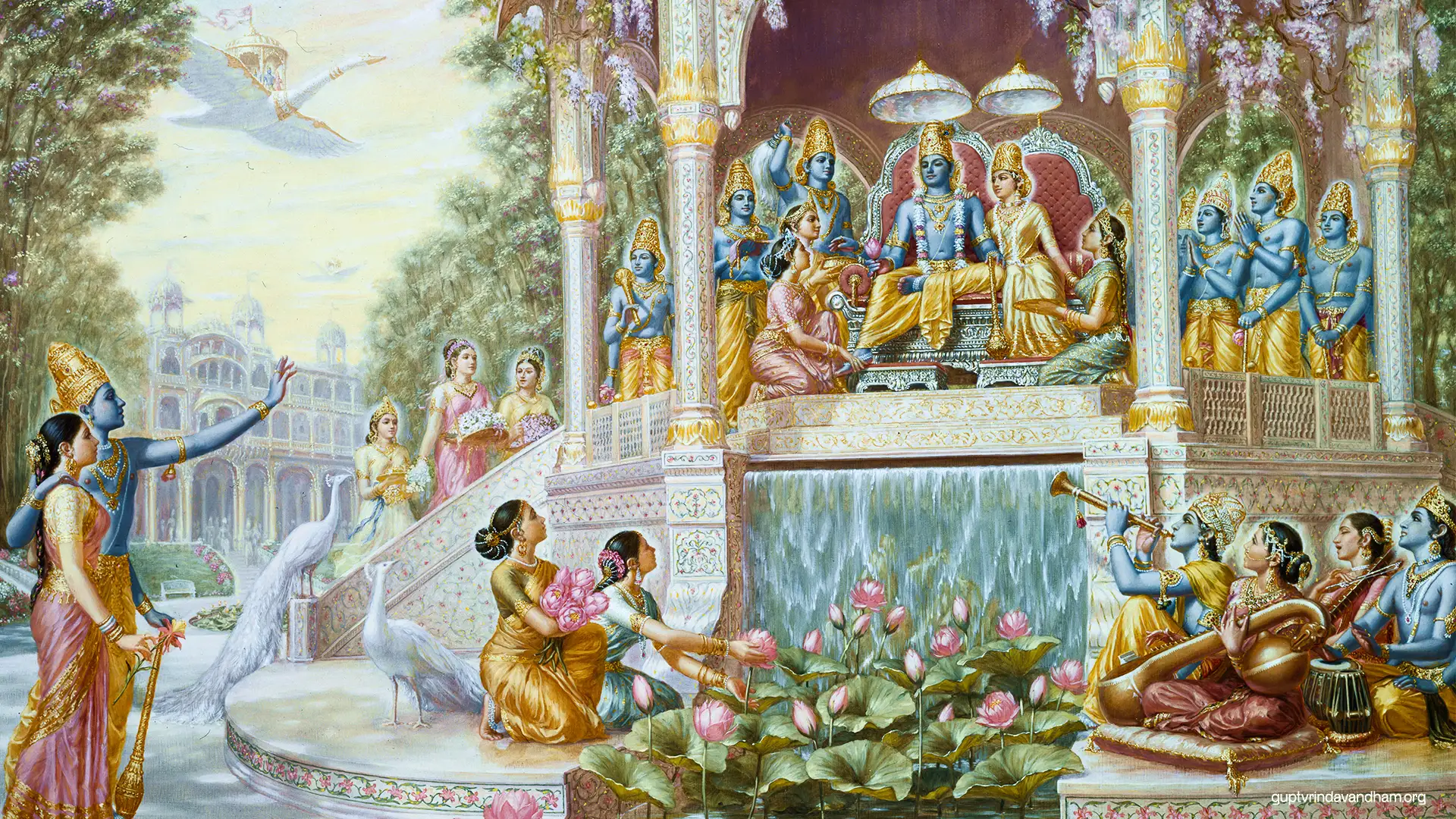
Once, King Yudhishthira asked Lord Krishna about the Ekadashi that falls during the Krishna Paksha of the Pausha month. He wished to know its name, procedure, and the blessings received by observing it.
Lord Krishna replied that this sacred fast is known for bringing success, good fortune, and spiritual upliftment to anyone who follows it with sincerity.
To describe its greatness, Krishna narrated an ancient story from the city of Champaavati, ruled by King Mahishmata. The king’s eldest son, Lumpaka, lived a sinful and irresponsible life. He spent his time gambling and engaging in wrongful deeds, showing disrespect toward devas, brahmanas, and devotees. After several warnings, the king finally banished him from the kingdom.
Lumpaka began living in the forest, enduring harsh conditions. During the day, he hunted animals, and at night he returned to the city to steal. He stayed under a banyan tree that was unknowingly sacred to Lord Vasudeva.
One year, on the night before the holy fast, a severe cold wave struck. Unable to sleep, Lumpaka stayed awake the entire night. The next morning, on Ekadashi, he was extremely weak and couldn’t hunt for food.
Instead, he gathered a few fallen fruits and, with a troubled heart, placed them at the base of the banyan tree as an offering.
Due to the freezing night, he again remained awake—unknowingly completing the full observance of the fast.
Even though he had no intention to perform any spiritual practice, the sincere offering and the natural austerities he underwent pleased Lord Vishnu. His suffering and helplessness purified his heart, and the Lord accepted his devotion.
The next morning, Lumpaka found a beautiful horse standing before him. A divine voice instructed him to return to his kingdom, declaring that his sins were washed away and his fortune restored.
When he returned, his father welcomed him with affection and forgiveness. Lumpaka, now transformed and humble, began leading a righteous life devoted to Lord Krishna. In time, the king appointed him as the ruler. He reigned wisely for many years, faithfully observing every Ekadashi. Eventually, he handed over the kingdom to his son and spent his final years in devotion, ultimately attaining liberation.
Concluding the story, Lord Krishna told Yudhishthira that even an accidental observance of this fast brings immense spiritual merit. Simply hearing or reading this katha grants blessings equal to performing a great yajna and elevates the soul toward a higher destiny.
What to Do on Saphala Ekadashi
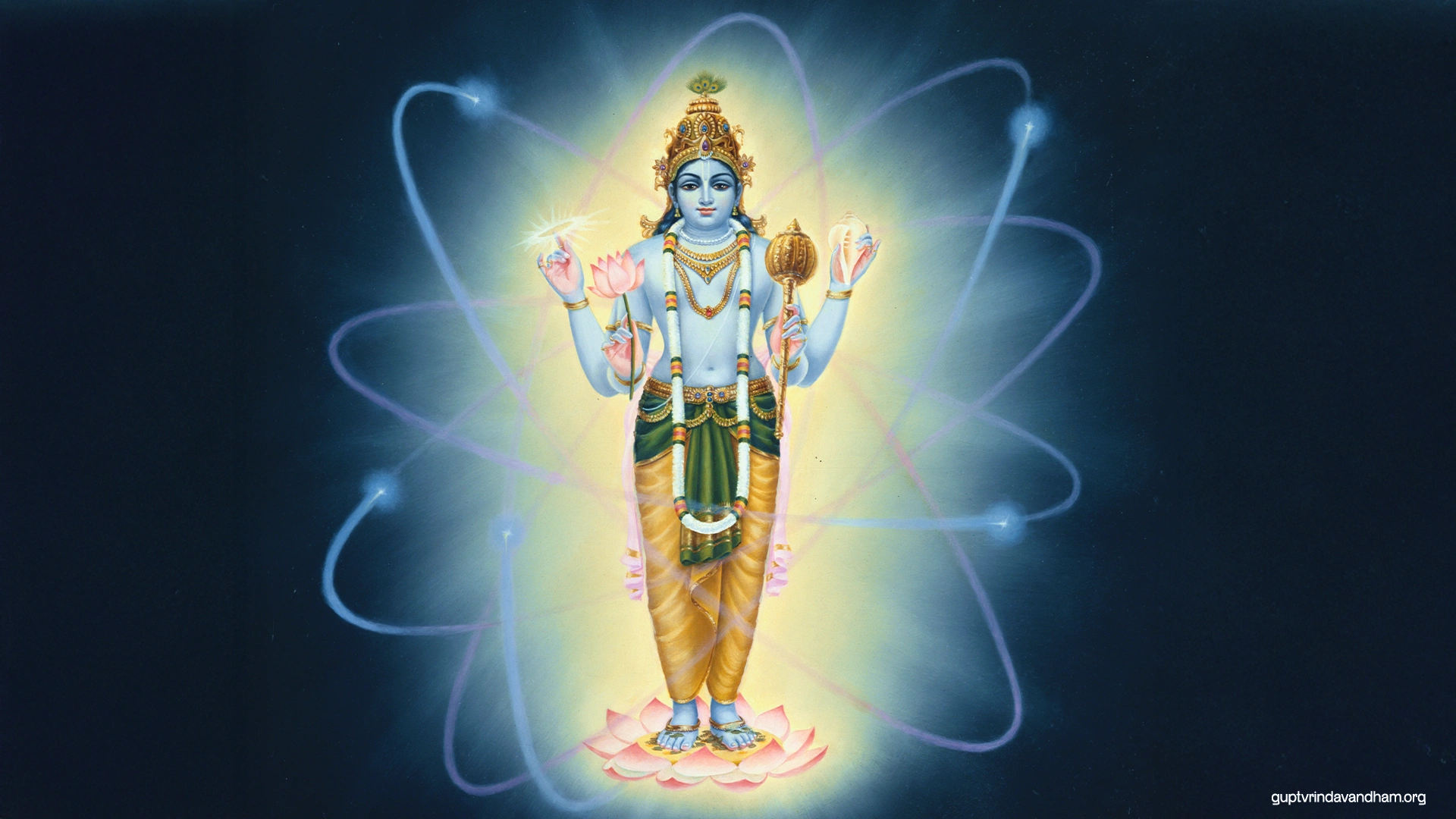
Do’s of Saphala Ekadashi Vrat
Here are the key practices mentioned across Vaishnava teachings:
-
Wake up early (Brahma-muhurta) and take a holy bath.
-
Offer sankalpa (vow) to observe Ekadashi vrat.
-
Clean and decorate the altar, offer flowers, Tulasi leaves, and bhog.
-
Chant a minimum of 16 rounds of the Mahamantra if following ISKCON standards.
-
Read sacred scriptures like Bhagavad Gita or Srimad Bhagavatam.
-
Spend the day in kirtan, bhajan, or mantra meditation.
-
Maintain a calm, peaceful, and pure mind throughout the day.
-
Avoid unnecessary talk, social media, or distractions.
Puja Steps & Worship Guidelines
Follow these steps to perform Saphala Ekadashi puja at home or temple:
-
Purification:
Bathe, wear clean clothes, clean the altar, and light a ghee lamp. -
Invocation:
Offer pranam to Lord Vishnu/Krishna and request Him to accept your worship. -
Offerings:
-
Panchamrita
-
Scented water
-
Flowers
-
Tulsi leaves
-
Incense
-
Lamp
-
Fruits & Ekadashi bhog
-
-
Kirtan & Chanting:
Sing bhajans like “Om Namo Bhagavate Vasudevaya” or perform Tulasi arati. -
Scripture Reading:
Read Bhagavad Gita Chapter 12 or Srimad Bhagavatam stories of devotion. -
Evening Arati:
Offer lamp, flowers, and Tulsi again with folded hands. -
Night Vigil (Optional):
Many devotees stay awake and chant — considered very auspicious.
Foods to Eat & Avoid
Allowed:
-
Fruits, dry fruits
-
Milk, buttermilk, curd
-
Coconut, peanuts
-
Sabudana, vrat atta
-
Rock salt
-
Potatoes, sweet potatoes, lauki, pumpkin
-
Home-made Ekadashi-friendly dishes
Avoid:
-
Rice, wheat, all grains
-
Pulses, beans, lentils
-
Onion, garlic (tamasic)
-
Outside food or processed food
-
Alcohol, tobacco, tea/coffee (if strict fast)
-
Meat, eggs (strictly prohibited)
What to Donate on Saphala Ekadashi
Recommended Donations
Ekadashi donations bring multiplied benefit.
Traditionally recommended items include:
-
Food donation (Anna-daan)
-
Clothes for the needy
-
Blankets (Paush month is cold)
-
Ghee, fruits, or grains
-
Cow protection (Go-seva)
-
Seva contributions to temples
-
Bhagavad Gita or devotional books
-
Supporting Prasadam distribution
Spiritual Benefits of Dana on Ekadashi
As per Dharma Shastras and traditional teachings:
-
Charity on Ekadashi removes poverty and misfortune
-
It grants prosperity and overall success
-
It enhances the spiritual merit of the fast
-
Donating with a pure heart helps burn past karmic reactions
-
It pleases Lord Vishnu, who is known as “Dana-priya” — lover of charity
Best Time for Donation (Muhurat Insight)
-
Donations should ideally be given during Ekadashi Tithi itself.
-
Morning (after puja) is the most auspicious period.
-
Evening time after sunset is also favorable.
-
Avoid giving charity during Rahukaal.

Conclusion
Saphala Ekadashi is a highly auspicious opportunity for devotees to receive Lord Vishnu’s blessings, purify the mind, and progress spiritually. By fasting sincerely, remembering the Lord through chanting, following puja guidelines, and offering charity, a devotee experiences both inner peace and outer success — the true meaning of Saphala, “fruitful.”