
 Donate Now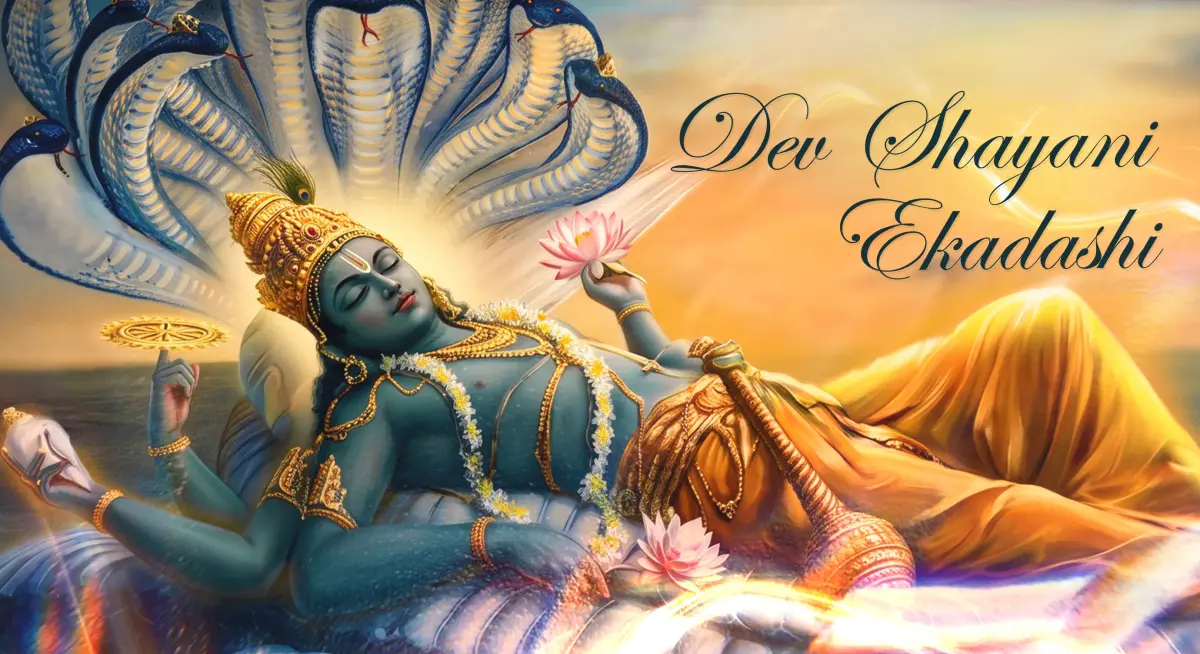
Have you ever thought about what Devshayani Ekadashi is and why it is said that Lord Vishnu enters Yoga Nidra for four months on this day? This guide will answer all your questions.
Devshayani Ekadashi, also known as Shayani Ekadashi, will be observed on 25th July 2026. It is a highly revered day for Vaishnavas, as it marks a major turning point in the Hindu calendar: Lord Vishnu, the maintainer of the universe, enters Yoga Nidra. During this period, devotees deepen their remembrance of the Supreme Lord, Vishnu, through hearing, chanting, and devotional service.
This Ekadashi always falls on the 11th lunar day of the waxing moon, known as Shukla Paksha, in the Ashadha month, between June and July.
What is Devshayani Ekadashi?
The meaning of Devshayani Ekadashi is quite similar to its pronunciation. Dev means the Lord, and Shayani means resting. Therefore, it means the divine day on which the Lord of the universe enters Yoga Nidra, while remaining present as the Paramatma within every living being.
In addition, it is known by several other names, such as Ashadhi Ekadashi, Hari Shayani Ekadashi, Padma Ekadashi, Maha Ekadashi, Devpodhi Ekadashi, and Vishnu Shayani Ekadashi. In South India, it is called Tholi Ekadashi because it is the first Ekadashi of the sacred period.
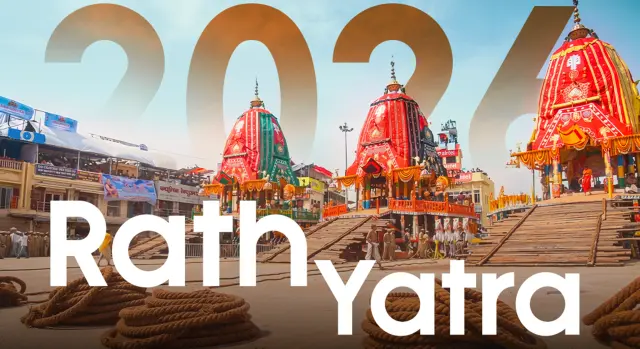
It is always observed after the sacred Jagannath Rath Yatra of Puri. On this day, devotees observe a fast and remind themselves to slow down in life and connect deeply with the Supreme Lord.
Devshayani Ekadashi Vrat Katha
According to Vedic scriptures such as the Bhavishyottara Purana and Padma Purana, Lord Krishna Himself narrated the significance of Devshayani Ekadashi to King Yudhishthira, which was originally imparted by Lord Brahma to Sage Narada.
Yudhishthira asked, “O Lord Krishna! What is the significance of the Ekadashi that occurs during Shukla Paksha in the month of Ashadha? Kindly tell me how I should observe this Ekadashi to attain the mercy of the Supreme Lord, Vishnu.”
Lord Krishna said, “O Yudhishthira, Devshayani Ekadashi is one of the best days in this Kali Yuga, which offers salvation to all beings.”
There is an ancient story associated with this sacred Ekadashi.
Once, there was a king of the Ikshvaku dynasty named Mandhata. He was truthful, ascetic, kind, compassionate, and a great emperor. For a long time, his land was never affected by any natural disaster, but one day, his kingdom was struck by a severe calamity, leaving the people hungry due to a lack of food.
No yajnas or rituals were performed in the kingdom. Seeing this and facing daily hardship, the people went sorrowfully to King Mandhata. After meeting the king, they told him that the main reason for the food shortage was the lack of rain.
The people requested the king to do something, as the famine was causing great suffering in the kingdom. They said that if it did not end soon, they would have no choice but to seek help from neighboring kingdoms.
The king listened to his people carefully and accepted that they were right. He knew the situation was serious, but he also assured them not to worry, saying that he was doing his best and would soon find a solution.
After hearing this, the people went away. Then King Mandhata worshipped Lord Vishnu and undertook severe penance with a small group. He sought help from several religious retreats of revered saints and sages and finally reached the hermitage of Rishi Angira, the mind-born son of Lord Brahma.
The Brahmin Rishi had completed all his rituals, and when he saw the king approaching, he offered his respects and blessed him. After this, he asked the king the purpose of his visit.
The king narrated the whole story and explained the famine that had caused great suffering in his kingdom. He also said that he had always ruled his kingdom with good karma, yet his people were still suffering. He then requested the Rishi to give him a solution to remove the suffering of his people.
After listening to this, Rishi Angira replied in a gentle voice, “O King! In this age of Satya Yuga, all four pillars of Dharma, namely truthfulness, compassion, austerity, and cleanliness, are untouched. This era is the most virtuous of all eras. In this era, only a Brahmin is designated to undergo penance, but a Shudra is also doing so. Due to this transition of roles, there is no rain in your kingdom. To get rid of the problem, you need to execute the Shudra; until that is done, your kingdom will suffer.”
The king replied, “O Maharishi! I cannot kill an innocent Shudra who is performing penance. Taking the life of an innocent person is against my principles. Please suggest another way to get rid of this sin.”
Seeing this, the Rishi said, “O King! There is another way. Observe the Devshayani Ekadashi fast in the Shukla Paksha of Ashadha with proper rituals.”
On hearing this advice, the king became confident and returned to his city. He observed the Devshayani Ekadashi fast with proper rituals. As a result, the rain returned to the kingdom, freeing the people from famine.
Devshayani Ekadashi and Its Connection with Chaturmas
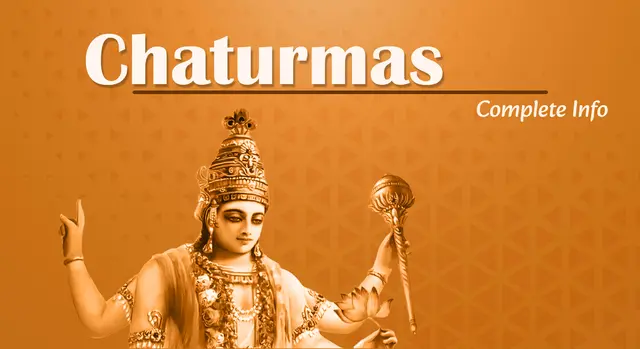
Devshayani Ekadashi marks the start of the sacred Chaturmas period, ushering in the holy season. It is believed that on this day, Lord Vishnu enters Ksheer Sagar, the cosmic ocean, to rest for four months. Moreover, as the sustainer of the universe rests, all auspicious ceremonies and celebrations, such as housewarmings and weddings, are put on hold until Devuthani Ekadashi.
However, Lord Vishnu's sleep is not a literal sleep but Yoga Nidra, which signifies renewal and reminds devotees to slow down, look inward, and deepen their spiritual practices during the rainy season. In older times, revered sages would sit in one place to avoid disturbing insect life, using this period to gain spiritual insight and knowledge.
Interesting Beliefs Associated with Devshayani Ekadashi
Beyond the Vrat Katha, several fascinating beliefs are woven into the sacred day of Devshayani Ekadashi. One of the most popular beliefs holds that Lord Vishnu spends His four months of Yoga Nidra in Sutala, at the doorstep of King Bali, a tradition rooted in the story of Lord Vishnu’s Vamana avatar.
In Maharashtra, this day comes alive through the massive Pandharpur Wari Yatra, where thousands of devotees walk barefoot to reach the shrine of Lord Vitthal, a beloved form of Lord Vishnu, to seek His blessings.
Moreover, according to some scriptures, the day of Shayani Ekadashi is also linked to the legend of Shankhasura, a demon whom Lord Vishnu defeated to protect the sacred Vedas, after which the Lord is said to have entered His long Yoga Nidra.
Significance of Daan on Devshayani Ekadashi
Charity holds a significant position in Hinduism, as it is a divine opportunity given by the Lord to purify karma and attract spiritual abundance through serving others.
According to Vedic scriptures, donating food grains, water, and clothes on this day is considered very auspicious.
It is also said that acts of compassion performed on Ekadashi carry lifelong spiritual benefits, making it one of the most blessed days of the year.
At Gupt Vrindavan Dham, Devshayani Ekadashi is celebrated every year with full devotion and compassion. On every Ekadashi, the temple organizes free prasadam distribution for devotees and holds vibrant Harinam Sankirtan on the premises.
Visit and contribute your help, whether small or big. Join in serving Lord Krishna’s devotees, an act that the Lord loves and appreciates the most.
Offer Your Seva on Devshayani Ekadashi
Conclusion
Devshayani Ekadashi is far more than a day of fasting; it is a day of remembrance, a time to pause, reflect, look inward, and offer prayers to Lord Vishnu.
From King Mandhata’s observance to the present day, when thousands of devotees walk barefoot to the Vitthal temple, this sacred day has held a special place in the hearts of devotees.
Among all Hindu festivals, this day is a pure reflection of devotion and self-realization. As Chaturmas begins, may this Devshayani Ekadashi bring peace, faith, and blessings into your life.