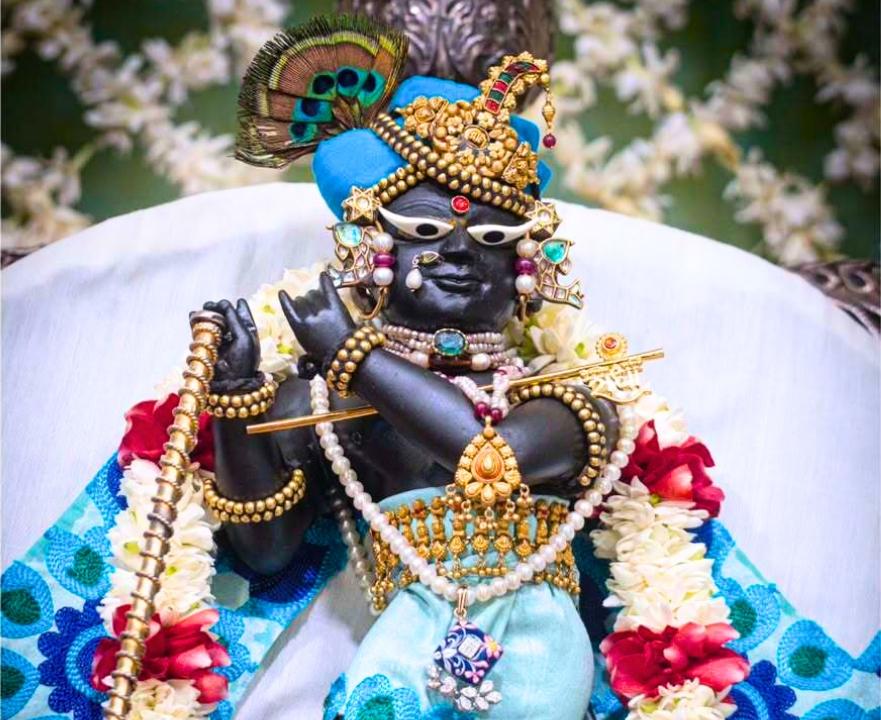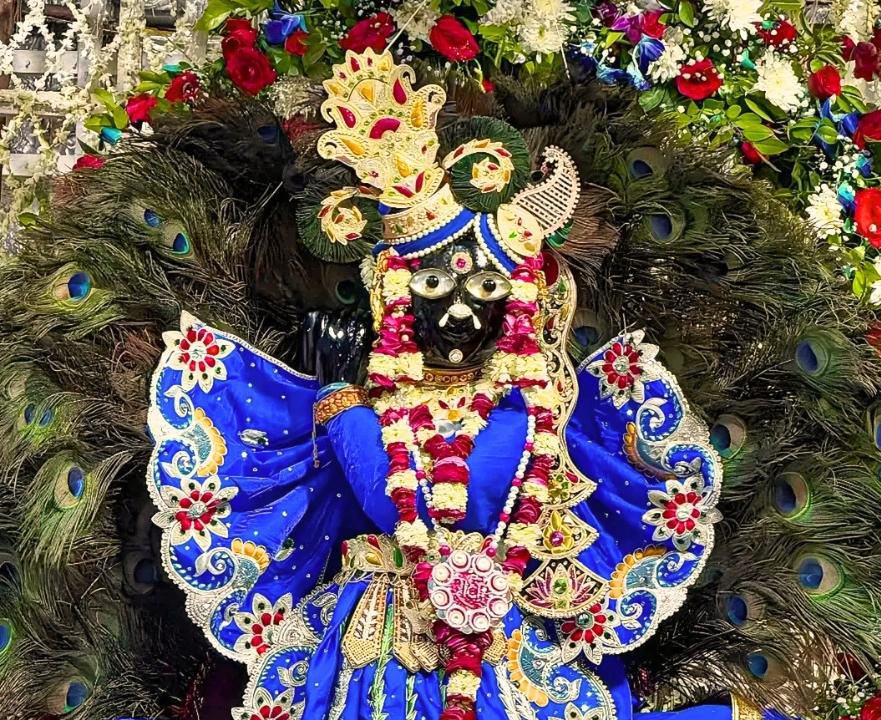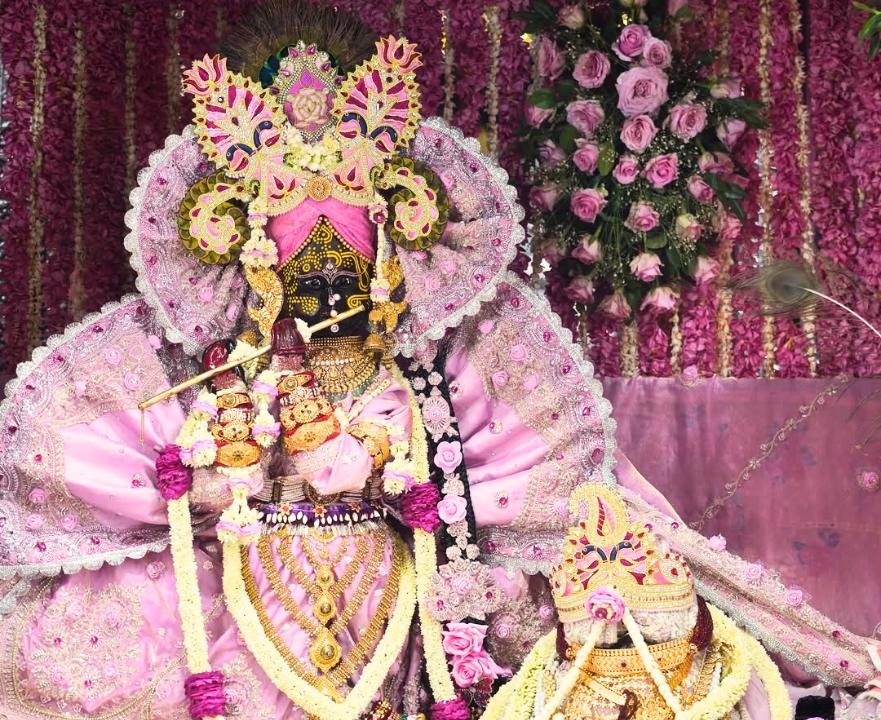


That's wonderful place for growth your mind and load krishna attachment.
Temple
Imlitala Temple, Vrindavan
Major Deities: Shri Chaitanya Mahaprabhu • Shri Radha Gopinath • Shri Nitai Gauranga
Imlitala Temple is a sacred Yamuna-side place in Vrindavan, where Shri Chaitanya Mahaprabhu performed bhajan beneath the ancient tamarind tree, absorbed in chanting Lord Krishna’s holy names.
Location
SEVAKUNJ MARG, Sri Premanand Rd, Gotam Nagar
Founded
Sacred site later developed by Gaudiya Vaishnav acharyas.
Architecture
Simple Gaudiya temple beside ancient sacred tamarind tree.
History & About
Imlitala Temple stands near the Yamuna on Vrindavan’s Parikrama Marg, close to the old ghats and sacred lanes. The name comes from the ancient imli, or tamarind, tree connected with the pastimes of Shri Krishna and Shri Radha. Devotees also honour this place for Shri Chaitanya Mahaprabhu, who is said to have sat here absorbed in Harinam and divine remembrance.
Tradition says Shri Krishna once sat beneath this tamarind tree in deep separation from Shri Radha. Centuries later, Shri Chaitanya Mahaprabhu visited this Yamuna-side place during His Vrindavan stay and performed Harinam here with great devotion. Today, the temple preserves that sacred memory through the worship of Shri Chaitanya Mahaprabhu, Shri Radha Gopinath, and Shri Nitai Gauranga.
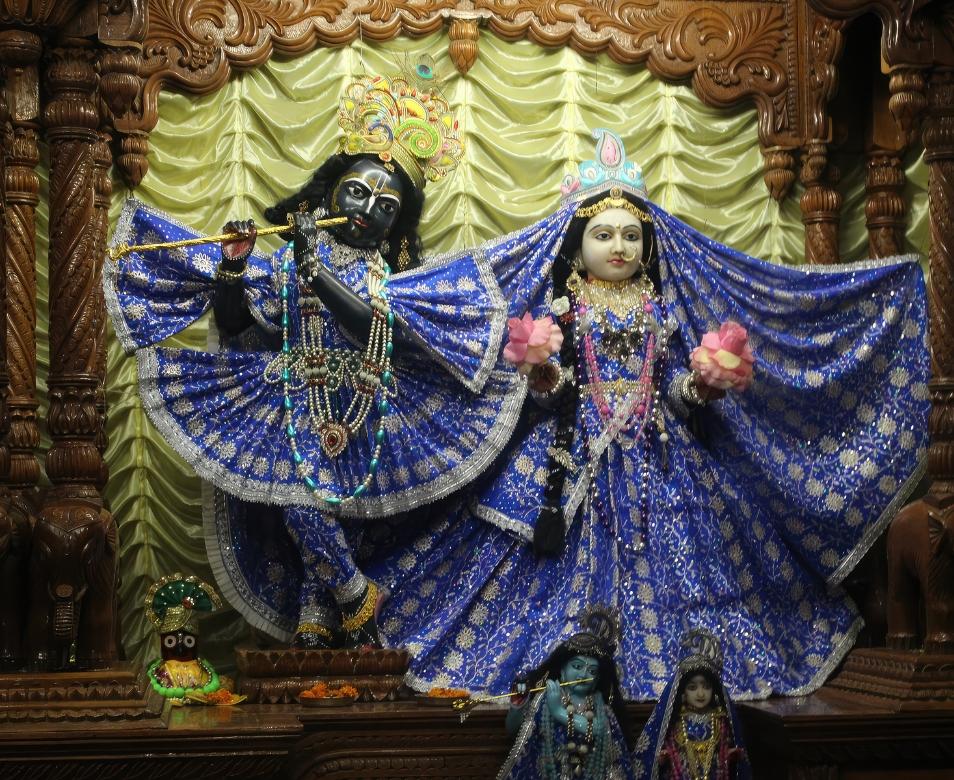
Temple Photos
Location and How to Reach Imlitala Temple, Vrindavan
Address
SEVAKUNJ MARG, Sri Premanand Rd, Gotam Nagar, Vrindavan, Uttar Pradesh, 281121, India
Plan Your Visit
Live location, timings and reviews from Google Maps.
Imlitala Mandir, Vrindavan
4.8(353 Google reviews)
AddressSEVAKUNJ MARG, HMMV+9P3, Sri Premanand Rd, Gotam Nagar, Vrindavan, Uttar Pradesh 281121, India
Opening HoursSame timings all 7 days
Monday · 2 darshan slots
- Morning7:00 AM – 12:30 PM
- Afternoon4:00 – 9:00 PM
Photos
Reviews
4.8
Write a reviewBased on 353 reviews on Google
View on Google

Temple maintenance good Beware of monkeys Imlitala Temple, Vrindavan, a site of deep historical and spiritual significance located on the banks of the Yamuna River. The temple is centred around the sacred "Imli" (Tamarind) tree visible in your photo, which has a history dating back over 5,000 years. Chaitanya Mahaprabhu’s Arrival: This is the exact spot where Chaitanya Mahaprabhu sat and meditated when he arrived in Vrindavan in 1515. It is said that sitting under this tree helped him experience the same "Viraha" (intense longing) that Radha felt for Krishna. Radha’s Legend: According to tradition, during the Maharaas, Srimati Radharani sat under this very tamarind tree when she felt separated from Krishna. Her golden complexion is said to have turned the tree's dark bark to a lighter colour. The Tree's Survival: Despite its ancient age, the tree is still standing and is considered a "Kalpavriksha" (wish-fulfilling tree) by devotees. The Deities: Inside the temple complex, you can find the beautiful deities of Shri Radha Madanmohan and a special deity of Chaitanya Mahaprabhu in a sitting posture, commemorating his time spent here.

Stayed here for 2 days, it's a small ashram.Talking about the rooms, starts from 500rs (non AC) . We booked a room for 650rs . The washroom of not every room is functional,so make sure that you check it. Food is provided here at 70rs per meal,which imo is affordable.Full sattvik bhojan.

Imli Tala means tamarind tree. During Maharaas Leela, when Radha Rani disappeared, then Shri Krishn sat under this tamarind tree and chanted Radha Naam and meditated intensively the form of Radha Rani and hence he attained Radha Rani here. Hence the place is famous as Imlitala. Shri Radharani's Abhishek also took place here. Chaitanya Mahaprabhu also assumed the body color of Lord Krishna while sitting under this tree chanting the names of Lord Krishna in an ecstatic feeling of separation. Here Lord Chaitanya came daily from Akrura Ghat to retire and to sit under the Imli Tala at the Yamuna. Today a very nice deity of Lord Chaitanya is installed under this tree.

"At the time of Kṛṣṇa’s pastimes in Vraja, the ancient imlī (tamarind) tree that stood here was enormous. That tree has since disappeared, and a new imlī tree stands in its place. Midway through rāsa-līlā, Śrī Kṛṣṇa disappeared in order to dispel the other gopīs’ pride in their good fortune (saubhāgya-mada) and to soothe Priyājī’s māna. He followed Priyājī to Śṛṅgāravaṭa, where He began to decorate Her with flowers. At that time, the other gopīs, who were searching for Kṛṣṇa, came closer to the place where Rādhikā and Kṛṣṇa were. Śrī Kṛṣṇa requested Priyājī to leave with Him, but She said, “I am unable to walk. You can carry Me on Your shoulders.” Kṛṣṇa squatted down, indicating that Priyājī should sit on His shoulders. Just as She went to do this, Kṛṣṇa disappeared again. Now, She also called out in separation, “O Nātha, O Ramaṇa!” and fell down unconscious. The other gopīs became very distressed to see Her in this condition. Having left Śrīmatī Rādhikā, Śrī Kṛṣṇa began to feel deep separation from Her. Sitting under an imlī tree on the bank of the Yamunā, He became so absorbed in thinking of Her that His bodily lustre turned golden like Hers. In connection with this incident, our most worshipful oṁ viṣṇupāda Śrī Śrīmad Bhakti Prajñāna Keśava Gosvāmī Mahārāja has presented a wonderful verse that penetrates the heart: rādhā-cintā niveśeṇa yasya kāntir vilopitā śrī-kṛṣṇa-caraṇaṁ vande rādhāliṅgita vigraham Śrī Rādhā-vinoda-bihārī Tattvāṣṭakam (Text 1) “I worship the lotus feet of the form of Śrī Kṛṣṇa that manifests when He is thoroughly immersed in separation from Śrīmatī Rādhikā (who is displaying māna, Her mood of jealous anger), or when He is embraced by Śrīmatī Rādhikā (after Her māna is broken). At these times‚ His own dark complexion vanishes and He assumes Her bright, golden lustre.” The transcendental sentiments that lay within the heart of Śrī Gurupādapadma are profound and full of excellent siddhānta. It is the bhāva of the mañjarīs, the maidservants of Śrīmatī Rādhikā, to feel that Kṛṣṇa should indeed experience great distress when He is separated from Śrīmatī Rādhikā. They become very pleased to see this distress, and arrange Kṛṣṇa’s meeting with Rādhā at that time. This bhāva is prominent in Śrī Rūpānuga Gauḍīya Vaiṣṇavas. While visiting Vraja some five hundred and fifty years ago, Śrī Caitanya Mahāprabhu resided for several days at Akrūra-ghāṭa. Daily, He would come to this very beautiful Imlītalā-ghāṭa on the bank of the Yamunā, where He was immersed in bhāva as He chanted the holy names of the Supreme Lord Hari. He bestowed His mercy upon the Rājapūta Kṛṣṇadāsa here. One day, while Mahāprabhu was staying here, some people requested Him to come to Kālīya-hrada and take darśana of Śrī Kṛṣṇa, who they said was again manifesting His pastimes there at night. Mahāprabhu told them to wait for a few days. Nonetheless, crowds of people began to throng to Kālīya-daha at night. At last, it became evident that the spectacle on the Yamunā was nothing more than some Muslims in a boat catching fish. A light was burning on the bow of the boat. When the fishermen on the bow stood up and moved about, it appeared as if someone was dancing. The boat looked like a serpent, and the burning light like the serpent’s jewel. When the facts were revealed, Mahāprabhu said to the people, “Bhagavān Śrī Kṛṣṇa does not manifest such pastimes before the masses of ordinary people of Kali-yuga. Such pastimes appear only in the hearts of pure devotees.” Some days later, Śrī Caitanya Mahāprabhu and Śrī Vallabha Bhaṭṭācārya proceeded to Nīlācala via Sauroṅ and Prayāga. It is said that several years ago someone cut into a branch of the ancient imlī tree here and blood oozed from it. The person who severed the branch realised that he had committed an offence and repeatedly prayed for forgiveness. Residents of the dhāma believe that liberated great souls (siddha mahātmās) are still performing bhajana in Vṛndāvana in the form of the trees and creepers." Excerpt from the book 'Sri Vraja-mandal Parikrama' by Srila Bhaktivedanta Narayana Maharaja
Upcoming Festivals
Nov
10
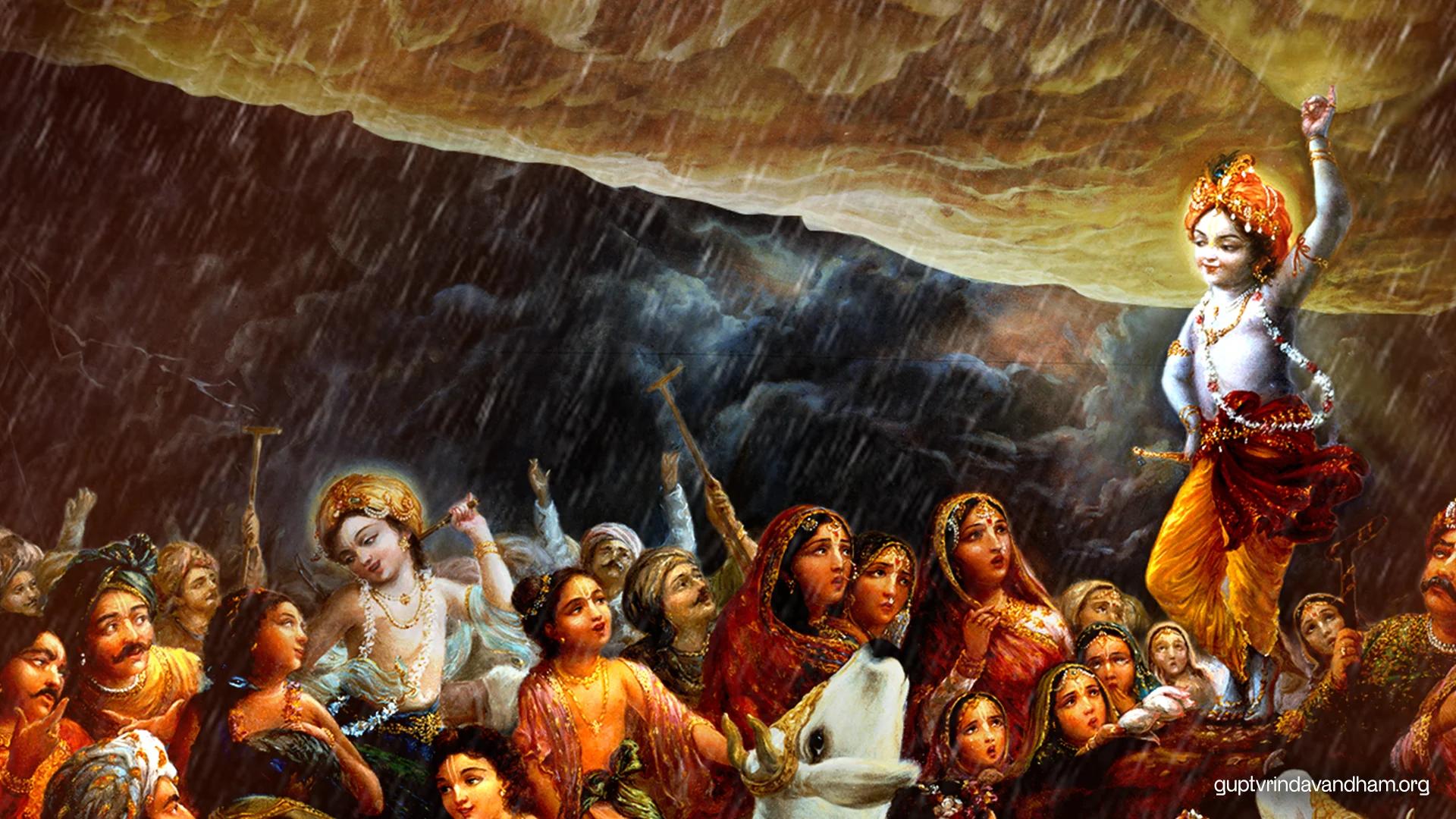
Govardhana Puja
Govardhana Puja is celebrated in the month of Kartika (October – November) to commemorate the pastime of Lord Sri Krishna lifting the Govardhana Hill to protect the residents of Vrindavana from the wrath of...
Dec
20
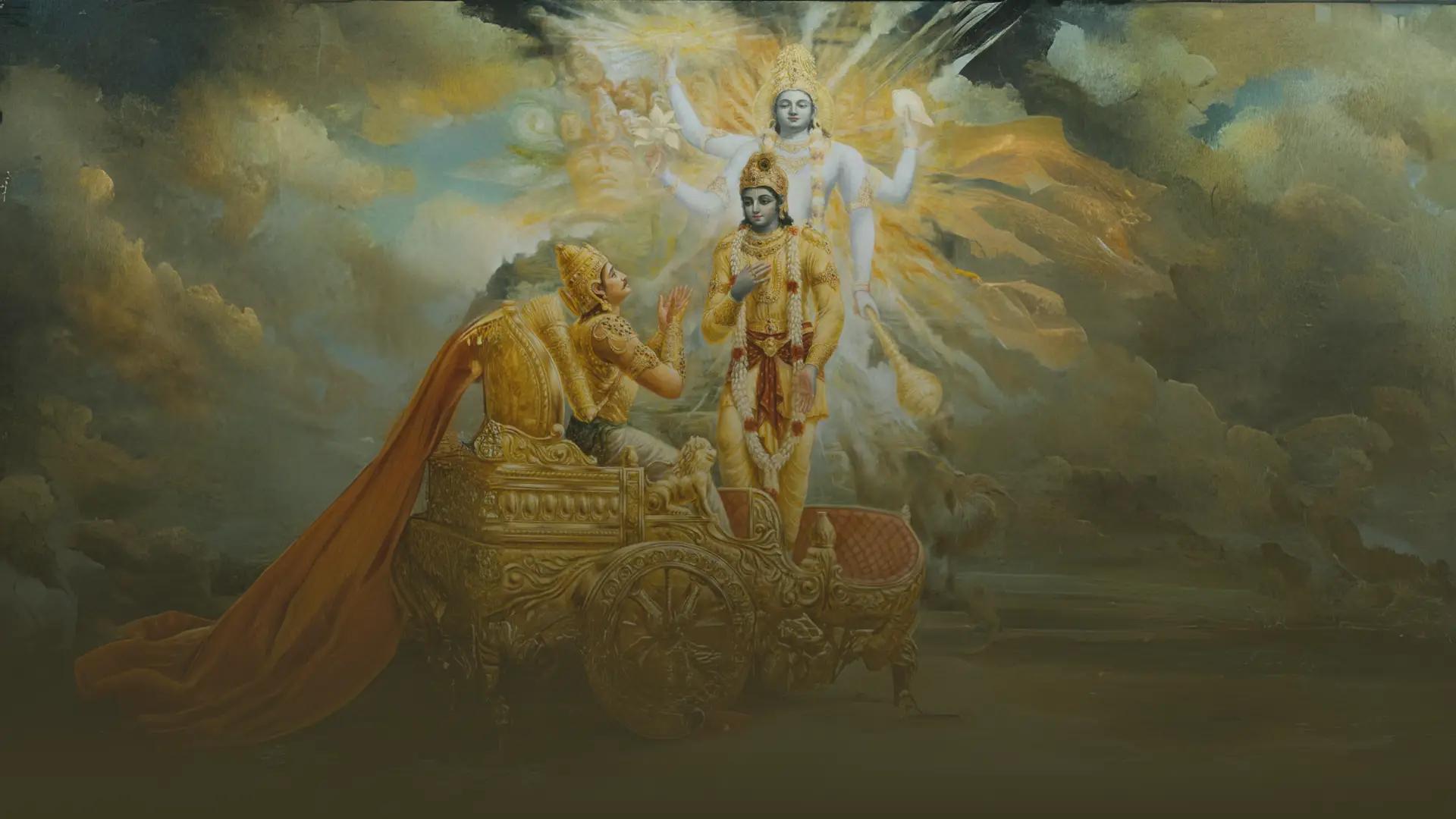
Gita Jayanti
Gita Jayanti is the auspicious day of the advent of Srimad Bhagavad-gita. This is the day on which Lord Krishna imparted the essence of Vedic knowledge to Arjuna over 5000 years ago and enlightened...