
 Donate Now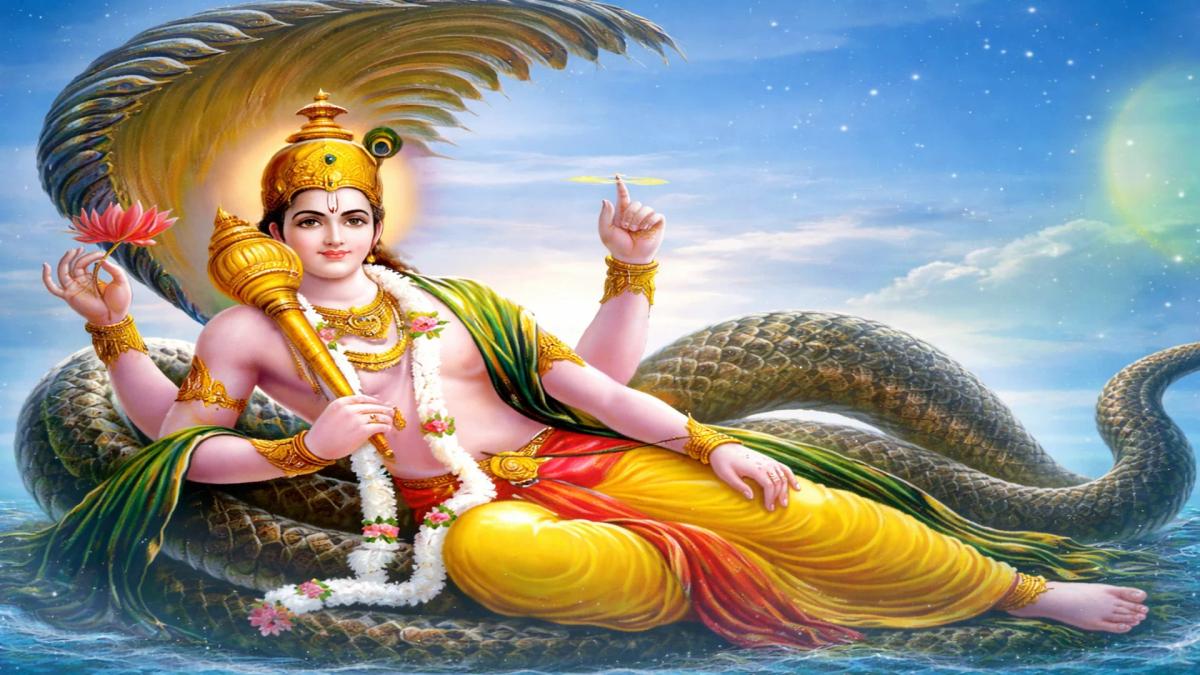
As you look toward the new year, are you asking yourself how you can make 2026 truly successful, meaningful, and happy? A beautiful opportunity to set this very intention is just around the corner with the arrival of Shattila Ekadashi.
On Wednesday, January 14, 2026, this sacred occasion offers you a chance to align your year with divine grace. This is no ordinary day; it is an observance deeply cherished by Lord Shri Krishna himself, making Shattila Ekadashi 2026 a perfect moment for your spiritual renewal.
Shattila Ekadashi, also revered as Trisprisha, Stilla, or Tilda Ekadashi, is a sacred observance in the Hindu tradition that falls on the eleventh day of the dark fortnight (Krishna Paksha) of the Magha month (January/February).
The name “Shattila” itself holds deep meaning, referring to the six specific ways sesame seeds (til) are utilized on this day for spiritual merit.
Date and Tithi: When to Observe Shattila Ekadashi in 2026
In 2026, Shattila Ekadashi will be observed on January 14th. According to the Hindu Panchang, this Ekadashi fast begins at 07:17 AM on January 14, 2026, and ends at 10:50 AM on January 15, 2026.
However, the day is observed on January 14, 2026, because of the importance of Udaya Tithi in the Hindu tradition.
It is essential to note that the exact timing can vary, and devotees should refer to the Panchang for accurate timings based on their location.
The fast begins at sunrise and ends at the next sunrise, broken at an appropriate time known as Parana.
The Meaning and Essence of Shattila Ekadashi
The term “Shattila” is a combination of “shat,” meaning six, and “tila,” referring to sesame seeds. This name encapsulates the essence of the Ekadashi, which is the six-fold use of sesame seeds for spiritual purification.
Sesame seeds are deemed sacred and are used in various forms during this day, symbolising purity and offering. The six ways in which sesame seeds are utilised on Shattila Ekadashi are:
- Bathing in water mixed with sesame seeds.
- Rubbing sesame seed paste on the body.
- Offering sesame seeds into the fire in sacrifice.
- Eating sesame seeds.
- Giving sesame seeds away in charity.
- Accepting charitable gifts of sesame seeds.
These acts are not merely rituals; they are believed to cleanse the body and mind, preparing the devotee for a deeper connection with the divine.
Significance and Importance: A Path to Spiritual Liberation
Shattila Ekadashi holds immense significance in the Hindu tradition for its potential to provide both material and spiritual benefits. This Ekadashi is observed as a way to achieve:
- Spiritual Purification: The fast, combined with the six-fold use of sesame seeds, is believed to cleanse the body, mind, and soul from the impurities of past actions.
- Devotion to Lord Vishnu: Shattila Ekadashi is dedicated to Lord Vishnu, and devotees observe the day to seek His blessings and grace.
- Self-Discipline: Fasting on Ekadashi helps individuals to control their senses, reducing attachment to material desires.
- Charitable Giving: Donating food, clothes, and sesame seeds on this day is considered a meritorious act that brings blessings and purifies the heart.
- Liberation: By following the prescribed practices with faith, devotees aim to attain spiritual liberation (moksha), breaking free from the cycle of birth and death.
- Prosperity and Well-being: The observance of this Ekadashi is believed to bring prosperity, good health, and spiritual awareness to the devotee.
Shattila Ekadashi Vrat Katha: The Tale of Devotion and Giving

The Shattila Ekadashi Vrat Katha is a narrative that emphasises the significance of both devotion and charity. The story, found in the Bhavishyottara Purana, involves a conversation between Dalbhya Rishi and Pulastya Muni, where Pulastya Muni explains how a devotee can escape hellish punishments through the observance of the Shattila Ekadashi fast and giving in charity.
The story recounts how Lord Krishna, disguised as a follower of Lord Shiva, visited a devoted Brahmin woman who had performed many austerities and fasts but never gave food in charity.
The woman, instead of giving alms, angrily threw a lump of mud into his begging pot. When the woman reached the spiritual world, she found a beautiful but empty home.
She was then told to seek guidance from the wives of the demigods about the significance of Shattila Ekadashi to furnish her home.
By following the teachings and observing the fast properly, the woman was able to transform her home into a beautiful and prosperous abode.
This tale underscores the message that true devotion requires both selfless worship and charitable giving.
Shattila Ekadashi Daan: The Significance of Charitable Giving
Daan, or donation, is an integral part of Shattila Ekadashi, symbolising compassion and humility. On this day, devotees are encouraged to give to the needy and Brahmins.
The act of giving is seen as the highest form of service, which ensures spiritual merit and liberation. The following are important donations that are traditionally given on Shattila Ekadashi:
- Sesame Seeds: In accordance with the name of the Ekadashi, sesame seeds hold great importance. Black sesame seeds are used for formal worship and fire sacrifices, while white or brown seeds are meant for eating. Donating both kinds of sesame seeds is considered particularly auspicious.
- Food: Donating food is the most essential act of charity. It is a way of directly addressing the needs of the hungry and is believed to accumulate significant spiritual merit.
- Clothes: Giving clothes to Brahmins and those in need is another important act that brings blessings and spiritual growth.
- Other Items: In addition to food, devotees can offer items like a pot of water (purna kumbha), an umbrella, a pair of shoes, and clothes to a qualified Brahmin.
- Cow Donation: Donating a black cow to a well-versed Brahmin, especially one who is knowledgeable in Vedic scriptures, is also seen as an auspicious act.
These donations are not just material gifts; they are offerings made with a sincere heart that purify the giver and receiver.

Observing Shattila Ekadashi on January 14, 2026
Mark your calendar for Wednesday, January 14, 2026, for the observance of Shattila Ekadashi. The heart of this sacred practice involves undertaking a fast (vrat) and following certain select rules that help guide your focus and conduct throughout the day. Approaching these principles with sincerity is the key to opening yourself to the full blessings of this occasion.
Frequently Asked Questions (FAQs) About Shattila Ekadashi
Q.1 What is Shattila Ekadashi?
Ans. Shattila Ekadashi, also known as Trisprisha Ekadashi, is a Hindu observance that occurs on the eleventh day of the dark fortnight (Krishna Paksha) of the Magha month (January/February). It is dedicated to Lord Vishnu and is characterized by fasting, acts of charity, and spiritual practices.
Q.2 When is Shattila Ekadashi in 2026?
Ans. Shattila Ekadashi will be observed on January 14, 2026. The Ekadashi tithi begins at 03:20 PM on January 13, 2026, and ends at 5:55 PM on January 14, 2025.
Q.3 What does "Shattila" mean?
Ans. “Shattila” is derived from "shat," meaning six, and "tila," referring to sesame seeds. It signifies the six ways sesame seeds are used for spiritual purification on this day.
Q.4 What is the significance of sesame seeds on Shattila Ekadashi?
Ans. Sesame seeds are used in six ways: bathing in sesame water, applying sesame paste, offering sesame in fire sacrifices, eating sesame, giving sesame in charity, and accepting sesame gifts. These practices are believed to purify the body and mind.
Q.5 What is the importance of fasting on Shattila Ekadashi?
Ans. Fasting is a key practice for spiritual purification, self-discipline, and devotion to Lord Vishnu. Devotees abstain from grains, beans, and certain vegetables.
Q.6 What types of fasting can be observed on Ekadashi?
Ans. There are four types of Ekadashi fasting:
- Jalahar: Fasting with only water.
- Ksheerbhoji: Fasting on milk and milk products.
- Phalahari: Fasting only on fruits, with high-quality fruits like mangoes, grapes, and bananas preferred. Leafy vegetables should be avoided.
- Naktabhoji: Having a single meal before sunset, avoiding grains, cereals, and beans. Staple foods include sabudana, singhda, shakarkandi, potatoes, and groundnuts.
- Nirjhal: Complete Fasting fro water and everything, often done on Nirjala Ekadashi but can be done on all Ekadashi days
Q.7 What is the Parana time?
Ans. Parana refers to the time to break the fast after sunrise on the next day of Ekadashi. For Vaishnava Ekadashi, the Parana time is 07:17 AM to 10:50 AM on January 15th. Parana should be done within Dwadashi Tithi and not during Hari Vasara.
Q.8 What is Hari Vasara?
Ans. Hari Vasara is the prohibited time to break the Ekadashi fast, which is the first one-fourth duration of Dwadashi Tithi. The fast should be broken after Hari Vasara ends.
Q.9 What should one do if the Ekadashi fast is broken?
Ans. If the fast is broken, then continue the fast for te remaining time of the ekadashi day and then follow the fast on dwadashi tithi, chan extra rounds of Hare Krishna Mantra and Pray to Lord.
Q.10 What are the activities that can be done on Ekadashi?
Ans. Activities include fasting, chanting and meditation, reading scriptures, hearing spiritual discourses, and selfless service.
Conclusion
Shattila Ekadashi on January 14, 2026, is more than just a date; it is a powerful opportunity for your spiritual progress and a chance to make your life more auspicious. Think of it as a divine invitation to begin your year with a pure heart, a focused mind, and the direct blessings of Lord Krishna. I wholeheartedly encourage you to embrace this sacred day for your own well-being and spiritual upliftment.