
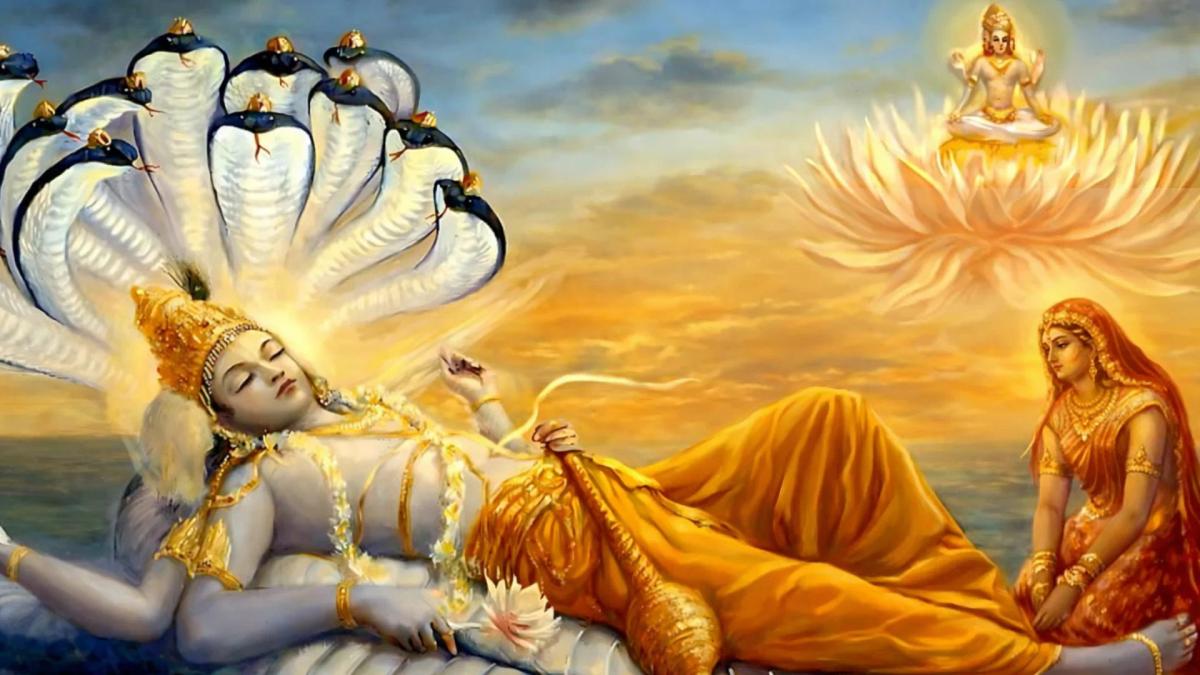
Pausha Putrada Ekadashi, falling on 31 December 2025, is a highly auspicious fasting day dedicated to Lord Krishna and observed for the blessings of progeny and family welfare.
The word Putrada means “giver of offspring,” making this Ekadashi especially meaningful for couples seeking children and for the protection and well-being of existing children.
Observed on the Shukla Paksha Ekadashi of the Pausha month, this vrat is believed to bring happiness, prosperity, and divine grace into one’s home.
Devotees observe fasting, offer prayers, chant holy names, and engage in charity to purify the mind and uplift their spiritual life.
Scriptures like the Padma Purana describe how sincere observance of this Ekadashi fulfills desires and supports peace, stability, and spiritual progress within the family.
Pausha Putrada Ekadashi Fasting Parana Times
The Parana time is from 7:15 AM to 10:45 AM on 31 December 2025, and the fast should be broken only within this window to receive full spiritual benefits.
Pausha Putrada Ekadashi Vrat Katha
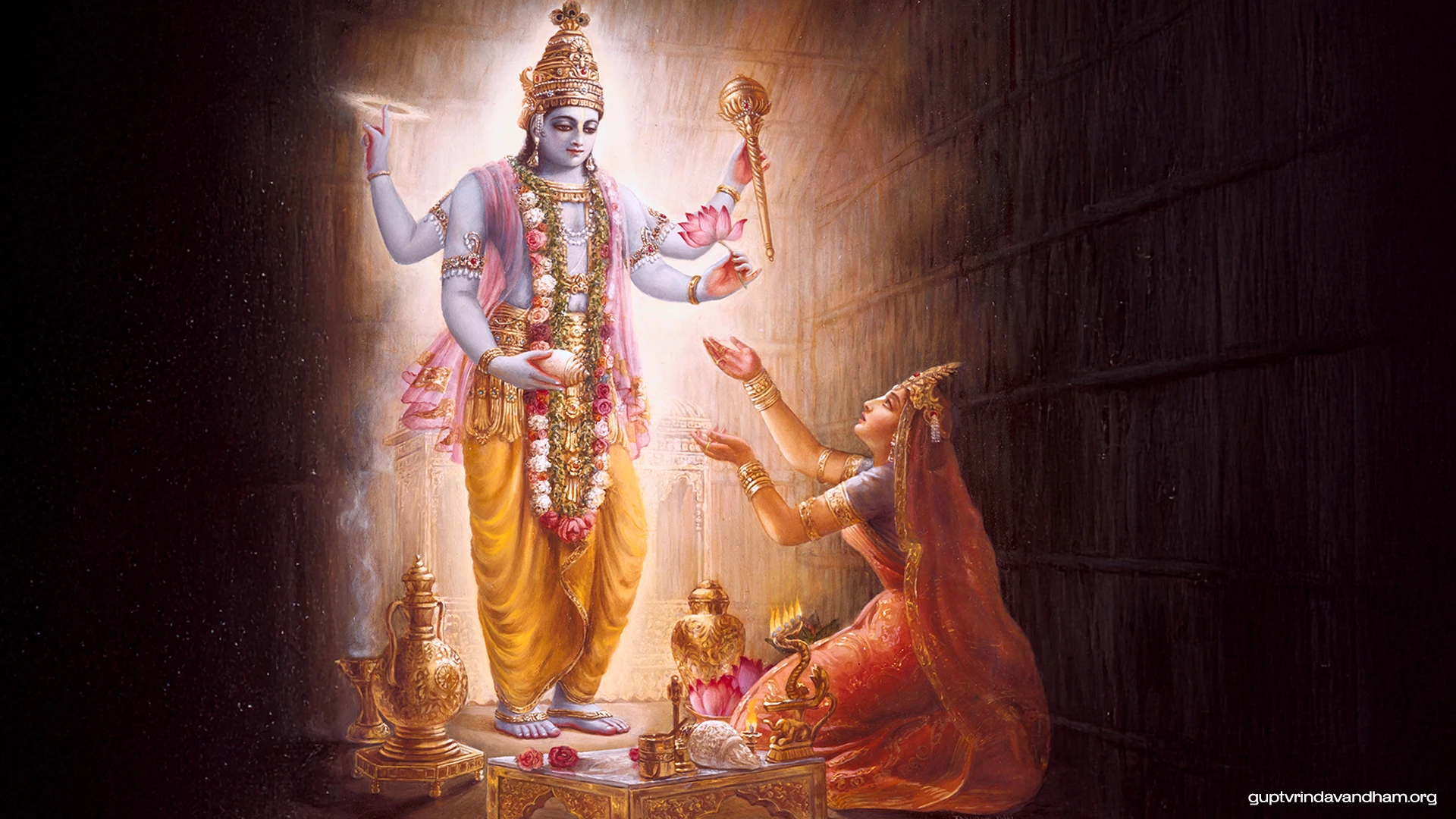
In ancient times, there was a prosperous kingdom named Bhadravati ruled by King Suketuman and his devoted queen, Shaibyaa. Although they possessed every form of wealth and comfort, their hearts remained burdened by one deep sorrow — the absence of a child.
Despite having a magnificent palace and loyal subjects, the king felt no joy in ruling. Day and night, he worried, “Who will inherit my kingdom after me? Who will continue our sacred lineage when we are gone?”
Even during religious ceremonies like Pindadaan for their ancestors, the king and queen were filled with pain. They wondered who would offer rituals for them in the future if they remained childless.
Their worry grew so intense that even the grandeur of their kingdom — elephants, horses, soldiers, wealth — felt empty. Nothing could fill the silent void inside their hearts.
Overwhelmed by sorrow, the king often isolated himself in the queen’s palace, thinking endlessly about how to obtain a pious son. His anxiety deepened to the extent that he began questioning the very purpose of his life.
One day, burdened by hopeless thoughts, he even considered ending his life. But realizing that suicide would lead to terrible consequences in the next world, he abandoned the idea and left the palace silently.
The king rode into a distant forest, unnoticed by his ministers or priests. Wandering through dense trees, he saw fig, bel, jackfruit, bakula, sal, tamala, and many other trees laden with fruits and flowers.
He also watched deer, elephants, lions, monkeys, and various animals moving through the forest, yet none of this natural beauty could ease the heavy pain in his heart.
As the day grew hotter, hunger and thirst troubled him severely. Exhausted, he wondered what sin he might have committed to suffer in such a way despite performing charity, yajnas, and good deeds throughout his life.
Eventually, by the merit of his past piety, the king reached the beautiful Manasarovar Lake. Pink lotuses bloomed across the shimmering water, and swans and ducks glided peacefully along the surface.
Near the lake, he noticed several ashrams of great sages whose presence filled the surroundings with purity. Their peaceful aura made him feel a gentle ray of hope after many days of despair.
The king dismounted his horse and approached them respectfully. The sages, pleased by his humility, blessed him and asked what sorrow troubled his heart so deeply.
With trembling words, the king confessed his greatest pain — his desire for a son. He explained that despite every effort, he remained childless and felt that his life had become hollow.
The sages revealed that they were the Vishvadevas, residing there to observe sacred rituals. They informed him that the day was Pausha Putrada Ekadashi, a holy day capable of fulfilling the desire for progeny.
Hearing this, the king’s heart filled with newfound hope. He begged the sages for guidance and requested their blessings with folded hands.
The Vishvadevas instructed him to observe the Ekadashi fast with full sincerity, promising that by the grace of the Supreme Lord and their blessings, he would surely be blessed with a virtuous son.
Trusting their words wholeheartedly, the king observed the Ekadashi vrat with full devotion and purity. For the first time in years, his mind felt calm and steady.
On Dwadashi morning, he offered deep respects to the sages and returned to his palace with renewed faith, carrying the instructions of the Ekadashi close to his heart.
In due time, by the mercy of the Supreme Lord, Queen Shaibyaa gave birth to a beautiful, bright, and talented son. The child grew up virtuous and capable, bringing immense joy to the entire kingdom.
Thus, the prophecy of the sages came true, and King Suketuman realized the divine potency of Pausha Putrada Ekadashi — a vrata capable of removing deep sorrow and blessing sincere devotees with a radiant child.
What to Donate on Pausha Putrada Ekadashi
On Pausha Putrada Ekadashi, many devotees choose to offer meaningful donations that support spiritual growth and bring blessings to the family. Each form of seva carries its own significance:
• Gau Seva:
Serving and supporting cows is believed to bring purity, protection, and divine blessings for the entire household.
• Tulsi Arpan Seva:
Offering Tulsi leaves or Tulsi-related service is considered deeply sacred and helps nurture devotion within the heart.
• Temple Construction Seva (Per Square Foot):
Contributing towards temple development allows devotees to take part in creating a spiritual space that benefits thousands.
• Annadan Seva:
Feeding devotees and people in need is regarded as one of the highest forms of charity, bringing peace, prosperity, and spiritual merit.

Conclusion
Pausha Putrada Ekadashi 2025 reminds us of the power of devotion, purity of heart, and sincere prayer. Observing this fast with faith brings peace, harmony, and divine blessings into one’s life.
The story of King Suketuman shows that true devotion can remove all suffering. Acts like Gau Seva, charity, and chanting the Holy Name bring immense spiritual merit on this sacred day.
More than material blessings, this Ekadashi leads the soul toward purity and spiritual progress. May Lord Krishna shower His mercy on all who observe this auspicious Ekadashi.