
 Donate Now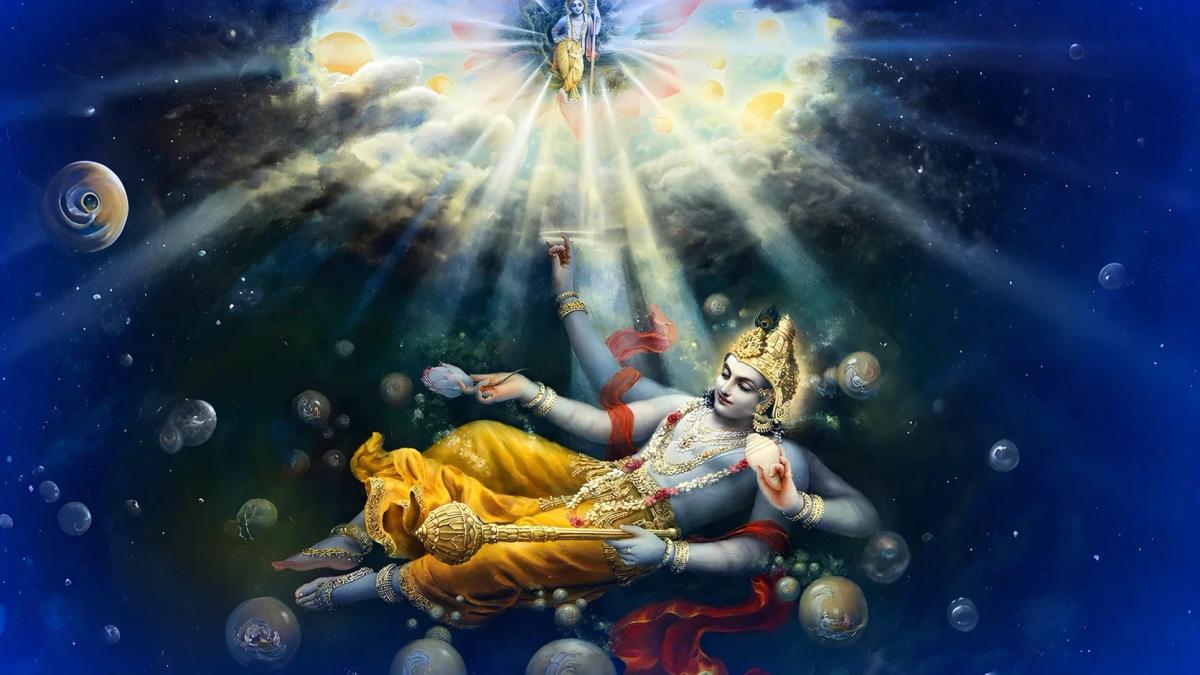
Parsva Ekadashi is observed during Shukla Paksha of the Bhadrapada month and is dedicated to the worship of Lord Vishnu. In 2026, Parsva Ekadashi will be observed on Tuesday, 22 September.
The word “Parsva” means side. According to the traditional observance, Lord Vishnu turns to the other side while resting in Yoga Nidra on Ananta Shesha. For this reason, this sacred day is also known as Parivartini Ekadashi.
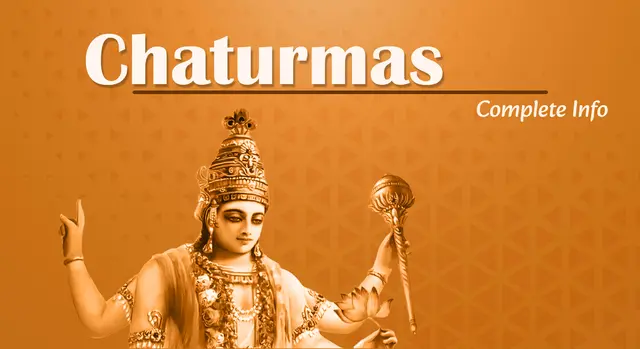
Parsva Ekadashi occurs during Chaturmas and marks an important stage in Lord Vishnu’s divine rest. It is also associated with Lord Vamanadeva and the devotion of King Bali.
Parsva Ekadashi 2026 Date, Tithi and Parana Time
| Details | Date and time |
|---|---|
| Parsva Ekadashi date | Tuesday, 22 September 2026 |
| Paksha | Shukla Paksha |
| Ekadashi Tithi begins | 21 September 2026 at 8:04 PM |
| Ekadashi Tithi ends | 22 September 2026 at 9:45 PM |
| Parana date | 23 September 2026 |
| Parana time | 6:15 AM–10:18 AM |
Parana timings may vary according to location and local sunrise. Devotees should confirm the timing applicable to their city before breaking the fast.
To view both Ekadashis observed during the month, check the September 2026 Ekadashi dates and timings.
Meaning of Parsva Ekadashi
The Sanskrit word “Parsva” refers to the side of the body, while “Parivartini” means turning or changing position. According to the traditional understanding of Chaturmas, Lord Vishnu turns to the other side during His Yoga Nidra on this Ekadashi.
This divine turning marks an important transition within the four-month Chaturmas period. Devotees observe the occasion by remembering Lord Vishnu and renewing their commitment to devotional practices.
Other Names of Parsva Ekadashi
Parsva Ekadashi is known by several names in different traditions:
- Parivartini Ekadashi
- Vamana Ekadashi
- Jayanti Ekadashi
- Jaljhilini Ekadashi
- Parswa Ekadashi
- Parshva Ekadashi
Although the names may vary, they refer to the same Ekadashi observed during Shukla Paksha of the Bhadrapada month.
Parsva Ekadashi Vrat Katha
The Vrat Katha of Parsva Ekadashi is connected with Lord Vamanadeva and His devotee, King Bali.
King Bali, the grandson of Prahlada Maharaja, became a powerful ruler of the three worlds. Although he possessed great wealth and authority, he was also renowned for his generosity and commitment to honouring the requests of brahmanas.
Lord Vishnu appeared before King Bali in the form of Vamanadeva, a young brahmana boy. Vamanadeva requested only three steps of land. King Bali agreed to fulfil His request despite being warned that the young brahmana was Lord Vishnu Himself.
Vamanadeva then expanded His form. With His first step, He covered the earthly realm, and with His second, He covered the higher planetary systems. With no land remaining for the third step, King Bali humbly offered his own head.
Pleased by King Bali’s surrender and devotion, Lord Vamanadeva blessed him and granted him residence in Sutala. The account illustrates humility, surrender and the Lord’s special protection of His devotees.
Significance of Parsva Ekadashi
Parsva Ekadashi holds special importance because it marks Lord Vishnu’s divine turning during Yoga Nidra. This transition occurs within Chaturmas, the sacred four-month period that begins on Devshayani Ekadashi.
The day reminds devotees that spiritual life requires regular reflection and renewal. By remembering Lord Vishnu, hearing His pastimes and chanting His holy names, devotees strengthen their devotional consciousness.
The association of Parsva Ekadashi with Lord Vamanadeva and King Bali also highlights the qualities of humility, surrender and complete faith in the Supreme Lord.
Connection Between Parsva Ekadashi and Chaturmas
Chaturmas begins on Devshayani Ekadashi, when Lord Vishnu enters Yoga Nidra on Ananta Shesha. Parsva Ekadashi occurs approximately two months later and marks the occasion when the Lord turns to the other side during His divine rest.
For this reason, Parsva Ekadashi represents an important transition within Chaturmas. Devotees use this sacred occasion to review their devotional commitments and continue their spiritual practices with renewed sincerity.
Read more about the meaning and spiritual importance of Chaturmas.
How to Observe Parsva Ekadashi
The general rules for observing Ekadashi, including permitted foods, types of fasting and Parana guidelines, are the same as those followed on other Ekadashis.
Instead of repeating those instructions here, read the complete Ekadashi fasting rules and observance guide.
Devotees may spend Parsva Ekadashi remembering Lord Vishnu, chanting the Hare Krishna Mahamantra, hearing Krishna Katha and engaging in devotional service according to their capacity.