
 Donate Now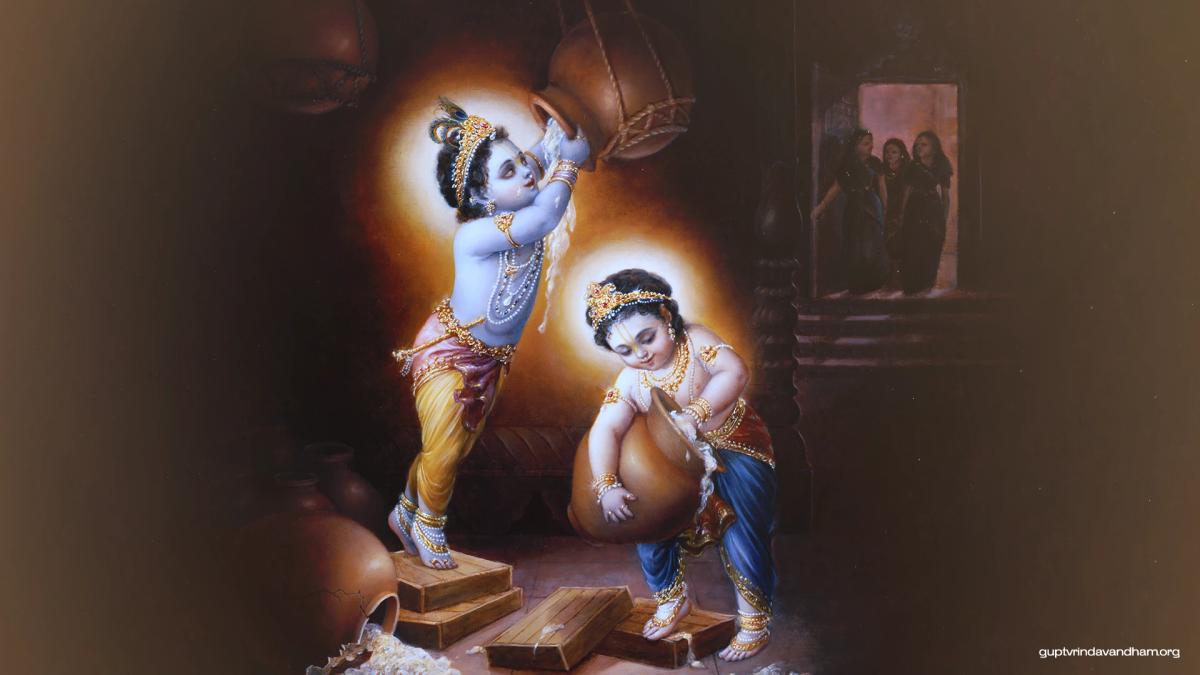
Once every year, temples fill with the sound of conch shells, homes are decorated with flowers and lamps, and devotees stay awake late into the night waiting for midnight to arrive. This is Krishna Janmashtami, one of the most loved festivals in the Hindu calendar. It marks the appearance of Lord Krishna, a figure whose life and teachings have shaped Indian culture, philosophy, and devotion for thousands of years. People fast, sing, and tell his stories on this day because his life still explains why he came, what he stood for, and why so many still turn to him for guidance today. This article looks at what Janmashtami actually is, the story behind it, and what it means to those who celebrate it.
What is Krishna Janmashtami?
Krishna Janmashtami is the festival that celebrates the appearance of Lord Krishna on this earth. According to the Hindu lunar calendar, it falls on the eighth day (Ashtami) of the dark fortnight in the month of Bhadrapada, which usually comes in August or September. The festival gets its name from two words, Janma meaning birth, and Ashtami meaning the eighth day.
Krishna is regarded by his devotees as Svayam Bhagavan, the Supreme Personality of Godhead himself, who chose to appear in this world in human form. His life is described in detail in the Srimad Bhagavatam, one of the most important texts in Hindu tradition, and his teachings form the heart of the Bhagavad Gita. Janmashtami is the day devotees remember and relive that sacred appearance, through prayer, fasting, storytelling, and joyful celebration.
Why is Krishna Janmashtami Celebrated?
Janmashtami is celebrated because it marks a moment that devotees believe changed the course of history. At the time of Krishna's appearance, the earth was under the rule of unjust and cruel kings, and dharma, or righteousness, was struggling to survive. Krishna appeared to restore balance, protect the good, and guide humanity back toward truth and devotion.
For devotees, this festival is about celebrating hope. It reminds people that whenever wrong grows too powerful, good does not disappear forever. Krishna's life stands as proof that truth eventually finds a way to rise again, and that is why the story still moves people generation after generation.
Spiritual Significance of Krishna Janmashtami
Krishna himself explains in the Bhagavad Gita that whenever righteousness declines and unrighteousness rises, he appears in the world to protect the good, remove suffering, and reestablish dharma. Janmashtami is a yearly reminder of that promise.
The day also gives devotees a reason to look inward. Fasting on Janmashtami is not simply about avoiding food, it is meant to quiet the mind so a person can focus fully on remembering Krishna and reflecting on his teachings. Many devotees spend the day reading the Bhagavad Gita, chanting Krishna's names, or simply sitting in quiet devotion, using the outward celebration as a way back to values like honesty, compassion, and surrender to a higher purpose.
Cultural Importance of Krishna Janmashtami
Janmashtami also holds a special place in Indian culture and community life. Temples and homes are cleaned and decorated with flowers, lights, and colourful rangoli designs. Devotees prepare small cradles for baby Krishna, dress idols in fine clothes, and offer sweets like makhan mishri, since Krishna as a child was famously fond of butter.
The festival brings people together in a very personal way. Families gather to sing devotional songs, children dress up as Krishna and Radha, and communities organise dramatic retellings of Krishna's life, known as Raas Leela. In many regions, especially in Maharashtra, groups form human pyramids to break a hanging pot of curd, recreating young Krishna's playful attempts to steal butter as a child. These traditions vary from region to region, but they all carry the same spirit of joy, devotion, and togetherness that Krishna's life inspired.
Other Names of Krishna Janmashtami
Across India, this festival is known by several other names, each reflecting a slightly different regional flavour of the same celebration. Some of the most common names include:
- Gokulashtami, especially popular in Maharashtra, referring to Gokul, the village where Krishna grew up
- Krishnashtami, a simple and widely used variation of the festival's name
- Srikrishna Jayanti, meaning the celebration of Krishna's appearance, commonly used in South India
- Sree Jayanthi, another South Indian variation carrying the same meaning
The names change from place to place, but the devotion behind them stays the same.
Conclusion
Janmashtami tells the story of a child born in a prison cell who grew up to protect the innocent and set his parents free, and that story still gives people a reason to fast, pray, sing, and celebrate together every year. Whether someone marks the day with a quiet vrat at home or with a full night of bhajans at the temple, the festival keeps alive the same simple belief Krishna's own life proved true: goodness finds its way back, even in the darkest of times.
Whether through fasting, listening to the Lord’s divine pastimes or offering Janmashtami Seva, every devotee can welcome Krishna’s presence into their life and celebrate His appearance with love and devotion.