
 Donate Now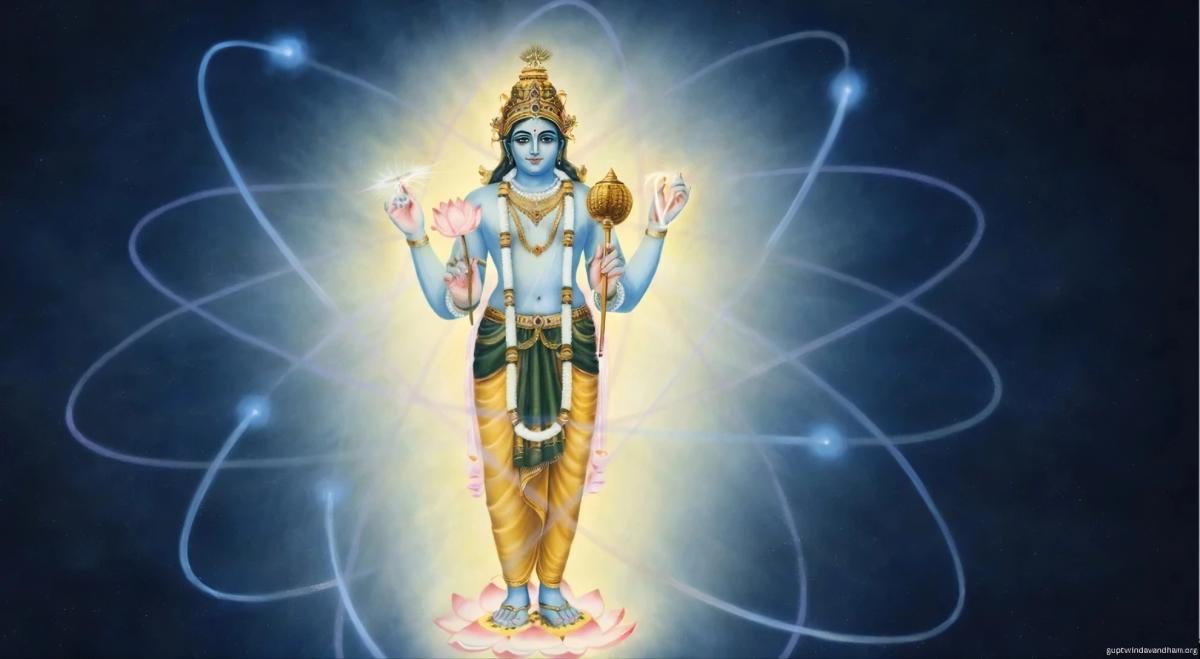
Apara Ekadashi falls on Wednesday, 13 May 2026. This sacred Ekadashi, observed on the Krishna Paksha Ekadashi of the Jyeshtha month, is one of the most powerful fasting days in the Vaishnav tradition — believed to destroy even the gravest of sins and bestow limitless (apara) spiritual merit upon the devotee.
Whether you are a lifelong devotee of Lord Vishnu or observing this vrat for the first time, this complete guide covers everything you need: the exact date and Parana timings, the full Vrat Katha, step-by-step Puja Vidhi, fasting rules, and what to eat and avoid.
Apara Ekadashi 2026: Date & Parana Timings
| Detail | Timing (IST) |
|---|---|
| Ekadashi Tithi Begins | 02:54 PM, Tuesday, 12 May |
| Ekadashi Tithi Ends | 01:32 PM, Wednesday, 13 May |
| Vrat Observance Date | Wednesday, 13 May |
| Parana (breaking the fast) | 14 May 05:40 AM – 10:09 AM |
| Dwadashi Tithi Ends | 11:22 AM, 14 May |
What Is Apara Ekadashi? Meaning & Significance
The word "Apara" (अपार) is a Sanskrit term meaning limitless, immeasurable, or boundless. This Ekadashi is so named because the spiritual merit — the punya — earned by observing it is said to be without limit. No other single act of devotion or austerity is described as delivering comparable results in the scriptures.
Apara Ekadashi falls on the 11th day (Ekadashi tithi) of the Krishna Paksha (waning moon fortnight) in the Hindu month of Jyeshtha, which corresponds to May–June in the Gregorian calendar. It is dedicated to the worship of Lord Vishnu in His Trivikrama form — the cosmic form in which He measured the three worlds in three steps.
The significance of this Ekadashi is described in detail in the Brahmanda Purana and the Padma Purana. According to these scriptures, this fast:
- Destroys sins equal in severity to killing a Brahmin, false testimony, adultery, and insulting one's Guru
- Grants the merit of bathing at Prayaga during Magha month when the Sun is in Capricorn
- Is equivalent to taking a bath at Kashi during a solar eclipse
- Bestows results equal to donating elephants, horses, cows, and gold during a great Yajna
- Liberates not just the observer, but also their ancestors from suffering
As Lord Krishna tells Arjuna in the Vrat Katha: "This Ekadashi is like an axe for cutting the tree of sin, and like the Sun for removing the darkness of accumulated wrongdoing."
Other Names of Apara Ekadashi
This Ekadashi is known by different names across India:
- Achala Ekadashi — the most common alternate name, meaning "immovable" or "eternal"
- Bhadrakali Ekadashi — observed in Punjab, Haryana, and Jammu & Kashmir, where Goddess Bhadrakali is also worshipped on this day
- Jalakrida Ekadashi — the name used in Odisha, celebrated in honour of Lord Jagannath
- Jayestha Krishna Ekadashi — named after the lunar month and fortnight in which it falls
Apara Ekadashi Vrat Katha (The Sacred Story)
The following Vrat Katha is drawn from the Brahmanda Purana, narrated by Lord Sri Krishna to Arjuna.
Arjuna said: "O Lord Krishna! Please tell me the name of the Ekadashi that falls in the Krishna Paksha of the Jyeshtha month. What is its significance, which deity is worshipped, and what is the method of observance?"
Lord Krishna replied:
"O Arjuna! The Ekadashi of the Krishna Paksha of Jyeshtha is called Apara Ekadashi. It grants immense wealth, destroys all sins, and bestows limitless fame upon those who observe it with devotion.
Hear now the story that makes this Ekadashi's greatness clear.
Thousands of years ago, there lived a righteous and virtuous king named Mahidhwaj. He was known throughout his kingdom for his generosity, wisdom, and unwavering devotion to Dharma. His younger brother, Vajradhwaj, was his exact opposite — cruel, envious, and consumed by greed for power.
Consumed by jealousy, Vajradhwaj murdered his elder brother Mahidhwaj one dark night and buried his body beneath a Peepal tree deep in the forest, far from the kingdom. Because of this unjust and untimely death, the noble soul of Mahidhwaj could not find peace. He became a Pret (a tormented ghost), bound to the Peepal tree, unable to move on to the next world.
Time passed. A great sage named Dhaumya Rishi was traveling through that forest one day when he sensed the restless spirit of the king. Using his divine perception, the sage understood what had happened. Filled with compassion, he approached the Peepal tree and addressed the spirit of Mahidhwaj.
The sage said: "O king, I know of your plight. Your death was unjust, and your soul is trapped in this tormented state through no fault of your own. But there is a way. Listen carefully."
The sage advised the king's own son to observe the Apara Ekadashi vrat with complete devotion and sincerity, and then to formally transfer (donate) the accumulated merit of the fast to the soul of his father, King Mahidhwaj.
The prince followed the sage's guidance. He observed the Apara Ekadashi fast with a full heart — bathing at sunrise, worshipping Lord Vishnu, reciting the Vrat Katha, remaining awake through the night in prayer — and at the conclusion of the fast, he dedicated all the punya earned to his father's departed soul.
The result was immediate and miraculous.
The moment the merit of the Apara Ekadashi vrat was transferred to him, King Mahidhwaj was freed from his ghostly form. His body was illuminated with divine light, and he ascended to the higher realms in a celestial vehicle, liberated from the cycle of suffering.
Lord Krishna concluded: "O Arjuna! Such is the boundless power of Apara Ekadashi. It not only purifies the devotee who observes it — its merit can liberate the souls of ancestors, free troubled spirits, and reach across worlds. One who reads or hears this Katha with devotion is freed from all sins. This fast is the greatest of all fasts. Observe it with love for Lord Vishnu, and you will ultimately attain Vaikuntha."
Benefits of Observing Apara Ekadashi
The Brahmanda Purana and Padma Purana enumerate the following spiritual benefits for the sincere devotee who observes Apara Ekadashi:
Destruction of Sins: Fasting on Apara Ekadashi destroys sins caused by false testimony, speaking ill of saints and Gurus, adultery, Brahmahatya (killing of a Brahmin), and even sins committed unknowingly. The Kshatriya who fled the battlefield, the disciple who betrayed his Guru, the judge who gave a false verdict — all find redemption through this vrat.
Spiritual Merit (Punya): The merit of this fast is described as equal to:
- Bathing at all three Pushkars (Pushkar, Madhya Pushkar, Vriddha Pushkar)
- Offering Pindadan at the banks of the Ganga during Pitru Paksha
- Visiting Shri Kedarnath during the Kumbha period
- Taking a bath at Kurukshetra during a solar or lunar eclipse
- Donating elephants, horses, and gold in a great Yajna
Liberation: Sincere observance of Apara Ekadashi leads the soul toward Vaikuntha — the eternal abode of Lord Vishnu — after the completion of this life.
Ancestral Liberation: As illustrated in the Vrat Katha, the merit of this fast can be formally transferred to departed souls, helping ancestors trapped in difficult states of existence attain peace and liberation.
Worldly Benefits: Devotees report that consistent observance of Apara Ekadashi brings fame, prosperity, freedom from debt, and harmony in family life — though these are understood as secondary results of the deeper spiritual purification the vrat brings.
Can You Observe Apara Ekadashi Without Fasting?
Yes. The scriptures are clear that Lord Vishnu looks at the devotee's intention (bhava) above all else. Those who cannot fast due to illness, old age, pregnancy, or demanding physical work can still receive the blessings of Apara Ekadashi through:
- Chanting the Lord's names throughout the day
- Reading or listening to the Vrat Katha
- Performing Puja with devotion
- Donating food, clothing, or money to the needy
- Avoiding tamasic foods and maintaining mental purity
- Visiting a Vishnu temple and offering Tulsi and flowers
Even a sincere, partial observance with a pure heart is considered meritorious.
Apara Ekadashi at Gupt Vrindavan Dham
At Gupt Vrindavan Dham, Apara Ekadashi is observed with deep devotion as part of the Vaishnav tradition. Special kirtan, Vishnu puja, and communal recitation of the Vrat Katha are performed on this day. Devotees gather for all-night bhajan and prayer in honour of Lord Vishnu.
If you are seeking to deepen your observance of Apara Ekadashi through seva and donation, you can support the ongoing devotional programs at the Dham. Donate on Apara Ekadashi
Explore our full Ekadashi Vrat Calendar 2026 to plan your spiritual year, or read about how to observe Ekadashi fasting for a complete guide on vrat rules, foods, and timings across all 24 Ekadashis.
You may also wish to read about related fasting days observed in the Jyeshtha month, including the upcoming Nirjala Ekadashi 2026 — the most austere Ekadashi of the year.
Conclusion
May your observance of Apara Ekadashi be filled with devotion, and may Lord Vishnu's limitless grace shower upon you and your family.
Janmashtami Celebration at Home - Step-by-Step Guide
Krishna Janmashtami celebration is a grand event that should be commemorated with pure joy, love, and divinity. Let’s look at 5 simple steps to perfectly celebrate Janmashtami at home.
- 01
Step 1: Clean Your Home as an Act of Seva
The majority of Indian households start the sacred day of Janmashtami by cleaning their house. But as per the Vaishnava tradition, cleaning involves much more than just ordinary cleaning. So, when we clear our house and our puja space, we are not just preparing a room. We are preparing to welcome the Lord himself, who will be arriving in all of our homes as a newborn infant. So, cleaning with intention is the very first seva of the day, performed on Janmashtami. In the Bhagavad Gita, Lord Krishna himself said that he is the source of everything and is present everywhere. This is why cleaning the space should be the priority, offered as an act of marking the Lord's appearance with full devotion.Note: So, Janmashtami celebrations at home do not begin with observing a fast or following every ritual; they begin with cleaning everything and, first, making the environment pure.
- 02
Step 2: Chant Together as a Family - Bring Vrindavan into Your Home
From morning to midnight, fill your surroundings with devotional chanting, as the holy name of the Lord is believed to be Lord Krishna himself. In addition, in the age of Kaliyuga, the chanting of the holy name is the best and easiest way to attain the mercy of the Lord, and this is why chanting is not a side activity, but it is the epicenter of your devotion. Gather all your family members, light up incense sticks and a ghee lamp, and sit in front of the altar. And chant together:Note: Even a serious 15 to 20 minutes of chanting on this sacred night changes the whole atmosphere, giving you Vrindavan-like feels and making your Gokulashtami celebrations at home truly blessed.
- 03
Step 3: Set Up the Altar and Dress Bal Krishna for His Birthday
Janmashtami is Lord's birthday, and just like we celebrate our birthday by wearing a new dress and preparing our favorite food, on this day, Bal Krishna deserves the same. So, start by spreading a new cloth over your puja space, ideally in blue or yellow. Place the idol of Lord Krishna in the center. Now dress him, by offering new ornaments and clothes. A small pitambari, a yellow silk dhoti, a tiny mukut, jewelry, and a small flute in his hands. Apply fresh garland around his neck and prepare the lord’s favorite items like maakhan, gulan jamun, and other sweets.Note: Place him in a small cradle (jhula), one of the most beloved symbols of Janmashtami celebration at home across India. When everything is arranged, light a ghee lamp and sit peacefully near the space, and worship the Lord in a way as if he is present there.
- 04
Step 4: Celebrate the Midnight Moment - Abhishek and Aarti
The whole day of Janmashtami, every ritual from cleaning, chanting, dressing up deities to preparing Lord’s favorite food items, everything is done for this midnight movement, the exact time when Lord Krishna was born 5,000 years ago. Gather your entire family and start the abhishekam of the Lord with panchamrita, offering each thing in order.Note: After the bath, clean the idol with a fresh towel and then offer fresh clothes and ornaments, and place him on the Jhula or altar again. Now perform aarti, light up a diya, ring a bell or a conch if possible. Everything is right, just perform everything with pure love and intention towards the Lord, as that’s what he loves the most.
- 05
Step 5: Break the Fast with Prasadam - Krishna's First Gift to You
After performing aarti and taking blessings from the lord, there is one final act that remains in the completion of your Janmastami celebration at home. Breaking the fast first with the prasadam offered to the Lord, as it represents something. You fasted the whole day, waited for the Lord's arrival, and now, when he arrives, the first thing that should enter your body should be something he accepted first. That is not food, that is Krishna’s mercy. After having the prasadam, the fast is meant to be completed. By observing the Janmashtami celebration purely, you will notice something is fulfilled in your heart, you can’t name it, but you will surely feel it. That is why the Krishna Janmashtami celebration at home is truly meant to be a very powerful day for attaining the Lord’s shelter.