

 Donate Now
Rama Raksha Stotra
Bhajan | Budhakaushika
Verse 1
oṃ asya śrī rāmarakṣā stōtramantrasya
budhakauśika ṛṣiḥ
śrī sītārāma chandrōdēvatā
anuṣṭup Chandaḥ
sītā śaktiḥ
śrīmad hanumān kīlakam
śrīrāmachandra prītyarthē rāmarakṣā stōtrajapē viniyōgaḥ
Verse 2
dhyānam
dhyāyēdājānubāhuṃ dhṛtaśara dhanuṣaṃ baddha padmāsanasthaṃ
pītaṃ vāsōvasānaṃ navakamala daḻasparthi nētraṃ prasannam
vāmāṅkārūḍha sītāmukha kamalamilallōchanaṃ nīradābhaṃ
nānālaṅkāra dīptaṃ dadhatamuru jaṭāmaṇḍalaṃ rāmachandram
Verse 3
stōtram
charitaṃ raghunāthasya śatakōṭi pravistaram
ēkaikamakṣaraṃ puṃsāṃ mahāpātaka nāśanam
Verse 4
dhyātvā nīlōtpala śyāmaṃ rāmaṃ rājīvalōchanam
jānakī lakṣmaṇōpētaṃ jaṭāmukuṭa maṇḍitam
Verse 5
sāsitūṇa dhanurbāṇa pāṇiṃ naktaṃ charāntakam
svalīlayā jagattrātu māvirbhūtamajaṃ vibhum
Verse 6
rāmarakṣāṃ paṭhētprājñaḥ pāpaghnīṃ sarvakāmadām
śirō mē rāghavaḥ pātu phālaṃ (bhālaṃ) daśarathātmajaḥ
Verse 7
kausalyēyō dṛśaupātu viśvāmitrapriyaḥ śṛtī
ghrāṇaṃ pātu makhatrātā mukhaṃ saumitrivatsalaḥ
Verse 8
jihvāṃ vidyānidhiḥ pātu kaṇṭhaṃ bharatavanditaḥ
skandhau divyāyudhaḥ pātu bhujau bhagnēśakārmukaḥ
Verse 9
karau sītāpatiḥ pātu hṛdayaṃ jāmadagnyajit
madhyaṃ pātu kharadhvaṃsī nābhiṃ jāmbavadāśrayaḥ
Verse 10
sugrīvēśaḥ kaṭiṃ pātu sakthinī hanumat-prabhuḥ
ūrū raghūttamaḥ pātu rakṣaḥkula vināśakṛt
Verse 11
jānunī sētukṛt-pātu jaṅghē daśamukhāntakaḥ
pādau vibhīṣaṇaśrīdaḥ pātu rāmō'khilaṃ vapuḥ
Verse 12
ētāṃ rāmabalōpētāṃ rakṣāṃ yaḥ sukṛtī paṭhēt
sa chirāyuḥ sukhī putrī vijayī vinayī bhavēt
Verse 13
pātāḻa-bhūtala-vyōma-chāriṇa-śchadma-chāriṇaḥ
na draṣṭumapi śaktāstē rakṣitaṃ rāmanāmabhiḥ
Verse 14
rāmēti rāmabhadrēti rāmachandrēti vā smaran
narō na lipyatē pāpairbhuktiṃ muktiṃ cha vindati
Verse 15
jagajjaitraika mantrēṇa rāmanāmnābhi rakṣitam
yaḥ kaṇṭhē dhārayēttasya karasthāḥ sarvasiddhayaḥ
Verse 16
vajrapañjara nāmēdaṃ yō rāmakavachaṃ smarēt
avyāhatājñaḥ sarvatra labhatē jayamaṅgaḻam
Verse 17
ādiṣṭavān-yathā svapnē rāmarakṣāmimāṃ haraḥ
tathā likhitavān-prātaḥ prabuddhau budhakauśikaḥ
Verse 18
ārāmaḥ kalpavṛkṣāṇāṃ virāmaḥ sakalāpadām
abhirāma-strilōkānāṃ rāmaḥ śrīmān sa naḥ prabhuḥ
Verse 19
taruṇau rūpasampannau sukumārau mahābalau
puṇḍarīka viśālākṣau chīrakṛṣṇājināmbarau
Verse 20
phalamūlāśinau dāntau tāpasau brahmachāriṇau
putrau daśarathasyaitau bhrātarau rāmalakṣmaṇau
Verse 21
śaraṇyau sarvasattvānāṃ śrēṣṭhau sarvadhanuṣmatām
rakṣaḥkula nihantārau trāyētāṃ nō raghūttamau
Verse 22
ātta sajya dhanuṣā viṣuspṛśā vakṣayāśuga niṣaṅga saṅginau
rakṣaṇāya mama rāmalakṣaṇāvagrataḥ pathi sadaiva gachChatām
Verse 23
sannaddhaḥ kavachī khaḍgī chāpabāṇadharō yuvā
gachChan manōrathānnaścha (manōrathō'smākaṃ) rāmaḥ pātu sa lakṣmaṇaḥ
Verse 24
rāmō dāśarathi śśūrō lakṣmaṇānucharō balī
kākutsaḥ puruṣaḥ pūrṇaḥ kausalyēyō raghūttamaḥ
Verse 25
vēdāntavēdyō yajñēśaḥ purāṇa puruṣōttamaḥ
jānakīvallabhaḥ śrīmānapramēya parākramaḥ
Verse 26
ityētāni japēnnityaṃ madbhaktaḥ śraddhayānvitaḥ
aśvamēdhādhikaṃ puṇyaṃ samprāpnōti na saṃśayaḥ
Verse 27
rāmaṃ dūrvādaḻa śyāmaṃ padmākṣaṃ pītavāsasam
stuvanti nāmabhi-rdivyairna tē saṃsāriṇō narāḥ
Verse 28
rāmaṃ lakṣmaṇa pūrvajaṃ raghuvaraṃ sītāpatiṃ sundaram
kākutsthaṃ karuṇārṇavaṃ guṇanidhiṃ viprapriyaṃ dhārmikam
rājēndraṃ satyasandhaṃ daśarathatanayaṃ śyāmalaṃ śāntamūrtim
vandē lōkābhirāmaṃ raghukula tilakaṃ rāghavaṃ rāvaṇārim
Verse 29
rāmāya rāmabhadrāya rāmachandrāya vēdhasē
raghunāthāya nāthāya sītāyāḥ patayē namaḥ
Verse 30
śrīrāma rāma raghunandana rāma rāma
śrīrāma rāma bharatāgraja rāma rāma
śrīrāma rāma raṇakarkaśa rāma rāma
śrīrāma rāma śaraṇaṃ bhava rāma rāma
Verse 31
śrīrāma chandra charaṇau manasā smarāmi
śrīrāma chandra charaṇau vachasā gṛhṇāmi
śrīrāma chandra charaṇau śirasā namāmi
śrīrāma chandra charaṇau śaraṇaṃ prapadyē
Verse 32
mātā rāmō mat-pitā rāmachandraḥ
svāmī rāmō mat-sakhā rāmachandraḥ
sarvasvaṃ mē rāmachandrō dayāḻuḥ
nānyaṃ jānē naiva jānē na jānē
Verse 33
dakṣiṇē lakṣmaṇō yasya vāmē cha (tu) janakātmajā
puratō mārutiryasya taṃ vandē raghunandanam
Verse 34
lōkābhirāmaṃ raṇaraṅgadhīraṃ
rājīvanētraṃ raghuvaṃśanātham
kāruṇyarūpaṃ karuṇākaraṃ taṃ
śrīrāmachandraṃ śaraṇyaṃ prapadyē
Verse 35
manōjavaṃ māruta tulya vēgaṃ
jitēndriyaṃ buddhimatāṃ variṣṭam
vātātmajaṃ vānarayūtha mukhyaṃ
śrīrāmadūtaṃ śaraṇaṃ prapadyē
Verse 36
kūjantaṃ rāmarāmēti madhuraṃ madhurākṣaram
āruhyakavitā śākhāṃ vandē vālmīki kōkilam
Verse 37
āpadāmapahartāraṃ dātāraṃ sarvasampadām
lōkābhirāmaṃ śrīrāmaṃ bhūyōbhūyō namāmyaham
Verse 38
bharjanaṃ bhavabījānāmarjanaṃ sukhasampadām
tarjanaṃ yamadūtānāṃ rāma rāmēti garjanam
Verse 39
rāmō rājamaṇiḥ sadā vijayatē rāmaṃ ramēśaṃ bhajē
rāmēṇābhihatā niśācharachamū rāmāya tasmai namaḥ
rāmānnāsti parāyaṇaṃ parataraṃ rāmasya dāsōsmyahaṃ
rāmē chittalayaḥ sadā bhavatu mē bhō rāma māmuddhara
Verse 40
śrīrāma rāma rāmēti ramē rāmē manōramē
sahasranāma tattulyaṃ rāma nāma varānanē
iti śrībudhakauśikamuni virachitaṃ śrīrāma rakṣāstōtraṃ sampūrṇam
śrīsītārāmachandrārpaṇamastu
Verse 1
The author of this hymn (stotra), seeking Lord Rama’s protection, is sage Budhakaushika. The deity is Shri Sita-Ramachandra. The poetic meter is eight syllables in a quarter stanza. The power (energy of mother nature) is Sita. The center is Shri Hanuman. The purpose of reciting this mantra of Ramaraksha stotram is for the devotion to Lord Shri Ramachandra.
Verse 2
Thus begins the meditation of this mantra. One should meditate upon Lord Ramachandra who has arms reaching his knees, who is holding a bow and arrows, who is seated in a lotus pose, who is wearing yellow clothes, whose eyes compete with the petals of a newly bloomed lotus, who looks contented, whose sight is fixed on the lotus-like face of Sita, sitting on his left lap, whose color is like that of the rain cloud, who is shining in various ornaments and has hair which are reaching till his thighs.
Verse 3
The life story of the Lord of the Raghu’s lineage — Lord Shri Rama, has a vast expanse. Each and every letter is capable of destroying even the greatest sins of the human beings
Verse 4
Let us meditate on the blue-complexioned, blue lotus-eyed Rama, who is accompanied by Sita and Lakshmana, and is well-adorned with crown matted locks.
Verse 5
(Let us meditate on him) Who has a sword in the receptacle, bow and arrow in his hand, who destroyed the demons, who is not born but is incarnated by his own will to protect this world.
Verse 6
May the learned read the Ramaraksha `stotram’, which destroys all sins and grants all desires. (Begin listing details of the body to be protected) May Rama who is raghu’s descendant protect my head. May Rama who is Dasharatha’s son protect my forehead.
Verse 7
May the lord Rama who is Kausalya’s son, protect my eyes. Rama who is favorite of Vishvamitra protect my ears. Rama who is savior of Yajna protect my nose. Rama who is affectionate to Lakshmana protect my mouth.
Verse 8
May the Rama who is a sea of knowledge protect my tongue. May Rama who is saluted by Bharata protect my neck. May Rama who holds divine weapons protct my two shoulders. May Rama who broke Shiva’s bow protect my two upper arms.
Verse 9
May the Rama who is the husband of Sita protect my two hands. May Rama who conquered Parashurama protect my heart. May Rama who killed the Rakshasa named Khara protect my abdomen. May Rama who gave refuge to Jambavad protect my navel.
Verse 10
May master of Sugreeva protect my waist, may master of Hanuman protect my hips. May the best of Raghus and destroyer of the lineage of demons protect my thighs.
Verse 11
May establisher of the bridge (Ramasetu) protect my knees, may the slayer of ten-faced (Ravana) protect my shins. May consecrator of wealth to Bibhishana protect my feet, may Sri Rama protect my my entire body.
Verse 12
May the good man read this stotra (hymn) equable to all the power of Rama be blessed with long life, be blessed with children, be victorious and possess humility.
Verse 13
They who travel in the hell, earth and heaven and who travel secretly (changing forms), would not be able to see (the one who reads) the protective chant of Rama by the power of this chant.
Verse 14
(The one who) remembers Rama, Rambhadra and Ramachandra (The poet has used these names for the same Lord Rama) sins never get attached to him, he will propser and attain salvation.
Verse 15
In all three worlds, one who wears the hymn of the name of Rama as a protection round his neck, will have all powers unto him.
Verse 16
He who recites this hymn of the name of Rama called vajrapanjara (Diamond Shield) will be unaffected, unscathed and will enjoy victory in all his endeavours.
Verse 17
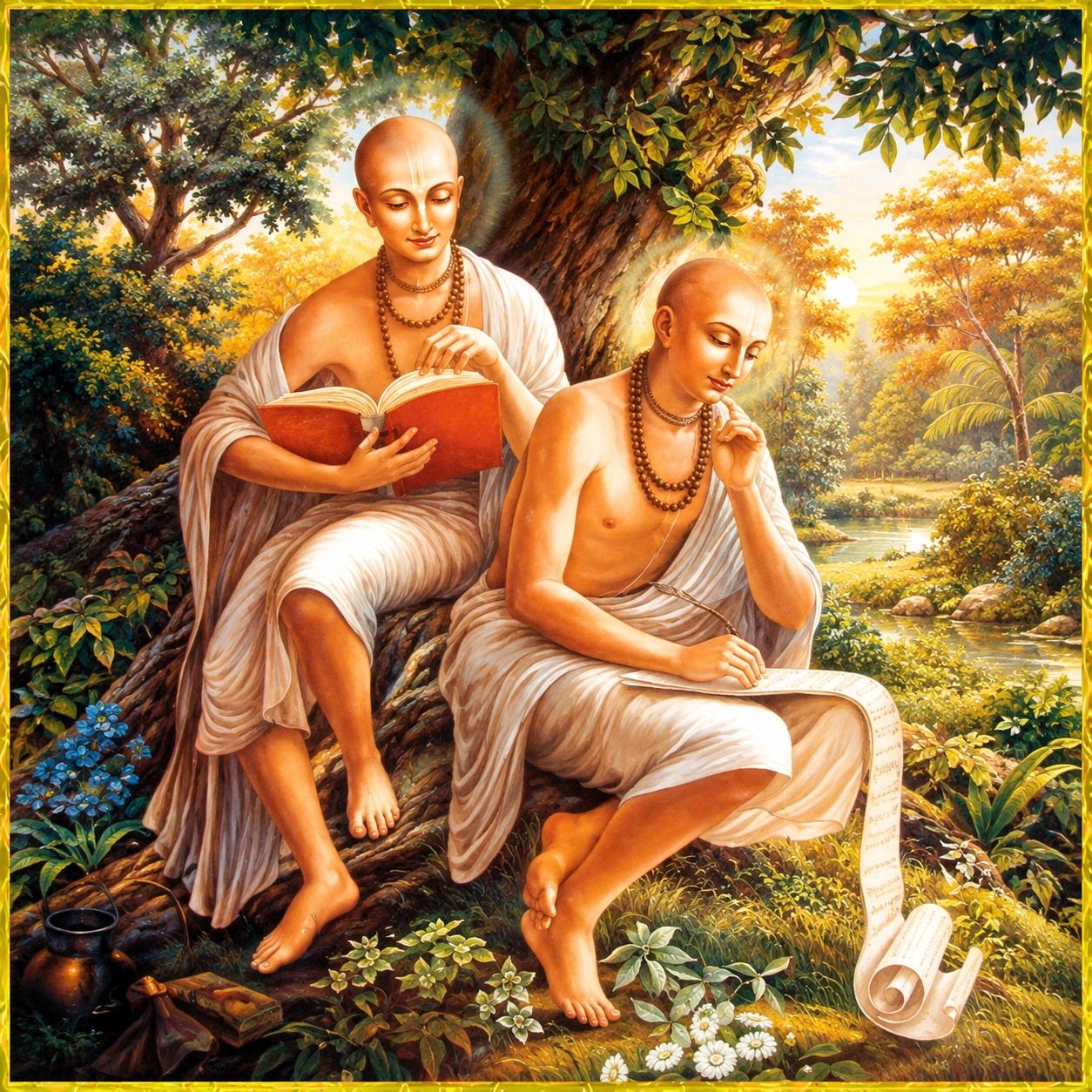
Budhakaushika (composer of this Stotram) was commanded in his dream by Lord Shiva to compose this hymn and he did so, as soon as he awoke in the morning.
Verse 18
Rama, who grants all desires (like a wish fulfilling tree), removes all obstacles and is the praise of all three worlds, is our Lord indeed.
Verse 19
May the two brothers ever protect us, who are young, handsome, lotus-eyed and bark and deer-skin dressed.
Verse 20
These two sons of Dasharatha, the brothers Rama and Lakshmana, the ones who are subsisting on roots and fruits and practicing penance and celibacy,
Verse 21
May these two scions of Raghu protect us, the foremost among the archers, the destroyers of the demons and the refuge of all beings, (may they) protect us.
Verse 22
Rama and Lakshmana (both), their bows pulled and ready, their hands on the arrows (packed) in ever full quivers (carried on their backs), may they always escort me in my path, for my protection.
Verse 23
Ever prepared and armed with sword, shield and bows and arrows and followed by Lakshmana , Rama is like our cherished thoughts come to life, may he (along with Lakshmana) protect us.
Verse 24
Rama, the descendant of Raghu and the son of Dasaratha and Kausalya, and ever, accompanied by Lakshmana, is all powerful and is the perfect man (Lord).
Verse 25
Rama, who is known through Vedanta, who is lord of all sacrifices, is the primeval Supreme Person, who is the beloved of Sita and whose bravery is unmeasurable.
Verse 26
(Thus lord Shiva said) My devotee who recites these names of Rama with faith, He, without any doubt, is blessed more than the performance of Aswamedha.
Verse 27
Those who sing the praise of Rama who is, dark-complexioned like the leaf of green grass, who is lotus-eyed and dressed in yellow robes, those who sing the praise of Him through this Hymn, are no longer ordinary men trapped in the world (they are liberated).
Verse 28
I bow to Rama who is handsome, the elder brother of Lakshmana, the husband of Sita and the best of the descendants of the Raghu race, Him who is the ocean of compassion, the stockpile of virtues, the beloved of the Brahmans and the protector of Dharma, Him who is the practitioner of the Truth, the lord emperor of kings, the son of Dasaratha, dark-complexioned and the personification of Peace and tranquillity, Him who is the enemy of Ravana, the crown jewel of the the Raghu dynasty and the cynosure (center of admiration) of all eyes.
Verse 29
I offer my respectful obeisances unto Lord Rama who is also known as Ramabhadra and Ramachandra, He is the source of the Vedas, the Lord of Raghuvansha and the whole world, and who is the consort of Sita.
Verse 30
O Rama, who is the delight of the Raghus, the elder brother of Bharata and the tormentor of his enemies in the war. May You become my refuge — O Rama, Rama!
Verse 31
I remember the feet of Lord Ramchandra with my mind, I praise the feet of Sri Ramachandra by my speech, I salute the feet of Sri Ramachandra by bowing down my head, I take complete refuge in the feet of Lord Ramchandra.
Verse 32
Rama is my mother, father, master and friend, indeed the compassionate Rama is all I have. I know of no other (like him), (I really) don’t!
Verse 33
I offer my respectful obeisances unto Lord Rama (delight of the Raghu dynasty) who has Lakshmana on his right and Sita on the left and who has Hanuman in his front.
Verse 34
I take refuge in that Rama who is so pleasing to the sight, the master of the stage of war, lotus-eyed, lord of the Raghu race, who is the personification of compassion.
Verse 35
I take refuge in the lord Hanuman who is as fast as the mind, equals his father, the wind-God, in speed, is the master of the senses, the foremost amongst the learned, the leader of the Monkey forces and the great messenger of Shri Rama.
Verse 36
I salute the great sage Valmiki who sings the glorious name of Rama as sweetly as a cuckoo sings, sitting atop a tree.
Verse 37
I bow again and again to Rama who removes all obstacles and grants all prosperity and pleases all.
Verse 38
The roar of the Rama nama is the destruction of the cause of rebirth, the earning of all wealth and a scare to Yama’s (Lord of Death’s) messengers.
Verse 39
Rama, the jewel among the kings, Him I worship, by Him so many demons have been destroyed, to him is said my prayer, beyond Him there is nothing to be worshipped, His servant I am, my mind is totally absorbed in Him, O Rama, please lift me up.
Verse 40
[Lord Śiva addressed his wife, Durgā:] ‘O Varānanā, I chant the holy name of Rāma, Rāma, Rāma and thus enjoy this beautiful sound. This holy name of Rāmacandra is equal to one thousand holy names of Lord Viṣṇu. Sri Budha Koushika’s composition of Sri Rama Raksha Stotram is complete here. This composition is devoted to the holy feet of Sri Rama and Sita.
Verse 1
oṃ asya śrī rāmarakṣā stōtramantrasya
budhakauśika ṛṣiḥ
śrī sītārāma chandrōdēvatā
anuṣṭup Chandaḥ
sītā śaktiḥ
śrīmad hanumān kīlakam
śrīrāmachandra prītyarthē rāmarakṣā stōtrajapē viniyōgaḥ
Verse 2
dhyānam
dhyāyēdājānubāhuṃ dhṛtaśara dhanuṣaṃ baddha padmāsanasthaṃ
pītaṃ vāsōvasānaṃ navakamala daḻasparthi nētraṃ prasannam
vāmāṅkārūḍha sītāmukha kamalamilallōchanaṃ nīradābhaṃ
nānālaṅkāra dīptaṃ dadhatamuru jaṭāmaṇḍalaṃ rāmachandram
Verse 3
stōtram
charitaṃ raghunāthasya śatakōṭi pravistaram
ēkaikamakṣaraṃ puṃsāṃ mahāpātaka nāśanam
Verse 4
dhyātvā nīlōtpala śyāmaṃ rāmaṃ rājīvalōchanam
jānakī lakṣmaṇōpētaṃ jaṭāmukuṭa maṇḍitam
Verse 5
sāsitūṇa dhanurbāṇa pāṇiṃ naktaṃ charāntakam
svalīlayā jagattrātu māvirbhūtamajaṃ vibhum
Verse 6
rāmarakṣāṃ paṭhētprājñaḥ pāpaghnīṃ sarvakāmadām
śirō mē rāghavaḥ pātu phālaṃ (bhālaṃ) daśarathātmajaḥ
Verse 7
kausalyēyō dṛśaupātu viśvāmitrapriyaḥ śṛtī
ghrāṇaṃ pātu makhatrātā mukhaṃ saumitrivatsalaḥ
Verse 8
jihvāṃ vidyānidhiḥ pātu kaṇṭhaṃ bharatavanditaḥ
skandhau divyāyudhaḥ pātu bhujau bhagnēśakārmukaḥ
Verse 9
karau sītāpatiḥ pātu hṛdayaṃ jāmadagnyajit
madhyaṃ pātu kharadhvaṃsī nābhiṃ jāmbavadāśrayaḥ
Verse 10
sugrīvēśaḥ kaṭiṃ pātu sakthinī hanumat-prabhuḥ
ūrū raghūttamaḥ pātu rakṣaḥkula vināśakṛt
Verse 11
jānunī sētukṛt-pātu jaṅghē daśamukhāntakaḥ
pādau vibhīṣaṇaśrīdaḥ pātu rāmō'khilaṃ vapuḥ
Verse 12
ētāṃ rāmabalōpētāṃ rakṣāṃ yaḥ sukṛtī paṭhēt
sa chirāyuḥ sukhī putrī vijayī vinayī bhavēt
Verse 13
pātāḻa-bhūtala-vyōma-chāriṇa-śchadma-chāriṇaḥ
na draṣṭumapi śaktāstē rakṣitaṃ rāmanāmabhiḥ
Verse 14
rāmēti rāmabhadrēti rāmachandrēti vā smaran
narō na lipyatē pāpairbhuktiṃ muktiṃ cha vindati
Verse 15
jagajjaitraika mantrēṇa rāmanāmnābhi rakṣitam
yaḥ kaṇṭhē dhārayēttasya karasthāḥ sarvasiddhayaḥ
Verse 16
vajrapañjara nāmēdaṃ yō rāmakavachaṃ smarēt
avyāhatājñaḥ sarvatra labhatē jayamaṅgaḻam
Verse 17
ādiṣṭavān-yathā svapnē rāmarakṣāmimāṃ haraḥ
tathā likhitavān-prātaḥ prabuddhau budhakauśikaḥ
Verse 18
ārāmaḥ kalpavṛkṣāṇāṃ virāmaḥ sakalāpadām
abhirāma-strilōkānāṃ rāmaḥ śrīmān sa naḥ prabhuḥ
Verse 19
taruṇau rūpasampannau sukumārau mahābalau
puṇḍarīka viśālākṣau chīrakṛṣṇājināmbarau
Verse 20
phalamūlāśinau dāntau tāpasau brahmachāriṇau
putrau daśarathasyaitau bhrātarau rāmalakṣmaṇau
Verse 21
śaraṇyau sarvasattvānāṃ śrēṣṭhau sarvadhanuṣmatām
rakṣaḥkula nihantārau trāyētāṃ nō raghūttamau
Verse 22
ātta sajya dhanuṣā viṣuspṛśā vakṣayāśuga niṣaṅga saṅginau
rakṣaṇāya mama rāmalakṣaṇāvagrataḥ pathi sadaiva gachChatām
Verse 23
sannaddhaḥ kavachī khaḍgī chāpabāṇadharō yuvā
gachChan manōrathānnaścha (manōrathō'smākaṃ) rāmaḥ pātu sa lakṣmaṇaḥ
Verse 24
rāmō dāśarathi śśūrō lakṣmaṇānucharō balī
kākutsaḥ puruṣaḥ pūrṇaḥ kausalyēyō raghūttamaḥ
Verse 25
vēdāntavēdyō yajñēśaḥ purāṇa puruṣōttamaḥ
jānakīvallabhaḥ śrīmānapramēya parākramaḥ
Verse 26
ityētāni japēnnityaṃ madbhaktaḥ śraddhayānvitaḥ
aśvamēdhādhikaṃ puṇyaṃ samprāpnōti na saṃśayaḥ
Verse 27
rāmaṃ dūrvādaḻa śyāmaṃ padmākṣaṃ pītavāsasam
stuvanti nāmabhi-rdivyairna tē saṃsāriṇō narāḥ
Verse 28
rāmaṃ lakṣmaṇa pūrvajaṃ raghuvaraṃ sītāpatiṃ sundaram
kākutsthaṃ karuṇārṇavaṃ guṇanidhiṃ viprapriyaṃ dhārmikam
rājēndraṃ satyasandhaṃ daśarathatanayaṃ śyāmalaṃ śāntamūrtim
vandē lōkābhirāmaṃ raghukula tilakaṃ rāghavaṃ rāvaṇārim
Verse 29
rāmāya rāmabhadrāya rāmachandrāya vēdhasē
raghunāthāya nāthāya sītāyāḥ patayē namaḥ
Verse 30
śrīrāma rāma raghunandana rāma rāma
śrīrāma rāma bharatāgraja rāma rāma
śrīrāma rāma raṇakarkaśa rāma rāma
śrīrāma rāma śaraṇaṃ bhava rāma rāma
Verse 31
śrīrāma chandra charaṇau manasā smarāmi
śrīrāma chandra charaṇau vachasā gṛhṇāmi
śrīrāma chandra charaṇau śirasā namāmi
śrīrāma chandra charaṇau śaraṇaṃ prapadyē
Verse 32
mātā rāmō mat-pitā rāmachandraḥ
svāmī rāmō mat-sakhā rāmachandraḥ
sarvasvaṃ mē rāmachandrō dayāḻuḥ
nānyaṃ jānē naiva jānē na jānē
Verse 33
dakṣiṇē lakṣmaṇō yasya vāmē cha (tu) janakātmajā
puratō mārutiryasya taṃ vandē raghunandanam
Verse 34
lōkābhirāmaṃ raṇaraṅgadhīraṃ
rājīvanētraṃ raghuvaṃśanātham
kāruṇyarūpaṃ karuṇākaraṃ taṃ
śrīrāmachandraṃ śaraṇyaṃ prapadyē
Verse 35
manōjavaṃ māruta tulya vēgaṃ
jitēndriyaṃ buddhimatāṃ variṣṭam
vātātmajaṃ vānarayūtha mukhyaṃ
śrīrāmadūtaṃ śaraṇaṃ prapadyē
Verse 36
kūjantaṃ rāmarāmēti madhuraṃ madhurākṣaram
āruhyakavitā śākhāṃ vandē vālmīki kōkilam
Verse 37
āpadāmapahartāraṃ dātāraṃ sarvasampadām
lōkābhirāmaṃ śrīrāmaṃ bhūyōbhūyō namāmyaham
Verse 38
bharjanaṃ bhavabījānāmarjanaṃ sukhasampadām
tarjanaṃ yamadūtānāṃ rāma rāmēti garjanam
Verse 39
rāmō rājamaṇiḥ sadā vijayatē rāmaṃ ramēśaṃ bhajē
rāmēṇābhihatā niśācharachamū rāmāya tasmai namaḥ
rāmānnāsti parāyaṇaṃ parataraṃ rāmasya dāsōsmyahaṃ
rāmē chittalayaḥ sadā bhavatu mē bhō rāma māmuddhara
Verse 40
śrīrāma rāma rāmēti ramē rāmē manōramē
sahasranāma tattulyaṃ rāma nāma varānanē
iti śrībudhakauśikamuni virachitaṃ śrīrāma rakṣāstōtraṃ sampūrṇam
śrīsītārāmachandrārpaṇamastu
Verse 1
The author of this hymn (stotra), seeking Lord Rama’s protection, is sage Budhakaushika. The deity is Shri Sita-Ramachandra. The poetic meter is eight syllables in a quarter stanza. The power (energy of mother nature) is Sita. The center is Shri Hanuman. The purpose of reciting this mantra of Ramaraksha stotram is for the devotion to Lord Shri Ramachandra.
Verse 2
Thus begins the meditation of this mantra. One should meditate upon Lord Ramachandra who has arms reaching his knees, who is holding a bow and arrows, who is seated in a lotus pose, who is wearing yellow clothes, whose eyes compete with the petals of a newly bloomed lotus, who looks contented, whose sight is fixed on the lotus-like face of Sita, sitting on his left lap, whose color is like that of the rain cloud, who is shining in various ornaments and has hair which are reaching till his thighs.
Verse 3
The life story of the Lord of the Raghu’s lineage — Lord Shri Rama, has a vast expanse. Each and every letter is capable of destroying even the greatest sins of the human beings
Verse 4
Let us meditate on the blue-complexioned, blue lotus-eyed Rama, who is accompanied by Sita and Lakshmana, and is well-adorned with crown matted locks.
Verse 5
(Let us meditate on him) Who has a sword in the receptacle, bow and arrow in his hand, who destroyed the demons, who is not born but is incarnated by his own will to protect this world.
Verse 6
May the learned read the Ramaraksha `stotram’, which destroys all sins and grants all desires. (Begin listing details of the body to be protected) May Rama who is raghu’s descendant protect my head. May Rama who is Dasharatha’s son protect my forehead.
Verse 7
May the lord Rama who is Kausalya’s son, protect my eyes. Rama who is favorite of Vishvamitra protect my ears. Rama who is savior of Yajna protect my nose. Rama who is affectionate to Lakshmana protect my mouth.
Verse 8
May the Rama who is a sea of knowledge protect my tongue. May Rama who is saluted by Bharata protect my neck. May Rama who holds divine weapons protct my two shoulders. May Rama who broke Shiva’s bow protect my two upper arms.
Verse 9
May the Rama who is the husband of Sita protect my two hands. May Rama who conquered Parashurama protect my heart. May Rama who killed the Rakshasa named Khara protect my abdomen. May Rama who gave refuge to Jambavad protect my navel.
Verse 10
May master of Sugreeva protect my waist, may master of Hanuman protect my hips. May the best of Raghus and destroyer of the lineage of demons protect my thighs.
Verse 11
May establisher of the bridge (Ramasetu) protect my knees, may the slayer of ten-faced (Ravana) protect my shins. May consecrator of wealth to Bibhishana protect my feet, may Sri Rama protect my my entire body.
Verse 12
May the good man read this stotra (hymn) equable to all the power of Rama be blessed with long life, be blessed with children, be victorious and possess humility.
Verse 13
They who travel in the hell, earth and heaven and who travel secretly (changing forms), would not be able to see (the one who reads) the protective chant of Rama by the power of this chant.
Verse 14
(The one who) remembers Rama, Rambhadra and Ramachandra (The poet has used these names for the same Lord Rama) sins never get attached to him, he will propser and attain salvation.
Verse 15
In all three worlds, one who wears the hymn of the name of Rama as a protection round his neck, will have all powers unto him.
Verse 16
He who recites this hymn of the name of Rama called vajrapanjara (Diamond Shield) will be unaffected, unscathed and will enjoy victory in all his endeavours.
Verse 17
Budhakaushika (composer of this Stotram) was commanded in his dream by Lord Shiva to compose this hymn and he did so, as soon as he awoke in the morning.
Verse 18
Rama, who grants all desires (like a wish fulfilling tree), removes all obstacles and is the praise of all three worlds, is our Lord indeed.
Verse 19
May the two brothers ever protect us, who are young, handsome, lotus-eyed and bark and deer-skin dressed.
Verse 20
These two sons of Dasharatha, the brothers Rama and Lakshmana, the ones who are subsisting on roots and fruits and practicing penance and celibacy,
Verse 21
May these two scions of Raghu protect us, the foremost among the archers, the destroyers of the demons and the refuge of all beings, (may they) protect us.
Verse 22
Rama and Lakshmana (both), their bows pulled and ready, their hands on the arrows (packed) in ever full quivers (carried on their backs), may they always escort me in my path, for my protection.
Verse 23
Ever prepared and armed with sword, shield and bows and arrows and followed by Lakshmana , Rama is like our cherished thoughts come to life, may he (along with Lakshmana) protect us.
Verse 24
Rama, the descendant of Raghu and the son of Dasaratha and Kausalya, and ever, accompanied by Lakshmana, is all powerful and is the perfect man (Lord).
Verse 25
Rama, who is known through Vedanta, who is lord of all sacrifices, is the primeval Supreme Person, who is the beloved of Sita and whose bravery is unmeasurable.
Verse 26
(Thus lord Shiva said) My devotee who recites these names of Rama with faith, He, without any doubt, is blessed more than the performance of Aswamedha.
Verse 27
Those who sing the praise of Rama who is, dark-complexioned like the leaf of green grass, who is lotus-eyed and dressed in yellow robes, those who sing the praise of Him through this Hymn, are no longer ordinary men trapped in the world (they are liberated).
Verse 28
I bow to Rama who is handsome, the elder brother of Lakshmana, the husband of Sita and the best of the descendants of the Raghu race, Him who is the ocean of compassion, the stockpile of virtues, the beloved of the Brahmans and the protector of Dharma, Him who is the practitioner of the Truth, the lord emperor of kings, the son of Dasaratha, dark-complexioned and the personification of Peace and tranquillity, Him who is the enemy of Ravana, the crown jewel of the the Raghu dynasty and the cynosure (center of admiration) of all eyes.
Verse 29
I offer my respectful obeisances unto Lord Rama who is also known as Ramabhadra and Ramachandra, He is the source of the Vedas, the Lord of Raghuvansha and the whole world, and who is the consort of Sita.
Verse 30
O Rama, who is the delight of the Raghus, the elder brother of Bharata and the tormentor of his enemies in the war. May You become my refuge — O Rama, Rama!
Verse 31
I remember the feet of Lord Ramchandra with my mind, I praise the feet of Sri Ramachandra by my speech, I salute the feet of Sri Ramachandra by bowing down my head, I take complete refuge in the feet of Lord Ramchandra.
Verse 32
Rama is my mother, father, master and friend, indeed the compassionate Rama is all I have. I know of no other (like him), (I really) don’t!
Verse 33
I offer my respectful obeisances unto Lord Rama (delight of the Raghu dynasty) who has Lakshmana on his right and Sita on the left and who has Hanuman in his front.
Verse 34
I take refuge in that Rama who is so pleasing to the sight, the master of the stage of war, lotus-eyed, lord of the Raghu race, who is the personification of compassion.
Verse 35
I take refuge in the lord Hanuman who is as fast as the mind, equals his father, the wind-God, in speed, is the master of the senses, the foremost amongst the learned, the leader of the Monkey forces and the great messenger of Shri Rama.
Verse 36
I salute the great sage Valmiki who sings the glorious name of Rama as sweetly as a cuckoo sings, sitting atop a tree.
Verse 37
I bow again and again to Rama who removes all obstacles and grants all prosperity and pleases all.
Verse 38
The roar of the Rama nama is the destruction of the cause of rebirth, the earning of all wealth and a scare to Yama’s (Lord of Death’s) messengers.
Verse 39
Rama, the jewel among the kings, Him I worship, by Him so many demons have been destroyed, to him is said my prayer, beyond Him there is nothing to be worshipped, His servant I am, my mind is totally absorbed in Him, O Rama, please lift me up.
Verse 40
[Lord Śiva addressed his wife, Durgā:] ‘O Varānanā, I chant the holy name of Rāma, Rāma, Rāma and thus enjoy this beautiful sound. This holy name of Rāmacandra is equal to one thousand holy names of Lord Viṣṇu. Sri Budha Koushika’s composition of Sri Rama Raksha Stotram is complete here. This composition is devoted to the holy feet of Sri Rama and Sita.
STAY CONNECTED
Subscribe to get updates on new songs, mantras, and devotional Content.
Explore More Categories
Find more bhajans grouped by devotional theme.
Dependency
28 Songs
Glories of the Holy Name
126 Songs
Prayer for Mercy
22 Songs
Other
21 Songs

Shri Chaitanya Mahaprabhu
17 Songs
Stotram & Ashtakam
14 Songs
Tulasi Songs
2 Songs
Pranam Mantras
17 Songs
Spiritual Master
8 Songs
Shri Nityananada Prabhu
9 Songs
Lord Shri Krishna
20 Songs
Shrimati Radharani
7 Songs
Narasimha Prayers
7 Songs
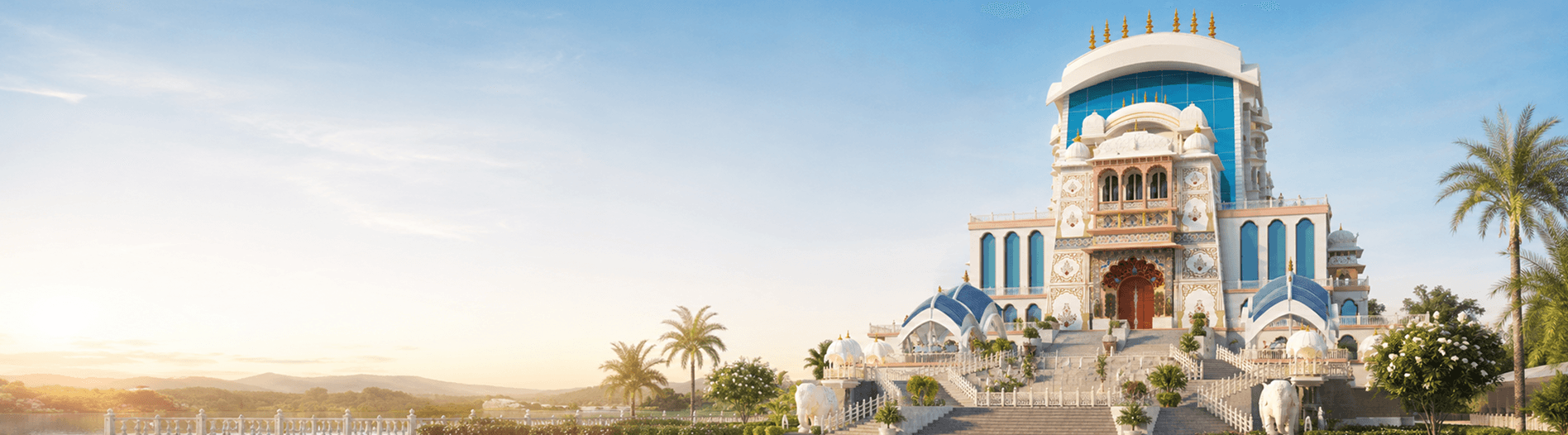
Be a Part of Building Gupt Vrindavan Dham
Your support helps strengthen temple construction, Gau Seva, Annadaan Seva, cultural education, and devotional programs. Participate in Square Feet Seva, Mandir Nirman Seva, Annadaan, Gau Seva, and other sacred initiatives.