


Ore Mana Boli Suno Tattwa Bibarana
Bhajan | Bhaktivinoda Thakura
Verse 1
ore mana boli śuno tattwa-bibaraṇa
jāhāra bismṛti-janya jībera bandhana
Verse 2
tattwa eka adwitīya atulya apāra
sei tattwa para-brahma sarba sārāt sāra
Verse 3
sei tattwa śaktimāna sampūrṇa sundara
śakti śaktimāna eka bastu nirantara
Verse 4
nitya-śakti nitya sarba-bilāsa-poṣoka
bilāsārtha bṛndābana baikuṇṭha goloka
Verse 5
bilāsārtha nāma dhāma guṇa parikara
deśa-kāla-pātra saba śakti anucara
Verse 6
śaktira prabhāba āra prabhura vilāsa
para-brahma-sahe nitya ekātmā-prokāśa
Verse 7
ata eba brahma āge śakti kārja pare
je kore siddhānta sei mūrkha e soṁsāre
Verse 8
pūrṇa-candra bolile kiraṇa-saha jāni
akiraṇa candra-sattā kabhu nāhi māni
Verse 9
brahma āra brahma-śakti-saha parikara
sama-kāla nitya boli' māni ataḥ para
Verse 10
akhaṇḍa bilāsa-moya para-brahma jei
aprākṛta bṛndābane kṛṣṇacandra sei
Verse 11
sei se adwaya-tattwa parānandakāra
kṛpāya prakaṭa hoilo bhārate āmāra
Verse 12
kṛṣṇa se parama-tattwa prakṛtira para
brajete bilāsa kṛṣṇa kore' nirantara
Verse 13
cid-dhāma-bhāskara kṛṣṇa taṅra jyotir-gata
ananta cit-kaṇa jība tiṣṭhe abirata
Verse 14
sei jība prema-dharmī kṛṣṇa-gata-prāṇa
sadā kṛṣṇākṛṣṭa bhakti-sudhā kore' pāna
Verse 15
nānā-bhāba-miśrita piyā dāsya-rasa
kṛṣṇera ananta-guṇe sadā thāke baśa
Verse 16
kṛṣṇa mātā kṛṣṇa pitā kṛṣṇa sakhā pati
ei saba bhinna-bhābe kṛṣṇa kore rati
Verse 17
kṛṣṇa se puruṣa eka nitya bṛndābane
jība-gaṇa nārī-bṛnda rame kṛṣṇa-sane
Verse 18
sei to' ānanda-līlā jā'ra nāi anta
ata eba kṛṣṇa-līlā akhaṇḍa ananta
Verse 19
je saba jībera bhoga-bañchā upajilo
puruṣa bhabete tā'ra joḍe prabeśilo
Verse 20
māyā-kārja joḍa māyā nitya-śakti-chāya
kṛṣṇa-dāsī sei satya kāra-kartrī māyā
Verse 21
sei māyā ādarśera samasta biśeṣa
loiyā gaṭhilo biśwa jāhe pūrṇa kleśa
Verse 22
jība jadi hoilena kṛṣṇa-bahirmukha
māyādevī tabe tā'ra jāchilena sukha
Verse 23
māyā-sukhe matta jība śrī-kṛṣṇa bhulilo
sei se abidyā-baśe asmitā janmilo
Verse 24
asmitā hoite hoilo māyābhinibeśa
tāhā hoite joḍa-gata rāga āra dweṣa
Verse 25
ei rūpe jība karma-cakre prabeśiyā
uccābaca-gati-krame phirena bhramiyā
Verse 26
kothā se baikuṇṭhānanda śrī-kṛṣṇa-bilāsa
kothā māyā-gata sukha duḥkha sarba-nāśa
Verse 27
cit-tattwa hoiyā jībera māyābhiramaṇa
ati tuccha jugupsita ananta patana
Verse 28
māyika dehera bhābābhābe dāsya kori'
para-tattwa jībera ki kaṣṭha āhā mori
Verse 29
bhramite bhramite jadi sādhu-saṅga hoya
punarāya gupta nitya-dharmera udoya
Verse 30
sādhu-saṅge kṛṣṇa-kathā hoya ālocana
pūrba-bhāba udi' kāṭe māyāra bandhana
Verse 31
kṛṣṇa prati jība jabe korena īkhaṇa
vidya-rūpe māyā kore' bandhana-chedana
Verse 32
māyika jagate bidyā nitya bṛndābana
jībera sādhana-janya kore' bibhābana
Verse 33
sei bṛndābane jība bhābābiṣṭa ho'ye
nitya-sebā lābha kore' caitanya-āśroye
Verse 34
prakaṭita līlā āra goloka-bilāsa
eka tattwa bhinna noya dwibidhā prokāśa
Verse 35
nitya-līlā nitya-dāsa-gaṇera niloya
e prakaṭa-līlā-baddha-jībera āśroya
Verse 36
ata eba bṛndābana jībera ābāsa
asāra-soṁsāre nitya-tattwera prokāśa
Verse 37
bṛndābana-līlā jība koroho āśroya
ātmā-gata rati-tattwa jahe nitya hoya
Verse 38
joḍa-rati-khadyotera āloka adhama
ātmā-rati-sūrjodoye hoya upaśama
Verse 39
joḍa-rati-gata jata śubhāśubha-karma
jībera sambandhe saba aupadhika dharma
Verse 40
joḍa-rati hoite loka-bhoga abirata
joḍa-rati aiśwarjera sadā anugata
Verse 41
joḍa-rati joḍa-deha prabhu-sama bhāya
māyika biṣaya-sukhe jībake nācāya
Verse 42
kabhe tā're lo'ye jāya brahmaloka jathā
kabhu tā'ra śikhā deya jogaiśwarja-kathā
Verse 43
jogaiśwarja bhogaiśwarja sakhali sabhoya
bṛndābane ātmā-rati jībera abhoya
Verse 44
śrī-kṛṣṇa-bimukha-jana aiśwarjera āśe
māyika joḍiyā sukhe baddha māyā-pāśe
Verse 45
akiñcana ātmā-rata kṛṣṇa-rati-sāra
jāni' bhukti-mukti-āśā kore' parihāra
Verse 46
soṁsāre jībana-jātrā anāyāse kori'
nitya-dehe nitya-sebe ātmā-prada hori
Verse 47
barṇa-mada bala-mada rūpa-mada jata
bisarjana diyā bhakti-pathe hana rata
Verse 48
āśramādi bidhānete rāga-dweṣa hīna
eka-mātra kṛṣṇa-bhakti jāni' samicīna
Verse 49
sādhu-gaṇa-saṅge sadā hari-līlā-rase
japana korena kāla nitya-dharma-baśe
Verse 50
jībana-jātrāra janya baidika-bidhāna
rāga-dweṣa bisarjiyā korena sammāna
Verse 51
sāmānya baidika dharma artha-phala-prada
artha hoite kāma-labha mūḍhera sampada
Verse 52
sei dharma sei artha sei kāma jata
swīkāra korena dina-jāpanera mata
Verse 53
tāhāte jībana-jātrā korena nirbāha
jībanera artha kṛṣṇa-bhaktira prabāha
Verse 54
ata eba liṅga-hīna sadā sādhu-jana
dwandwātīta ho'ye korena śrī-kṛṣṇa-bhajana
Verse 55
jñānera prayāse kāla nā kori' jāpana
bhakti-bale nitya-jñāna korena sādhana
Verse 56
jathā tathā bāsa kori' je se bastra pori'
su-labdha-bhojana-dwārā deha rākha kori'
Verse 57
kṛṣṇa-bhakta kṛṣṇa-sebā-ānande matiyā
sadā kṛṣṇa-prema-rase phirena gahiyā
Verse 58
nabadwīpe śrī-caitanya-prabhu abatāra
bhakatibinoda gāya kṛpāya tāṅhāra
Verse 1
O my heart, please listen. I will you of the Absolute Truth. Because they have forgotten Him, the conditioned souls are thrown into the prison of the material world.
Verse 2
The Absolute Truth is one. He has no rival. No one is His equal. He has no limit. The Absolute Truth is the Supreme Brahman. He is greater than all who are great.
Verse 3
The Absolute Truth is the master of all potencies. He is perfect and complete. He is handsome. The potency and the master of potencies are never different.
Verse 4
His eternal potency nourishes all His eternal pastimes. For this purpose the Lord's potency manifests the worlds of Vṛndāvana, Vaikuṇṭha, and Goloka.
Verse 5
For the sake of the Lord's pastimes, the eternal potency manifests the Lord's names, abodes, qualities, and associates, all different according to different times, places, and circumstances.
Verse 6
The eternal potency thus manifests the Lord's pastimes. The Supreme Brahman is identical with His potency.
Verse 7
That Brahman is manifested first and His potency is manifested second is a conclusion held by the fools in this world.
Verse 8
I know the full moon always exists with its moonlight. I know the moon never exists without moonlight.
Verse 9
Brahman is always accompanied by His potency. They are both eternal. This I know. This I say.
Verse 10
The Supreme Brahman enjoys pastimes eternally. He is not material. In Vṛndāvana He is Kṛṣṇacandra.
Verse 11
The Supreme Brahman, the blissful Absolute Truth, mercifully appeared in our Bhārata-varṣa.
Verse 12
Lord Kṛṣṇa is that Absolute Truth. He is above the world of matter. In the land of Vraja He manifested His eternal pastimes.
Verse 13
Lord Kṛṣṇa is the effulgent sun of the spiritual world. The limitless rays of light always emanating from Him are the individual spirit souls.
Verse 14
These souls love Kṛṣṇa. They have dedicated their lives to Him. Eternally they are attracted to Him. Eternally they drink the nectar of devotional service to Him.
Verse 15
They drink the nectar of service to Lord Kṛṣṇa, a nectar mixed with different kinds of ecstatic love. They are overwhelmed by Lord Kṛṣṇa's limitless transcendental qualities.
Verse 16
Kṛṣṇa is their mother. Kṛṣṇa is their father. Kṛṣṇa is their friend or their husband. Kṛṣṇa manifests all these different kinds of loving relationships with them.
Verse 17
In Vṛndāvana Kṛṣṇa is the one male eternally. The individual souls, who are all female, enjoy pastimes with Kṛṣṇa.
Verse 18
These blissful pastimes have no end. Therefore Lord Kṛṣṇa's pastimes are unbroken and endless.
Verse 19
Any soul in whom the desire to enjoy apart from Kṛṣṇa takes birth will attain a male's nature and enter the world of matter.
Verse 20
The world of matter is created by Māyā. Māyā is the shadow of the Lord's eternal potency. She is Lord Kṛṣṇa's maidservant. In truth she carries out Lord Kṛṣṇa's commands.
Verse 21
This Māyā potency created the material world filled with sufferings.
Verse 22
When a soul turns his face away from Lord Kṛṣṇa, Goddess Māyā offers her pleasures.
Verse 23
Intoxicated by Māyā's pleasures, the soul forgets Lord Kṛṣṇa. In the grip of ignorance, he finds material false ego take birth within him.
Verse 24
From false ego comes rapt meditation on Māyā, and from that come material attraction and aversion.
Verse 25
Entering the wheel of karma, the soul wanders through the high and low species of life.
Verse 26
What is the destructive calamity of Māyā's pleasures and torments? What are Lord Kṛṣṇa's pastimes, the bliss of Vaikuṇṭha, in comparison?
Verse 27
Tasting Māyā's pleasures, the spirit soul becomes degraded. His position becomes very horrible and lowly.
Verse 28
Serving his material body, the soul forgets his spiritual identity. What a calamity!
Verse 29
If, after wandering and wandering in the material world, the soul attains the association of devotees, his hidden eternal nature is again manifested.
Verse 30
In the association of devotees there is talk of Lord Kṛṣṇa. The soul's original nature is again manifested. The bonds of Māyā are cut.
Verse 31
When the soul finally sees Lord Kṛṣṇa, Māyā appears as transcendental knowledge and cuts the soul's bonds.
Verse 32
To enlighten the conditioned souls, Māyā manifests within the material world the eternal realm of Vṛndāvana, which is transcendental knowledge personified.
Verse 33
Staying in Vṛndāvana, the soul is overcome with spiritual love. Taking shelter of Lord Caitanya, the soul attains eternal service to the Lord.
Verse 34
The Lord's pastimes in Goloka and His pastimes in the material world are identical. They are not different. They are merely manifest twice.
Verse 35
The eternally liberated devotees participate in the eternal pastimes in Goloka. The conditioned souls participate in the pastimes in the material world.
Verse 36
In this way eternal Vṛndāvana, the soul's original home, is manifested within the horrible material world.
Verse 37
Taking shelter of the Lord's Vṛndāvana pastimes, the soul eternally falls in love with Lord Kṛṣṇa.
Verse 38
When the sun of the soul's spiritual love for Lord Kṛṣṇa rises, the firefly light of love for material things becomes eclipsed.
Verse 39
Identifying with his external material body, the soul in the material world performs auspicious and inauspicious deeds.
Verse 40
From the love of material things material pleasures come. Love for material things follows material opulences.
Verse 41
Become like his two masters, material love and the material body make the soul dance in the arena of Māyā's sense pleasures.
Verse 42
Sometimes these two masters take the soul to Brahmaloka. Sometimes they teach him about the glories of mystic yoga.
Verse 43
The opulences of yoga and the opulences of sense pleasures ultimately place the soul in a fearful position. Only when he lives in Vṛndāvana and falls in love with the Supreme Lord does the soul attain fearlessness.
Verse 44
Souls who have turned their faces away from Lord Kṛṣṇa, and who yearn for material opulences, are bound by Māyā's ropes of material pleasures.
Verse 45
But when he is no longer ineterested in material things, when he is attracted to spiritual things, and when he falls in love with Lord Kṛṣṇa, the soul, now situated in true knowledge, rejects all desires for sense pleasure or impersonal liberation.
Verse 46
Then the journey of life in this world goes very pleasantly and easily. At the end Lord Kṛṣṇa gives the soul an eternal body and eternal devotional service.
Verse 47
Renouncing pride of caste, strength, and handsomeness, the soul thus walks on the path of devotional service.
Verse 48
Then the soul has neither attraction nor aversion for the different āśramas or other arrangements of this world. He knows devotional service to Lord Kṛṣṇa is the only right path.
Verse 49
Rapt in performing his eternal duties, the soul passes his time in the association of the devotees and always chanting the nectar of Lord Kṛṣṇa's pastimes.
Verse 50
Renouncing attachment and aversion, he honors the Vedic injunctions in the journey of his life.
Verse 51
However, the Vedic injunctions meant for the people in general show how to attain material wealth and, after that, how to attain material sense pleasures. These two attainments are the opulences of fools.
Verse 52
Accepting these Vedic injunctions, many souls pass their days intoxicated by material wealth and material sense pleasures.
Verse 53
In this way the people pass the journey of their lives. However, the true wealth of this life is the activities of devotional service to Lord Kṛṣṇa.
Verse 54
Therefore, rejecting everything else, and free from the dualities of this world, the devotees always worship Lord Kṛṣṇa.
Verse 55
The devotees do not struggle to attain knowledge. By the power of devotional service they attain knowledge of the eternal.
Verse 56
Living here and there and anywhere, wearing any available cloth, she maintains body by taking only that food which is easily obtained.
Verse 57
Wild with the bliss of serving Lord Kṛṣṇa, the Kṛṣṇa-devotees always swim in the nectar of love for Lord Kṛṣṇa.
Verse 58
By the mercy of Śrī Caitanya Prabhu, who descended to this world in Navadvīpa, Bhaktivinoda sings this song.
Verse 1
ore mana boli śuno tattwa-bibaraṇa
jāhāra bismṛti-janya jībera bandhana
Verse 2
tattwa eka adwitīya atulya apāra
sei tattwa para-brahma sarba sārāt sāra
Verse 3
sei tattwa śaktimāna sampūrṇa sundara
śakti śaktimāna eka bastu nirantara
Verse 4
nitya-śakti nitya sarba-bilāsa-poṣoka
bilāsārtha bṛndābana baikuṇṭha goloka
Verse 5
bilāsārtha nāma dhāma guṇa parikara
deśa-kāla-pātra saba śakti anucara
Verse 6
śaktira prabhāba āra prabhura vilāsa
para-brahma-sahe nitya ekātmā-prokāśa
Verse 7
ata eba brahma āge śakti kārja pare
je kore siddhānta sei mūrkha e soṁsāre
Verse 8
pūrṇa-candra bolile kiraṇa-saha jāni
akiraṇa candra-sattā kabhu nāhi māni
Verse 9
brahma āra brahma-śakti-saha parikara
sama-kāla nitya boli' māni ataḥ para
Verse 10
akhaṇḍa bilāsa-moya para-brahma jei
aprākṛta bṛndābane kṛṣṇacandra sei
Verse 11
sei se adwaya-tattwa parānandakāra
kṛpāya prakaṭa hoilo bhārate āmāra
Verse 12
kṛṣṇa se parama-tattwa prakṛtira para
brajete bilāsa kṛṣṇa kore' nirantara
Verse 13
cid-dhāma-bhāskara kṛṣṇa taṅra jyotir-gata
ananta cit-kaṇa jība tiṣṭhe abirata
Verse 14
sei jība prema-dharmī kṛṣṇa-gata-prāṇa
sadā kṛṣṇākṛṣṭa bhakti-sudhā kore' pāna
Verse 15
nānā-bhāba-miśrita piyā dāsya-rasa
kṛṣṇera ananta-guṇe sadā thāke baśa
Verse 16
kṛṣṇa mātā kṛṣṇa pitā kṛṣṇa sakhā pati
ei saba bhinna-bhābe kṛṣṇa kore rati
Verse 17
kṛṣṇa se puruṣa eka nitya bṛndābane
jība-gaṇa nārī-bṛnda rame kṛṣṇa-sane
Verse 18
sei to' ānanda-līlā jā'ra nāi anta
ata eba kṛṣṇa-līlā akhaṇḍa ananta
Verse 19
je saba jībera bhoga-bañchā upajilo
puruṣa bhabete tā'ra joḍe prabeśilo
Verse 20
māyā-kārja joḍa māyā nitya-śakti-chāya
kṛṣṇa-dāsī sei satya kāra-kartrī māyā
Verse 21
sei māyā ādarśera samasta biśeṣa
loiyā gaṭhilo biśwa jāhe pūrṇa kleśa
Verse 22
jība jadi hoilena kṛṣṇa-bahirmukha
māyādevī tabe tā'ra jāchilena sukha
Verse 23
māyā-sukhe matta jība śrī-kṛṣṇa bhulilo
sei se abidyā-baśe asmitā janmilo
Verse 24
asmitā hoite hoilo māyābhinibeśa
tāhā hoite joḍa-gata rāga āra dweṣa
Verse 25
ei rūpe jība karma-cakre prabeśiyā
uccābaca-gati-krame phirena bhramiyā
Verse 26
kothā se baikuṇṭhānanda śrī-kṛṣṇa-bilāsa
kothā māyā-gata sukha duḥkha sarba-nāśa
Verse 27
cit-tattwa hoiyā jībera māyābhiramaṇa
ati tuccha jugupsita ananta patana
Verse 28
māyika dehera bhābābhābe dāsya kori'
para-tattwa jībera ki kaṣṭha āhā mori
Verse 29
bhramite bhramite jadi sādhu-saṅga hoya
punarāya gupta nitya-dharmera udoya
Verse 30
sādhu-saṅge kṛṣṇa-kathā hoya ālocana
pūrba-bhāba udi' kāṭe māyāra bandhana
Verse 31
kṛṣṇa prati jība jabe korena īkhaṇa
vidya-rūpe māyā kore' bandhana-chedana
Verse 32
māyika jagate bidyā nitya bṛndābana
jībera sādhana-janya kore' bibhābana
Verse 33
sei bṛndābane jība bhābābiṣṭa ho'ye
nitya-sebā lābha kore' caitanya-āśroye
Verse 34
prakaṭita līlā āra goloka-bilāsa
eka tattwa bhinna noya dwibidhā prokāśa
Verse 35
nitya-līlā nitya-dāsa-gaṇera niloya
e prakaṭa-līlā-baddha-jībera āśroya
Verse 36
ata eba bṛndābana jībera ābāsa
asāra-soṁsāre nitya-tattwera prokāśa
Verse 37
bṛndābana-līlā jība koroho āśroya
ātmā-gata rati-tattwa jahe nitya hoya
Verse 38
joḍa-rati-khadyotera āloka adhama
ātmā-rati-sūrjodoye hoya upaśama
Verse 39
joḍa-rati-gata jata śubhāśubha-karma
jībera sambandhe saba aupadhika dharma
Verse 40
joḍa-rati hoite loka-bhoga abirata
joḍa-rati aiśwarjera sadā anugata
Verse 41
joḍa-rati joḍa-deha prabhu-sama bhāya
māyika biṣaya-sukhe jībake nācāya
Verse 42
kabhe tā're lo'ye jāya brahmaloka jathā
kabhu tā'ra śikhā deya jogaiśwarja-kathā
Verse 43
jogaiśwarja bhogaiśwarja sakhali sabhoya
bṛndābane ātmā-rati jībera abhoya
Verse 44
śrī-kṛṣṇa-bimukha-jana aiśwarjera āśe
māyika joḍiyā sukhe baddha māyā-pāśe
Verse 45
akiñcana ātmā-rata kṛṣṇa-rati-sāra
jāni' bhukti-mukti-āśā kore' parihāra
Verse 46
soṁsāre jībana-jātrā anāyāse kori'
nitya-dehe nitya-sebe ātmā-prada hori
Verse 47
barṇa-mada bala-mada rūpa-mada jata
bisarjana diyā bhakti-pathe hana rata
Verse 48
āśramādi bidhānete rāga-dweṣa hīna
eka-mātra kṛṣṇa-bhakti jāni' samicīna
Verse 49
sādhu-gaṇa-saṅge sadā hari-līlā-rase
japana korena kāla nitya-dharma-baśe
Verse 50
jībana-jātrāra janya baidika-bidhāna
rāga-dweṣa bisarjiyā korena sammāna
Verse 51
sāmānya baidika dharma artha-phala-prada
artha hoite kāma-labha mūḍhera sampada
Verse 52
sei dharma sei artha sei kāma jata
swīkāra korena dina-jāpanera mata
Verse 53
tāhāte jībana-jātrā korena nirbāha
jībanera artha kṛṣṇa-bhaktira prabāha
Verse 54
ata eba liṅga-hīna sadā sādhu-jana
dwandwātīta ho'ye korena śrī-kṛṣṇa-bhajana
Verse 55
jñānera prayāse kāla nā kori' jāpana
bhakti-bale nitya-jñāna korena sādhana
Verse 56
jathā tathā bāsa kori' je se bastra pori'
su-labdha-bhojana-dwārā deha rākha kori'
Verse 57
kṛṣṇa-bhakta kṛṣṇa-sebā-ānande matiyā
sadā kṛṣṇa-prema-rase phirena gahiyā
Verse 58
nabadwīpe śrī-caitanya-prabhu abatāra
bhakatibinoda gāya kṛpāya tāṅhāra
Verse 1
O my heart, please listen. I will you of the Absolute Truth. Because they have forgotten Him, the conditioned souls are thrown into the prison of the material world.
Verse 2
The Absolute Truth is one. He has no rival. No one is His equal. He has no limit. The Absolute Truth is the Supreme Brahman. He is greater than all who are great.
Verse 3
The Absolute Truth is the master of all potencies. He is perfect and complete. He is handsome. The potency and the master of potencies are never different.
Verse 4
His eternal potency nourishes all His eternal pastimes. For this purpose the Lord's potency manifests the worlds of Vṛndāvana, Vaikuṇṭha, and Goloka.
Verse 5
For the sake of the Lord's pastimes, the eternal potency manifests the Lord's names, abodes, qualities, and associates, all different according to different times, places, and circumstances.
Verse 6
The eternal potency thus manifests the Lord's pastimes. The Supreme Brahman is identical with His potency.
Verse 7
That Brahman is manifested first and His potency is manifested second is a conclusion held by the fools in this world.
Verse 8
I know the full moon always exists with its moonlight. I know the moon never exists without moonlight.
Verse 9
Brahman is always accompanied by His potency. They are both eternal. This I know. This I say.
Verse 10
The Supreme Brahman enjoys pastimes eternally. He is not material. In Vṛndāvana He is Kṛṣṇacandra.
Verse 11
The Supreme Brahman, the blissful Absolute Truth, mercifully appeared in our Bhārata-varṣa.
Verse 12
Lord Kṛṣṇa is that Absolute Truth. He is above the world of matter. In the land of Vraja He manifested His eternal pastimes.
Verse 13
Lord Kṛṣṇa is the effulgent sun of the spiritual world. The limitless rays of light always emanating from Him are the individual spirit souls.
Verse 14
These souls love Kṛṣṇa. They have dedicated their lives to Him. Eternally they are attracted to Him. Eternally they drink the nectar of devotional service to Him.
Verse 15
They drink the nectar of service to Lord Kṛṣṇa, a nectar mixed with different kinds of ecstatic love. They are overwhelmed by Lord Kṛṣṇa's limitless transcendental qualities.
Verse 16
Kṛṣṇa is their mother. Kṛṣṇa is their father. Kṛṣṇa is their friend or their husband. Kṛṣṇa manifests all these different kinds of loving relationships with them.
Verse 17
In Vṛndāvana Kṛṣṇa is the one male eternally. The individual souls, who are all female, enjoy pastimes with Kṛṣṇa.
Verse 18
These blissful pastimes have no end. Therefore Lord Kṛṣṇa's pastimes are unbroken and endless.
Verse 19
Any soul in whom the desire to enjoy apart from Kṛṣṇa takes birth will attain a male's nature and enter the world of matter.
Verse 20
The world of matter is created by Māyā. Māyā is the shadow of the Lord's eternal potency. She is Lord Kṛṣṇa's maidservant. In truth she carries out Lord Kṛṣṇa's commands.
Verse 21
This Māyā potency created the material world filled with sufferings.
Verse 22
When a soul turns his face away from Lord Kṛṣṇa, Goddess Māyā offers her pleasures.
Verse 23
Intoxicated by Māyā's pleasures, the soul forgets Lord Kṛṣṇa. In the grip of ignorance, he finds material false ego take birth within him.
Verse 24
From false ego comes rapt meditation on Māyā, and from that come material attraction and aversion.
Verse 25
Entering the wheel of karma, the soul wanders through the high and low species of life.
Verse 26
What is the destructive calamity of Māyā's pleasures and torments? What are Lord Kṛṣṇa's pastimes, the bliss of Vaikuṇṭha, in comparison?
Verse 27
Tasting Māyā's pleasures, the spirit soul becomes degraded. His position becomes very horrible and lowly.
Verse 28
Serving his material body, the soul forgets his spiritual identity. What a calamity!
Verse 29
If, after wandering and wandering in the material world, the soul attains the association of devotees, his hidden eternal nature is again manifested.
Verse 30
In the association of devotees there is talk of Lord Kṛṣṇa. The soul's original nature is again manifested. The bonds of Māyā are cut.
Verse 31
When the soul finally sees Lord Kṛṣṇa, Māyā appears as transcendental knowledge and cuts the soul's bonds.
Verse 32
To enlighten the conditioned souls, Māyā manifests within the material world the eternal realm of Vṛndāvana, which is transcendental knowledge personified.
Verse 33
Staying in Vṛndāvana, the soul is overcome with spiritual love. Taking shelter of Lord Caitanya, the soul attains eternal service to the Lord.
Verse 34
The Lord's pastimes in Goloka and His pastimes in the material world are identical. They are not different. They are merely manifest twice.
Verse 35
The eternally liberated devotees participate in the eternal pastimes in Goloka. The conditioned souls participate in the pastimes in the material world.
Verse 36
In this way eternal Vṛndāvana, the soul's original home, is manifested within the horrible material world.
Verse 37
Taking shelter of the Lord's Vṛndāvana pastimes, the soul eternally falls in love with Lord Kṛṣṇa.
Verse 38
When the sun of the soul's spiritual love for Lord Kṛṣṇa rises, the firefly light of love for material things becomes eclipsed.
Verse 39
Identifying with his external material body, the soul in the material world performs auspicious and inauspicious deeds.
Verse 40
From the love of material things material pleasures come. Love for material things follows material opulences.
Verse 41
Become like his two masters, material love and the material body make the soul dance in the arena of Māyā's sense pleasures.
Verse 42
Sometimes these two masters take the soul to Brahmaloka. Sometimes they teach him about the glories of mystic yoga.
Verse 43
The opulences of yoga and the opulences of sense pleasures ultimately place the soul in a fearful position. Only when he lives in Vṛndāvana and falls in love with the Supreme Lord does the soul attain fearlessness.
Verse 44
Souls who have turned their faces away from Lord Kṛṣṇa, and who yearn for material opulences, are bound by Māyā's ropes of material pleasures.
Verse 45
But when he is no longer ineterested in material things, when he is attracted to spiritual things, and when he falls in love with Lord Kṛṣṇa, the soul, now situated in true knowledge, rejects all desires for sense pleasure or impersonal liberation.
Verse 46
Then the journey of life in this world goes very pleasantly and easily. At the end Lord Kṛṣṇa gives the soul an eternal body and eternal devotional service.
Verse 47
Renouncing pride of caste, strength, and handsomeness, the soul thus walks on the path of devotional service.
Verse 48
Then the soul has neither attraction nor aversion for the different āśramas or other arrangements of this world. He knows devotional service to Lord Kṛṣṇa is the only right path.
Verse 49
Rapt in performing his eternal duties, the soul passes his time in the association of the devotees and always chanting the nectar of Lord Kṛṣṇa's pastimes.
Verse 50
Renouncing attachment and aversion, he honors the Vedic injunctions in the journey of his life.
Verse 51
However, the Vedic injunctions meant for the people in general show how to attain material wealth and, after that, how to attain material sense pleasures. These two attainments are the opulences of fools.
Verse 52
Accepting these Vedic injunctions, many souls pass their days intoxicated by material wealth and material sense pleasures.
Verse 53
In this way the people pass the journey of their lives. However, the true wealth of this life is the activities of devotional service to Lord Kṛṣṇa.
Verse 54
Therefore, rejecting everything else, and free from the dualities of this world, the devotees always worship Lord Kṛṣṇa.
Verse 55
The devotees do not struggle to attain knowledge. By the power of devotional service they attain knowledge of the eternal.
Verse 56
Living here and there and anywhere, wearing any available cloth, she maintains body by taking only that food which is easily obtained.
Verse 57
Wild with the bliss of serving Lord Kṛṣṇa, the Kṛṣṇa-devotees always swim in the nectar of love for Lord Kṛṣṇa.
Verse 58
By the mercy of Śrī Caitanya Prabhu, who descended to this world in Navadvīpa, Bhaktivinoda sings this song.
STAY CONNECTED
Subscribe to get updates on new songs, mantras, and devotional Content.
Explore More Categories
Find more bhajans grouped by devotional theme.
Dependency
253 Songs
Glories of the Holy Name
184 Songs
Prayer for Mercy
149 Songs
Other
366 Songs

Shri Chaitanya Mahaprabhu
323 Songs
Stotram & Ashtakam
216 Songs
Tulasi Songs
5 Songs
Pranam Mantras
54 Songs
Spiritual Master
61 Songs
Shri Nityananada Prabhu
34 Songs
Lord Shri Krishna
575 Songs
Shrimati Radharani
107 Songs
Narasimha Prayers
10 Songs
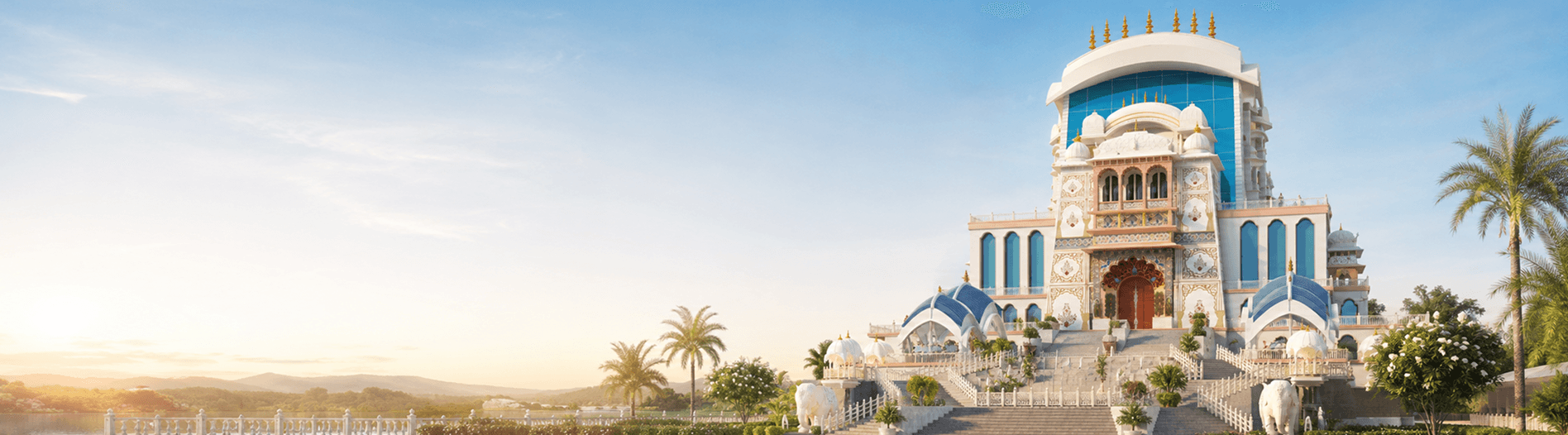
Be a Part of Building Gupt Vrindavan Dham
Your support helps strengthen temple construction, Gau Seva, Annadaan Seva, cultural education, and devotional programs. Participate in Square Feet Seva, Mandir Nirman Seva, Annadaan, Gau Seva, and other sacred initiatives.