

Karma Kanda Svarupo'yam
Bhajan | Bhaktivinoda Thakura
Verse 1
karma-kanda-svarupo'yam magadhah kamsa-bandhavah
rurodha mathuram ramyam brahma-jsana-svarupini
Verse 2
mayaya bandhavan krsno nitavan dvarakam purim
mlecchata-yavanam hitva sa-ramo gatavan harih
Verse 3
mucukundam maharajam mukti-margadhikarinam
padahanad duracaras tasya tejohatas tada
Verse 4
aisvarya-jsana-mayyam vai dvarakayam gato harih
uvaha rukminim devim paramaisvarya-rupinim
Verse 5
pradyumnah kama-rupo vai jatas tasyah hrtas tada
maya-rupena daityena sambarena duratmana
Verse 6
svapatnya rati-devya sah siksitah paraviraha
nihatya sambaram kamo dvarakam gatavams tada
Verse 7
mana-mayyas ca radhayah satyabhamam kalam subham
upayeme harih pritya many-uddhara-cchalena ca
Verse 8
madhurya-hladini-sakteh praticchaya svarupakah
rukminyadya mahisyo'sta krsnasyantah-pure kila
Verse 9
aisvarye phalavan krsnah santater vistrtir yatah
satvatam vamsa-samvrddhih dvarakayam satam hrdi
Verse 10
sthulartha-bodhake granthe na tesam artha-nirnayah
prthag-rupena kartavyah sudhiyah prathayantu tat
Verse 11
advaita-rupinam daityam hatva kasim rama-patih
hara-dhamadahat krsnas tad-dusta-mata-pithakam
Verse 12
bhaumabuddhimayam bhaumam hatva sa garudasanah
uddhrtya ramanivrndamupayeme priyah satam
Verse 13
ghatayitva jarasandham bhimena dharma-bhratrna
amocayad bhumi-palan karma-pasasya bandhanat
Verse 14
yajse ca dharma-putrasya labdhva pujam asesatah
cakarta sisupalasya sirah sandvestur atmanah
Verse 15
kuruksetra-rane krsno dhara-bharam nivartya sah
samaja-raksanam karyam akarot karuna-mayah
Verse 16
sarvasam mahisinam ca pratisadma harim munih
drstva ca narado'gacchad vismayam tattva-nirnaye
Verse 17
kadarya-bhava-rupah sa dantavakro hatas tada
subhadram dharma-bhratre hi naraya dattavan prabhuh
Verse 18
salvamayam nasayitva raraksa dvarakam purim
nrgam tu krkalasatvat karma-pasad amocayat
Verse 19
sudamna priti-dattam ca tandulam bhuktavan harih
pasandanam pradattena mistena na tatha sukhi
Verse 20
balo'pi suddha-jivo'yam krsna-prema-vasam gatah
avadhid dividam mudham nirisvara-pramodakam
Verse 21
sva-samvin-nirmite dhamni hrd-gate rohini-sutah
gopibhir bhava-rupabhi reme brhad-vanantare
Verse 22
bhaktanam hrdaye sasvat krsna-lila pravartate
nato'pi sva-puram yati bhaktanam jivanatyaye
Verse 23
krsneccha kala-rupa sa yadavan bhava-rupakan
nivartya rańgatah sadhvi dvarakam plavayat tada
Verse 24
prabhase bhagavaj-jsane jarakrantan kalevaran
paraspara-vivadena mocayamasa nandini
Verse 25
krsna-bhava-svarupo'pi jarakrantat kalevarat
nirgato gokulam prapto mahimni sve mahiyate
Verse 1
This pastime has, as it were, the very nature of the karma-kanda, the ritualistic portion of the Vedas: Magadha, the relative of Kamsa, besieged the beautiful city of Mathura, which itself embodies the nature of impersonal Brahman-knowledge.
Verse 2
Through his own potency, Krishna led his kinsmen away to the city of Dvaraka; abandoning the invading Yavana king, Hari, together with Balarama, departed from Mathura.
Verse 3
Maharaja Mucukunda, who was qualified for the path of liberation, was then encountered; and the wicked invader, from kicking him with his own foot, was reduced to ashes by his radiance.
Verse 4
Hari, having gone to Dvaraka, a city itself made of the consciousness of majestic opulence, married the goddess Rukmini, who is herself the very embodiment of supreme opulence.
Verse 5
Pradyumna, who is Kamadeva himself in another form, was born to her, and was then stolen away by the evil-minded demon Sambara, who himself possessed the very form of illusion.
Verse 6
Trained by his own wife, the goddess Rati, in the pain of separation endured elsewhere, Kama, having slain Sambara, then returned to Dvaraka.
Verse 7
Hari, out of love, married Satyabhama, an auspicious portion of Radha in her own aspect of jealous pride, through the very pretext of recovering a lost jewel.
Verse 8
Rukmini and the other principal queens, eight in number, within Krishna's inner palace, are indeed reflected images, in their own right, of the sweetness of Radha's own pleasure-giving potency.
Verse 9
In this display of opulence, Krishna's fruitfulness is seen in the vast extent of his progeny; the growth of the Yadu dynasty in Dvaraka lives on within the hearts of the saintly.
Verse 10
In a text meant to convey only the surface meaning, a full determination of their deeper significance cannot be made; let the wise, in their own way, bring that deeper meaning to light.
Verse 11
Having slain the demon who had falsely taken on the very role of the one Supreme Lord, Krishna, the husband of Lakshmi, burned down Kashi, the very seat of that wicked one's false doctrine.
Verse 12
He who rides upon Garuda, having slain the demon born of the earth, the very embodiment of earthly, materialistic intelligence, rescued the multitude of women held captive and, dear to the saintly, married them.
Verse 13
Having had Jarasandha slain through Bhima, the brother devoted to dharma, he freed the kings who had been held captive from the bondage of their fettered karma.
Verse 14
And at the sacrifice of the son of Dharma, having received complete and unreserved worship there, he severed the head of Shishupala, who harbored hatred toward Him, the Supreme Self.
Verse 15
In the battle of Kurukshetra, Krishna, removing the burden of the earth, that merciful one, accomplished the necessary task of protecting society.
Verse 16
And the sage Narada, upon beholding Hari present in the private chambers of each and every one of his queens simultaneously, arrived at a state of wonder in ascertaining this truth.
Verse 17
Dantavakra, who embodied a miserly, mean disposition, was then slain; and the Lord gave Subhadra, indeed, to Arjuna, the brother devoted to dharma, in marriage.
Verse 18
Having destroyed the illusion wrought by Shalva, he protected the city of Dvaraka; and he freed King Nrga from the bondage of his fettered karma, from the very condition of having become a lizard.
Verse 19
Hari ate the flattened rice given with love by Sudama, and was not nearly so pleased by the sweets offered by faithless pretenders.
Verse 20
Even as a mere boy, this pure soul, having come under the sway of love for Krishna, slew the foolish ape-demon, who took delight in denying the very existence of God.
Verse 21
Within the abode fashioned from his own inner awareness, present within the heart, the son of Rohini enjoyed pastimes with the gopis, themselves manifestations of his own ecstatic mood, deep within the great forest.
Verse 22
Krishna's pastimes go on continuously, eternally, within the hearts of his devotees; even though he appears to depart for his own abode, he does so only when the very life of those devotees who witnessed them comes to its own end.
Verse 23
That chaste desire of Krishna's own, taking the form of time itself, having withdrawn the Yadavas, themselves but manifestations of his own moods, from their play, then caused Dvaraka to be submerged beneath the sea.
Verse 24
At Prabhasa, through mutual quarreling among themselves, those bodies, weighed down by age, were released from within the very consciousness of God.
Verse 25
Krishna, though himself of the very nature of pure consciousness, having emerged from that body worn down by age, attained Gokula once more, and is glorified there in his own true, eternal glory.
Verse 1
karma-kanda-svarupo'yam magadhah kamsa-bandhavah
rurodha mathuram ramyam brahma-jsana-svarupini
Verse 2
mayaya bandhavan krsno nitavan dvarakam purim
mlecchata-yavanam hitva sa-ramo gatavan harih
Verse 3
mucukundam maharajam mukti-margadhikarinam
padahanad duracaras tasya tejohatas tada
Verse 4
aisvarya-jsana-mayyam vai dvarakayam gato harih
uvaha rukminim devim paramaisvarya-rupinim
Verse 5
pradyumnah kama-rupo vai jatas tasyah hrtas tada
maya-rupena daityena sambarena duratmana
Verse 6
svapatnya rati-devya sah siksitah paraviraha
nihatya sambaram kamo dvarakam gatavams tada
Verse 7
mana-mayyas ca radhayah satyabhamam kalam subham
upayeme harih pritya many-uddhara-cchalena ca
Verse 8
madhurya-hladini-sakteh praticchaya svarupakah
rukminyadya mahisyo'sta krsnasyantah-pure kila
Verse 9
aisvarye phalavan krsnah santater vistrtir yatah
satvatam vamsa-samvrddhih dvarakayam satam hrdi
Verse 10
sthulartha-bodhake granthe na tesam artha-nirnayah
prthag-rupena kartavyah sudhiyah prathayantu tat
Verse 11
advaita-rupinam daityam hatva kasim rama-patih
hara-dhamadahat krsnas tad-dusta-mata-pithakam
Verse 12
bhaumabuddhimayam bhaumam hatva sa garudasanah
uddhrtya ramanivrndamupayeme priyah satam
Verse 13
ghatayitva jarasandham bhimena dharma-bhratrna
amocayad bhumi-palan karma-pasasya bandhanat
Verse 14
yajse ca dharma-putrasya labdhva pujam asesatah
cakarta sisupalasya sirah sandvestur atmanah
Verse 15
kuruksetra-rane krsno dhara-bharam nivartya sah
samaja-raksanam karyam akarot karuna-mayah
Verse 16
sarvasam mahisinam ca pratisadma harim munih
drstva ca narado'gacchad vismayam tattva-nirnaye
Verse 17
kadarya-bhava-rupah sa dantavakro hatas tada
subhadram dharma-bhratre hi naraya dattavan prabhuh
Verse 18
salvamayam nasayitva raraksa dvarakam purim
nrgam tu krkalasatvat karma-pasad amocayat
Verse 19
sudamna priti-dattam ca tandulam bhuktavan harih
pasandanam pradattena mistena na tatha sukhi
Verse 20
balo'pi suddha-jivo'yam krsna-prema-vasam gatah
avadhid dividam mudham nirisvara-pramodakam
Verse 21
sva-samvin-nirmite dhamni hrd-gate rohini-sutah
gopibhir bhava-rupabhi reme brhad-vanantare
Verse 22
bhaktanam hrdaye sasvat krsna-lila pravartate
nato'pi sva-puram yati bhaktanam jivanatyaye
Verse 23
krsneccha kala-rupa sa yadavan bhava-rupakan
nivartya rańgatah sadhvi dvarakam plavayat tada
Verse 24
prabhase bhagavaj-jsane jarakrantan kalevaran
paraspara-vivadena mocayamasa nandini
Verse 25
krsna-bhava-svarupo'pi jarakrantat kalevarat
nirgato gokulam prapto mahimni sve mahiyate
Verse 1
This pastime has, as it were, the very nature of the karma-kanda, the ritualistic portion of the Vedas: Magadha, the relative of Kamsa, besieged the beautiful city of Mathura, which itself embodies the nature of impersonal Brahman-knowledge.
Verse 2
Through his own potency, Krishna led his kinsmen away to the city of Dvaraka; abandoning the invading Yavana king, Hari, together with Balarama, departed from Mathura.
Verse 3
Maharaja Mucukunda, who was qualified for the path of liberation, was then encountered; and the wicked invader, from kicking him with his own foot, was reduced to ashes by his radiance.
Verse 4
Hari, having gone to Dvaraka, a city itself made of the consciousness of majestic opulence, married the goddess Rukmini, who is herself the very embodiment of supreme opulence.
Verse 5
Pradyumna, who is Kamadeva himself in another form, was born to her, and was then stolen away by the evil-minded demon Sambara, who himself possessed the very form of illusion.
Verse 6
Trained by his own wife, the goddess Rati, in the pain of separation endured elsewhere, Kama, having slain Sambara, then returned to Dvaraka.
Verse 7
Hari, out of love, married Satyabhama, an auspicious portion of Radha in her own aspect of jealous pride, through the very pretext of recovering a lost jewel.
Verse 8
Rukmini and the other principal queens, eight in number, within Krishna's inner palace, are indeed reflected images, in their own right, of the sweetness of Radha's own pleasure-giving potency.
Verse 9
In this display of opulence, Krishna's fruitfulness is seen in the vast extent of his progeny; the growth of the Yadu dynasty in Dvaraka lives on within the hearts of the saintly.
Verse 10
In a text meant to convey only the surface meaning, a full determination of their deeper significance cannot be made; let the wise, in their own way, bring that deeper meaning to light.
Verse 11
Having slain the demon who had falsely taken on the very role of the one Supreme Lord, Krishna, the husband of Lakshmi, burned down Kashi, the very seat of that wicked one's false doctrine.
Verse 12
He who rides upon Garuda, having slain the demon born of the earth, the very embodiment of earthly, materialistic intelligence, rescued the multitude of women held captive and, dear to the saintly, married them.
Verse 13
Having had Jarasandha slain through Bhima, the brother devoted to dharma, he freed the kings who had been held captive from the bondage of their fettered karma.
Verse 14
And at the sacrifice of the son of Dharma, having received complete and unreserved worship there, he severed the head of Shishupala, who harbored hatred toward Him, the Supreme Self.
Verse 15
In the battle of Kurukshetra, Krishna, removing the burden of the earth, that merciful one, accomplished the necessary task of protecting society.
Verse 16
And the sage Narada, upon beholding Hari present in the private chambers of each and every one of his queens simultaneously, arrived at a state of wonder in ascertaining this truth.
Verse 17
Dantavakra, who embodied a miserly, mean disposition, was then slain; and the Lord gave Subhadra, indeed, to Arjuna, the brother devoted to dharma, in marriage.
Verse 18
Having destroyed the illusion wrought by Shalva, he protected the city of Dvaraka; and he freed King Nrga from the bondage of his fettered karma, from the very condition of having become a lizard.
Verse 19
Hari ate the flattened rice given with love by Sudama, and was not nearly so pleased by the sweets offered by faithless pretenders.
Verse 20
Even as a mere boy, this pure soul, having come under the sway of love for Krishna, slew the foolish ape-demon, who took delight in denying the very existence of God.
Verse 21
Within the abode fashioned from his own inner awareness, present within the heart, the son of Rohini enjoyed pastimes with the gopis, themselves manifestations of his own ecstatic mood, deep within the great forest.
Verse 22
Krishna's pastimes go on continuously, eternally, within the hearts of his devotees; even though he appears to depart for his own abode, he does so only when the very life of those devotees who witnessed them comes to its own end.
Verse 23
That chaste desire of Krishna's own, taking the form of time itself, having withdrawn the Yadavas, themselves but manifestations of his own moods, from their play, then caused Dvaraka to be submerged beneath the sea.
Verse 24
At Prabhasa, through mutual quarreling among themselves, those bodies, weighed down by age, were released from within the very consciousness of God.
Verse 25
Krishna, though himself of the very nature of pure consciousness, having emerged from that body worn down by age, attained Gokula once more, and is glorified there in his own true, eternal glory.
STAY CONNECTED
Subscribe to get updates on new songs, mantras, and devotional Content.
Explore More Categories
Find more bhajans grouped by devotional theme.
Dependency
253 Songs
Glories of the Holy Name
184 Songs
Prayer for Mercy
149 Songs
Other
366 Songs

Shri Chaitanya Mahaprabhu
323 Songs
Stotram & Ashtakam
216 Songs
Tulasi Songs
5 Songs
Pranam Mantras
54 Songs
Spiritual Master
61 Songs
Shri Nityananada Prabhu
34 Songs
Lord Shri Krishna
575 Songs
Shrimati Radharani
107 Songs
Narasimha Prayers
10 Songs
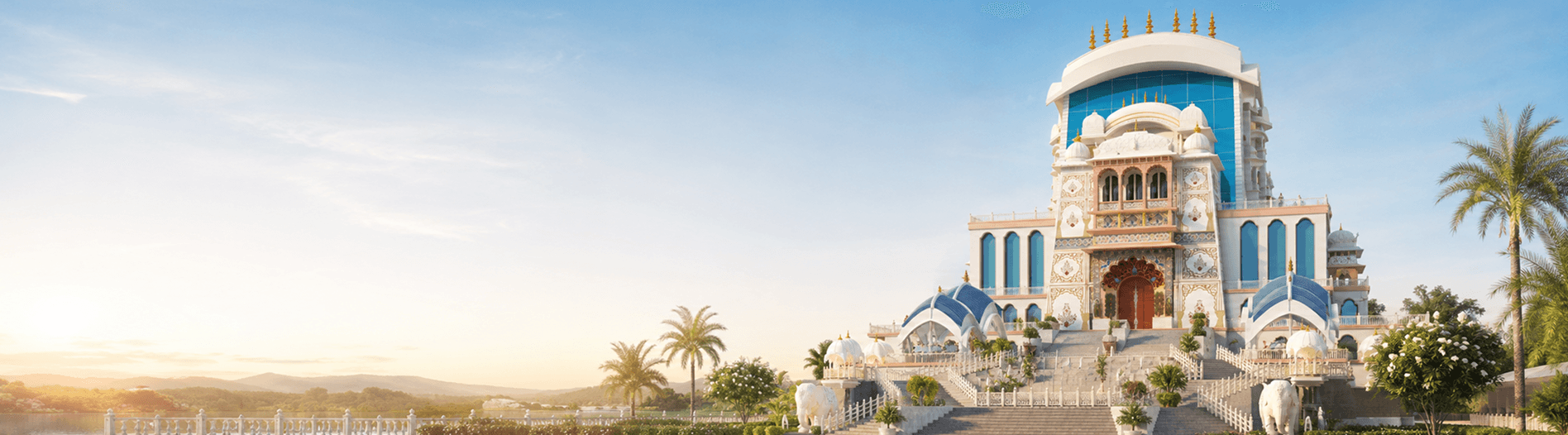
Be a Part of Building Gupt Vrindavan Dham
Your support helps strengthen temple construction, Gau Seva, Annadaan Seva, cultural education, and devotional programs. Participate in Square Feet Seva, Mandir Nirman Seva, Annadaan, Gau Seva, and other sacred initiatives.