
 Donate Now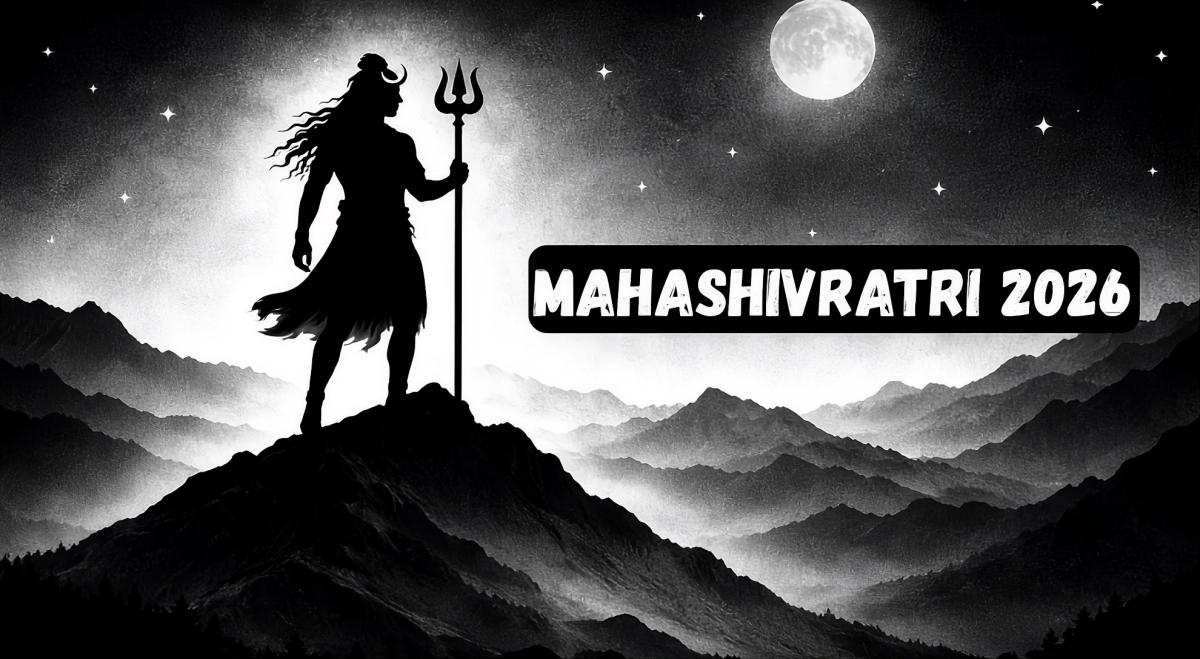
What is Mahashivratri? (Understanding the “Great Night”)
To truly benefit from this occasion, we must first understand why Mahashivratri is celebrated with such high intensity compared to other days. In the Vedic tradition, the 14th day of every lunar month, the night before the New Moon, is known as Shivratri. However, the Shivratri that falls in the transition between winter and spring is designated as “Maha” or Great.
While there are twelve Shivratris every year, Mahashivratri 2026 is the most significant. It occurs during the month of Phalguna, according to the North Indian calendar, or Magha, according to the South Indian calendar. Although the names of the months differ between regions, the sacred timing remains identical across the globe.
Here is a simple look at the difference:
Monthly Shivratri: Occurs 12 times a year on the 14th day of the waning moon, Krishna Paksha. It is a day for regular discipline and monthly spiritual “resetting.”
Mahashivratri: Occurs only once a year. It is considered the “darkest night” of the year, which paradoxically represents the brightest opportunity for the soul to shine through the darkness of ignorance.
This specific night is chosen because the planetary positions create a natural upsurge of energy within the human system. It is a time when the “Destroyer” Shiva works to dissolve our ego and the mental “dust” that keeps us from seeing our own divinity.
Mahashivratri 2026: Date and Sacred Timings
| Event | Date | Timing |
|---|---|---|
| Chaturdashi Tithi Begins | Sunday, Feb 15 | 05:04 PM |
| 1st Prahar Puja (Evening) | Sunday, Feb 15 | 06:11 PM – 09:23 PM |
| 2nd Prahar Puja (Late Night) | Sunday, Feb 15 | 09:23 PM – 12:35 AM (Feb 16) |
| Nishita Kaal (Peak Energy) | Monday, Feb 16 | 12:09 AM – 01:01 AM |
| 3rd Prahar Puja (Midnight) | Monday, Feb 16 | 12:35 AM – 03:47 AM |
| 4th Prahar Puja (Pre-dawn) | Monday, Feb 16 | 03:47 AM – 06:59 AM |
| Chaturdashi Tithi Ends | Monday, Feb 16 | 05:34 PM |
| Parana (Breaking the Fast) | Monday, Feb 16 | 06:59 AM – 03:24 PM |
The Deep Meaning: Why We Celebrate This Night
The Mahashivratri significance is rooted in both ancient mythology and a very real spiritual science. By reflecting on these truths, your practice moves from a ritual to a life-changing experience.
The Union of Shiva and Shakti: One of the most beautiful stories of this night is the marriage of Lord Shiva and Goddess Parvati. This represents the union of Purusha, pure consciousness, and Prakriti, creative energy. It teaches us that for our lives to be balanced, we need both the unmoving, silent core of consciousness and the active, vibrant energy of life.
The Emergence of the Jyotirlinga: Ancient texts describe Shiva appearing as an infinite pillar of light, the Jyotirlinga, to settle a dispute between other deities. This pillar had no beginning and no end. On Mahashivratri, we worship the Shivalinga to remind ourselves that we are more than our physical bodies; we are part of an infinite, eternal light that cannot be measured by time or space.
The Anandatandava: The Dance of Bliss: It is on this night that Lord Shiva, in His form as Nataraja, is said to perform the Anandatandava, the heavenly dance of creation, preservation, and destruction. This dance represents the rhythm of the entire universe. When we stay awake and meditate, we are trying to bring our own internal heartbeat into harmony with this cosmic dance, moving from the chaos of the world into a state of divine bliss.
The Savior of the World: We also remember the Halahala poison that emerged from the churning of the cosmic ocean. To save all of creation from destruction, Shiva drank the poison and held it in His throat, which turned blue. This selfless act reminds us that the divine is always protecting us, and that we, too, must learn to digest the difficulties of life with grace and compassion.
The Science of Energy: There is a fascinating natural phenomenon occurring on this night. Due to the positioning of the planet’s northern hemisphere, there is a natural centrifugal force that creates an upward surge of energy in the human spine. In Vedic science, it is understood that if we keep our spine vertical, or erect, during this night, we can use this natural push from the planet to help our internal energy rise toward higher centers of awareness.
Mahashivratri Vrat Rules: How to Fast Correctly
Fasting is a powerful tool to purify the body and sharpen the mind. Following the Mahashivratri vrat rules correctly helps you stay light and alert so that you can focus entirely on your spiritual practice.
The Day Before (Trayodashi): On Saturday, February 14, start your preparation by eating only one simple, vegetarian meal. This is called Sattvic eating. Avoid heavy oils, spices, and processed foods. This prepares your digestive system for the total fast the following day.
Taking the Sankalp: On the morning of February 15, after a purifying bath, sit in meditation and take a Sankalp. This is a sacred pledge or holy intention. Simply tell the divine, “I will observe this fast with a pure heart to seek your blessings and inner growth.” This mental commitment gives you the strength to stay disciplined throughout the night.
Types of Fasting: Choose a method that is safe for your health:
Nirjala Vrat: This is the most intense form, where you consume no food and no water for the entire period. This is only recommended for those who are physically fit and experienced in fasting.
Phalahar Vrat: A common and beautiful way to fast. You may consume water, fresh milk, and fruits. This keeps the body hydrated while ensuring the stomach remains light for meditation.
Partial Fasting: If you have health concerns, you can eat a simple Sattvic meal once during the day. Avoid grains and regular salt, using only Sendha Namak, or rock salt, if necessary.
Step-by-Step Shiva Puja Vidhi at Home
You do not need to be a scholar to perform a Shiva puja at home. Lord Shiva is known as Ashutosh—the one who is easily pleased. What matters most is the sincerity of your heart.
- 01
Morning Purification
Begin your Sunday by waking up early and taking a bath. Wear clean, fresh clothes; light-colored clothes like white or yellow are preferred as they represent purity. Create a small, clean altar in your home. If you have a Shivalinga, place it in a bowl to begin the Abhishekam. - 02
The Ritual of Abhishekam
This is the process of bathing the Linga. Pour each offering slowly and with great love. Start with clean water to purify. Then, pour raw milk, which represents peace. Follow this with curd (yogurt) for prosperity, honey for sweetness in life, and ghee for the clarity of the soul. Each of these items together creates Panchamrit, a sacred mixture. After these offerings, bathe the Linga once more with clean water. - 03
Offerings of Nature
Gently dry the Linga with a clean cloth. Apply a small amount of sandalwood paste (Chandan). Now, offer Belpatra (Bilva leaves). It is said that offering even one leaf with devotion is equal to many prayers. Add Dhatura flowers, which represent the fact that Shiva accepts even the wild or rejected parts of the world. Finally, light a lamp (Diya) and a stick of incense. Sit in front of your altar and feel the stillness of Shiva entering your own heart.
Night Jagran and the Powerful Maha-Mantra
The heart of the celebration is the Mahashivratri night jagran, the practice of staying awake through the entire night. This is where you can truly experience the Mahashivratri spiritual benefits.
As we discussed, the planet’s energy naturally moves upward during this night. If you lie down to sleep, you essentially block this natural flow. By staying in a seated position with a straight spine, you act like an antenna, receiving the powerful vibrations that are present in the atmosphere. This vertical posture is the secret to tapping into the spiritual upsurge.
Staying awake for twelve hours can be a challenge for the mind. To keep your consciousness focused and your heart clean, the most effective tool is the repetition of sacred sound.
For this night of purification and remembrance, you are encouraged to chant this specific mantra:
Hare Krishna Hare Krishna Krishna Krishna Hare Hare,
Hare Rama Hare Rama Rama Rama Hare Hare.
The vibration of this mantra acts like a broom for the soul, sweeping away the dust of ego, anger, and material attachment. As you chant, do not worry about the technique.
Simply let the sound resonate within you. Whether you chant it out loud with others or silently in the depths of your mind, this mantra will help you stay alert and connected to the divine presence throughout the night vigil.
Do’s and Don’ts for a Blessed Mahashivratri
Do
- Stay Positive: Use this day to practice forgiveness and kindness.
- Keep the Spine Erect: Try to sit up straight as much as possible, especially during the night hours.
- Practice Meditation: Spend time in silence to listen to the inner Shiva.
- Observe Celibacy: Maintain Brahmacharya, purity of thought and action, to conserve your vital energy.
- Wear Light Colors: Choose white, yellow, or light orange clothes to help your energy expand.
Don't
- Avoid Tamasik Food: Stay away from non-vegetarian food, onions, garlic, and heavy spices which make the mind dull.
- Avoid Intoxicants: Do not consume alcohol or tobacco, as they cloud the spiritual consciousness.
- Avoid Negative Emotions: Make a conscious effort to stay away from anger, greed, or jealousy.
- Do Not Wear Black: Avoid dark colors like black, as they represent the absorption of energy rather than its upward flow.
- Avoid Daytime Sleep: Try not to sleep during the day on Sunday so that your commitment to the night vigil remains strong.
Frequently Asked Questions (FAQ)
Conclusion
By following this guide, you are setting the stage for a truly transformative Mahashivratri 2026. May this night bring you the stillness of the mountains, the joy of the cosmic dance, and the eternal peace of the divine. Om Shanti, Shanti, Shanti.