
 Donate Now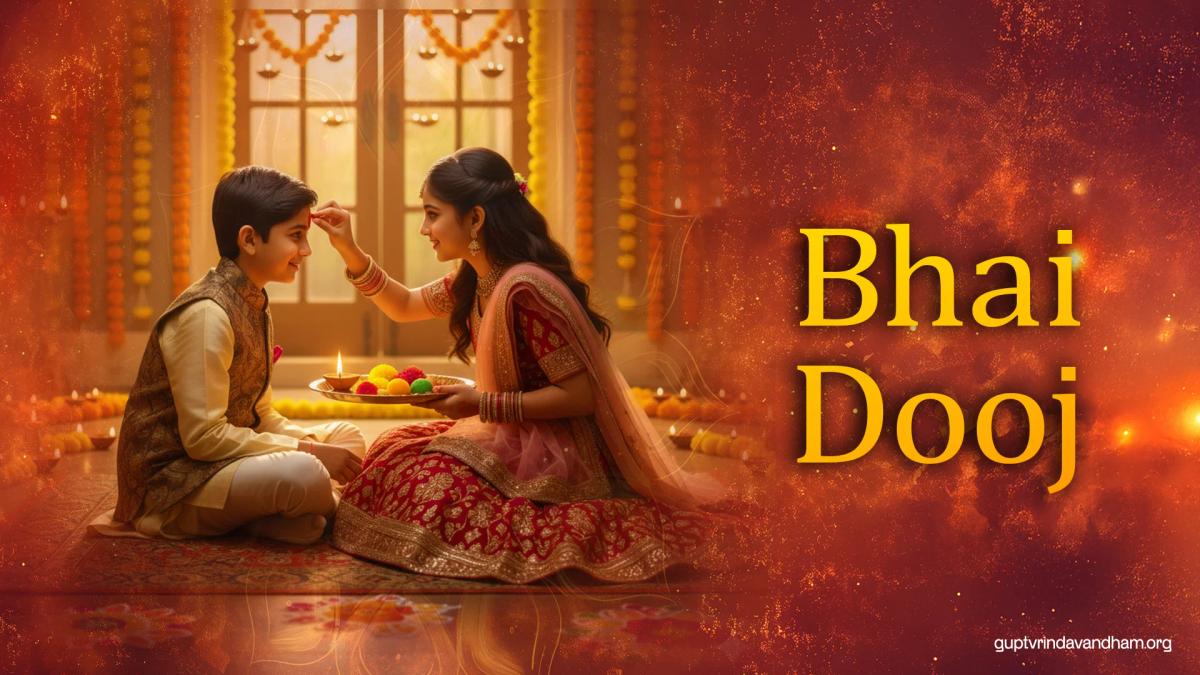
As the vibrant lights of the five-day Diwali festival begin to soften, a final, heartwarming celebration takes centre stage: Bhai Dooj.
Bhai Dooj festival serves as the beautiful conclusion to the grand festivities, shifting the focus from communal celebration to the intimate and sacred bond shared between brothers and sisters.
Bhai Dooj 2026 will be celebrated on Wednesday, November 11, uniting families in a timeless tradition of love.
What is the Meaning of Bhai Dooj?
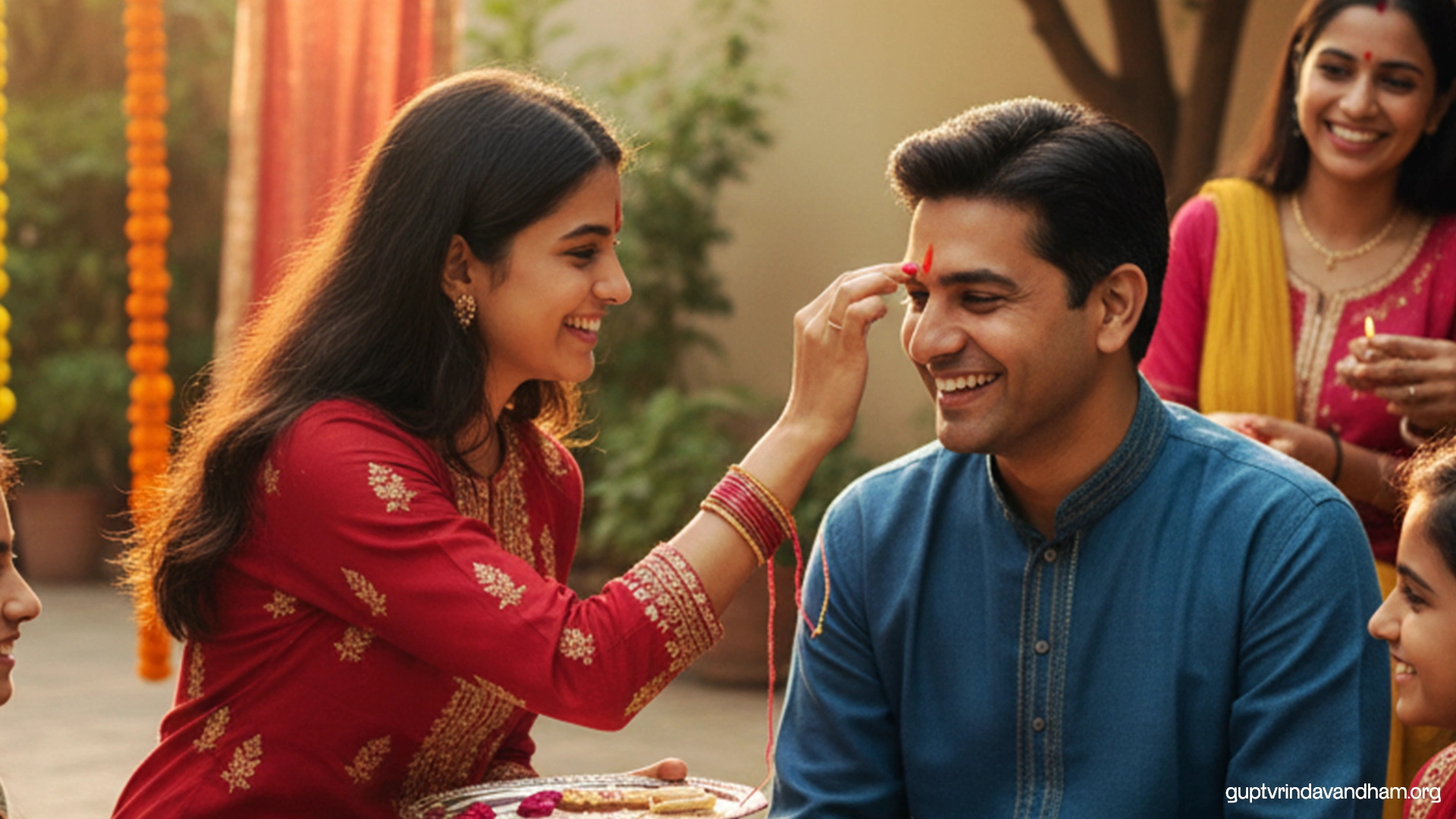
To truly appreciate the profound cultural significance of Bhai Dooj in 2026, one must first understand its name, which eloquently reveals the festival's timing and purpose.
The name itself is a simple yet powerful declaration of its essence, grounding the celebration in both the celestial calendar and the heart of the family.
It is a festival that beautifully illustrates how language, tradition, and devotion are interwoven in Hindu culture.
"Bhai Dooj" is a compound of two Hindi words: "Bhai," which translates to brother, and "Dooj," which means the second day.
The festival is observed on the second lunar day (Dwitiya Tithi) of the Shukla Paksha (the bright fortnight of the moon) in the Hindu month of Kartik.
This timing, just two days after the new moon of Diwali, positions it as the concluding ceremony of the festival season, dedicated entirely to honouring the brother-sister relationship.
Beyond its literal meaning, Bhai Dooj symbolises the unconditional love, mutual respect, emotional unity, and the sacred, lifelong promise of protection that siblings share.
Reflecting India's rich cultural tapestry, the festival is known by many names across different regions.
These diverse names, from Yama Dwitiya in the south to Bhai Phonta in the east, are not merely linguistic variations; they are echoes of the timeless legends and unique rituals we will explore.
• Bhau Beej / Bhav Bij: Used by Marathi, Gujarati, and Konkani-speaking communities in Maharashtra, Goa, Gujarat, and Karnataka.
• Bhai Phonta: The name used in West Bengal, where the ceremony involves unique rituals and a grand feast.
• Bhai Tika / Bhai Tihar: Celebrated in Nepal, where it is one of the most important days of the Tihar festival. It is also known as Kija Puja among the Newari community.
• Yama Dwitiya: Used in the southern parts of India and Bihar, this name directly references the legend of Yama, the God of Death, and his sister Yamuna.
• Bhratri Dwitiya: A Sanskrit-derived name, with "Bhratri" meaning brother, that is also used in some regions.
These names all point toward the same foundational sentiment, which is deeply rooted in ancient stories that have shaped the festival for generations.
Why Bhai Dooj is Celebrated in 2026
2026 Bhai Dooj is celebrated to strengthen the bond between two siblings by performing some traditional rituals, as it is.
It is said in scriptures that Yama, the God of Death, visited his sister Yamuna after Diwali to celebrate this festival.
Touched by this effort of her brother, Yanmuna grant a boon that anyone who visits His sister on this day will live long with good health.
Another story that is mentioned in the Vedic Scriptures is related to Lord Krishna and Devi Shubhadra.
On this day, Lord Krishna visited her and followed the rituals of Bhai Dooj.
Therefore, the Bhai Dooj festival is more than a ritual. It is an observance to bring divine protection into one's sibling's life.
How to Celebrate Bhai Dooj in 2026 Year
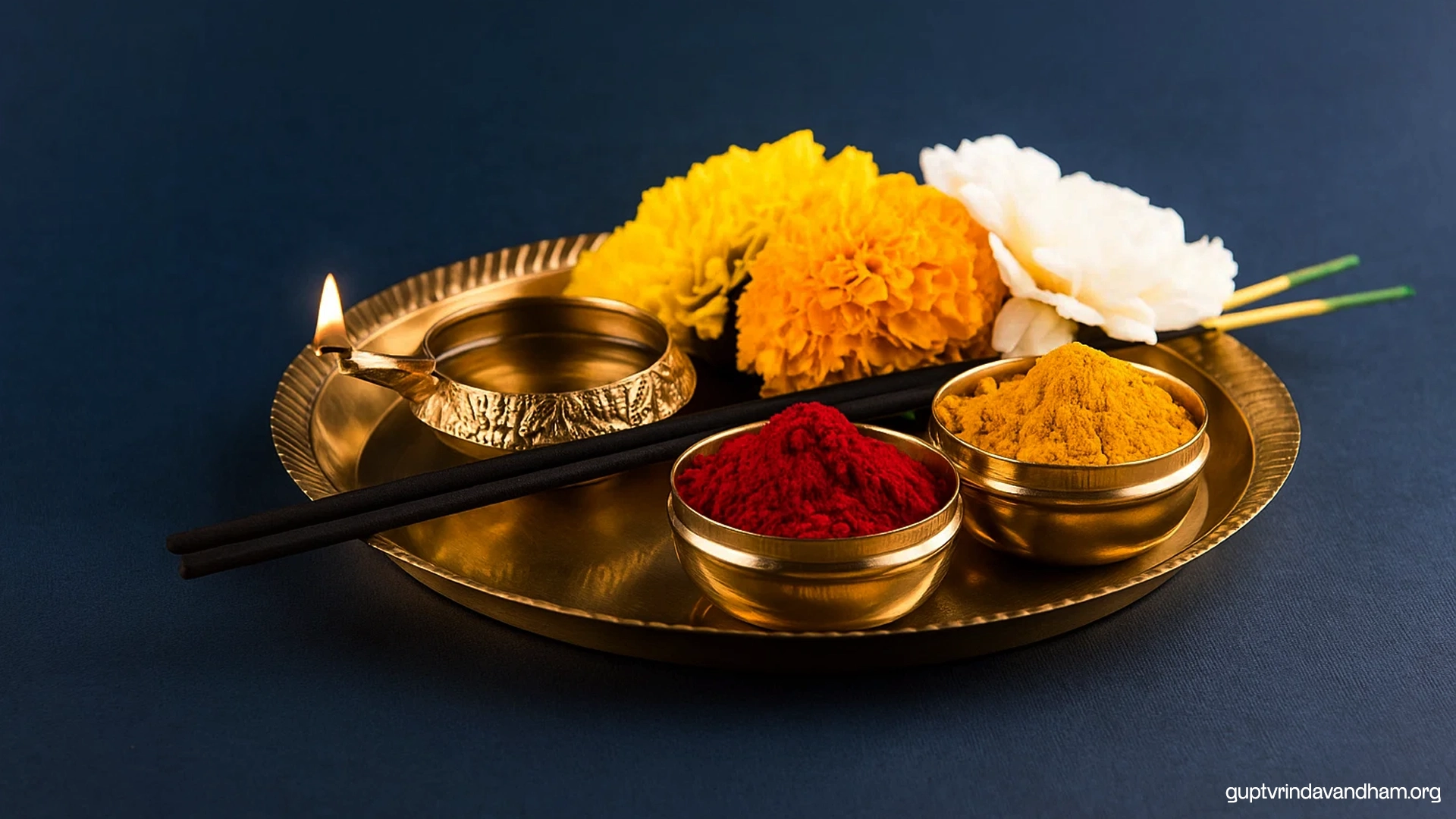
Bhai Dooj festival is celebrated with devotion, old traditions, and siblings' affection. Follow the steps below and observe this event properly:
1) Preparations:
i) Puja essentials: Diya, raw rice, kumkum, ghee.
ii) Sweets and coconut.
iii) Picture of Lord Krishna to worship
2) The Rituals:
i) Worship Lord Krishna with your family, offer Him sweets and flowers.
ii) Sisters apply a tilak on their brother's forehead. Then, she asks for her brother's happy life from the Lord.
iii) Brothers give a gift as a gesture for their sisters.
iv) Visit the temple with your sibling and take the blessings of Lord Krishna.
3) Regional Variations:
i) In Maharashtra, it is known as Bhau Bheej and celebrated by the exchange of dry coconut.
ii) In West Bengal, it is known as Bhai Phota and celebrated with grand puja and feasting.
iii) In Nepal, it is known as Bhai Tika and celebrated as the most important sibling festival.
Note: In today's time, everyone has a busy schedule. Some people can't even celebrate it with their siblings.
To celebrate this event, one must visit the temple, offer sweets to Lord Krishna. Ask the blessings of the Lord for your sibling's long and prosperous life.
The Deep Significance of Bhai Dooj
i) Divine Blessings: During the celebration, when the siblings worship Lord Krishna, they get divine protection in their lives.
ii) Unity and Togetherness: To celebrate this festival, the family members unite and pray together. This encourages family bonding and the importance of reunion.
iii) Long and Prosperous life: It is a ritual that the sister asks for her brother's long and healthy life. This increases the love and trust between two siblings.
The Divine Bond Between Lord Krishna and Subhadra Devi
One of the divine stories of Bhai Dooj is associated with Lord Krishna visiting Shubhadra Devi on this day.
After the fight with demon Narakasura, Lord Krishna returned to Dwarika to meet his sister, Devi Subhadra.
She has decorated the house, prepared a delicious meal, and arranged all the required essentials to celebrate Bhai Dooj.
Touched by his sister's love, Lord Krishna granted her the divine protection in return.
Note: Honour the beautiful bond of Lord Krishna and Devi Shubhadra on Bhai Dooj by chanting Hare Krishna Mahamantra.

FAQs
When is Bhai Dooj celebrated?
Bhai Dooj is celebrated in Kartik month, on the second day of Shukla Paksha. It falls on the next day of the Diwali festival.
Is Bhai Dooj related to Diwali?
Yes, Bhai Dooj falls on the fifth day of Diwali's five-day festival.
What are other names of Bhai Dooj?
Bhai Dooj is locally known by a different name in some regions:
1) Bhai Phota in Bengal
2) Bhau Beej in Maharashtra and Goa
3) Bhai Tika in Nepal
4) Yam Dwitiya in some regions of North India
Can sisters without brothers celebrate it?
Yes, visit a nearby Hare Krishna Temple and offer the sweets to Lord Krishna. Make a beautiful bond with the Supreme Lord by chanting the Hare Krishna Mahamantra in the temple.
Conclusion
From its simple yet profound name to the timeless legends of Lord Yama and Lord Krishna, the festival is a powerful reminder of a sister's prayers and a brother's protection. The rituals—the sacred tilak, the protective aarti, and the joyous exchange of gifts—are more than just customs; they are living expressions of an unbreakable emotional connection.
Bhai Dooj is a beautiful and sacred promise of support that strengthens family ties and celebrates the enduring love that only siblings share.
Wishing everyone a happy and blessed Bhai Dooj 2026, filled with joy, togetherness, and the timeless warmth of sibling love.
Visit Gupt Vrindavan Dham with your sibling, take the divine blessings of Lord Krishna and Lord Balaram, engage in Harinam Sankirtan, and take the prasadam with you.