


Premambhoja Maranda Stava Raja
Bhajan | Raghunatha Dasa Goswami
Verse 1
mahā-bhāvojjvalac-cintā-ratnodbhāvita-vigrahām
sakhī-praṇaya-sad-gandha-varodvartana-suprabhām
Verse 2
kāruṇyāmṛta-vīcibhis tāruṇyāmṛta-dhārayā
lāvaṇyāmṛta-vanyābhiḥ snapitāḿ glaptendirām
Verse 3
hrī-paṭṭa-vastra-guptāńgīḿ saundarya-ghusṛṇāñcitām
śyāmalojjvala-kastūrī-vicitrita-kalevarām
Verse 4
kampāśru-pulaka-stambha-sveda-gadgada-raktatāḥ
unmādo jāḍyam ity etai rathanir navabhir uttamaiḥ
Verse 5
klptālańkṛti-saḿsliṣṭāḿ guṇālī-puṣpa-mālinīm
dhīrādhīrātva-sad-vāsa-paṭa-vāsaiḥ pariṣkṛtām
Verse 6
pracchanna-māna-dhammillāḿ saubhāgya-tilakojjvalām
kṛṣṇa-nāma-yaśaḥ-śrāva-vataḿsollāsi-karṇikām
Verse 7
rāga-tāmbūla-raktauṣṭhīḿ prema-kauṭilya-kajjalām
narma-bhāṣita-nisyanda-smita-karpūra-vāsitām
Verse 8
saurabhāntaḥ-pure garva-paryańkopari līlayā
niviṣṭāḿ prema-vaicittya-vicalat-taralāñcitām
Verse 9
praṇaya-krodha-sac-colī-bandh-guptī-kṛta-stanām
sapatnī-vaktra-hṛc-choṣi-yaśaḥ-śrī-kacchapī-varām
Verse 10
madhyatātma-sakhī-skandha-līlānyasta-karāmbujām
śyāmāḿ śyāma-smarāmoda-madhulī-pariveśikām
Verse 11
tvāḿ natvā yācate dhṛtvā tṛṇaḿ dantair ayaḿ janaḥ
sva-dāsyāmṛta-sekena jīvayāmuḿ suduḥkhitam
Verse 12
na muñcec charaṇāyātam api duṣṭaḿ dayāmayaḥ
ato gāndharvike hā hā muñcainaḿ naiva tādṛśam
Verse 13
premāmbhoja-marandākhyaḿ stavarājam imaḿ janaḥ
śrī-rādhikā-kṛpā-hetuḿ paṭhaḿs tad-dāsyam āpnuyāt
Verse 1
The love of the gopis for Krsna is full of transcendental ecstasy. It appears to be a brilliant jewel, and enlightened by such a transcendental jewel, Radha’s body is further perfumed and decorated with kunkuma.
Verse 2
In the morning Her body is bathed in the nectar of compassion, in the afternoon in the nectar of youth, and in the evening in the nectar of luster itself. In this way the bathing is performed, and Her body becomes as brilliant as the cintamani jewel. She eclipses the goddess of fortune Laksmidevi.
Verse 3
Her dress is composed of various kinds of silken garments, which may be compared to Her natural shyness. Her beauty is more and more enhanced, being decorated withkunkuma, which is compared to beauty itself, and with blackish musk, which is compared to conjugal love. Thus Her body is decorated with different colors. The kunkuma is red and the musk is black.
Verse 4
who shines resplendent with these nine finest ecstatic symptoms: trembling, tears, hairs standing on end, paralysis, perspiration, faltering voice, reddening, madness, and stupor;
Verse 5
who is adorned with finely wrought ornaments, garlanded with flowers that are her own virtues, perfumed with the fine fragrance of garments expressing her calm-yet-impassioned heroine's nature;
Verse 6
Her transcendental anger toward Krsna is embodied as the arrangement of the hair on Her head, and the tilaka of Her great fortune shines on Her beautiful forehead. The earrings of Sri Radha are the holy names of Krsna, as well as the hearing of His name and fame.
Verse 7
Her lips are always reddish due to the betelnut of ecstati affection for Krsna. The black ointment around Her eyes is Her tricky behavior with Krsna brought about by love. Her joking with Krsna and gentle smiling is the camphor with which She is perfumed.
Verse 8
She sleeps in Her room with the aroma of pride, and when She lies down in Her bed, the transcendental variety of Her loving ecstasies is like a jeweled locket in the midst of Her necklace of separation.
Verse 9
Her transcendental breasts are covered by Her sari in the form of affection and anger toward Krsna. She has a stringed instrument known as a kacchapi-vina, which is the fame and fortune that actually dries up the faces and breasts of the other gopis.
Verse 10
She always keeps Her hands on the shoulder of Her gopi friend, who is compared to Her youthful beauty, and although She is highly qualified with so many spiritual assets, She is nonetheless affected by the Cupid known as Krsna. Thus She is defeated.
Verse 11
Bowing to you, holding a straw between his teeth, this person begs: "Please revive this greatly suffering one with the sprinkling of the nectar of your service."
Verse 12
The merciful never abandon even a wicked person who has come for shelter; therefore, O Gandharvika, ah, do not abandon this one, who is not even so bad as that!
Verse 13
Whoever recites this king of prayers named "Premambhoja-maranda," composed as a means to obtain Sri Radhika's mercy, attains service unto her.
Verse 1
mahā-bhāvojjvalac-cintā-ratnodbhāvita-vigrahām
sakhī-praṇaya-sad-gandha-varodvartana-suprabhām
Verse 2
kāruṇyāmṛta-vīcibhis tāruṇyāmṛta-dhārayā
lāvaṇyāmṛta-vanyābhiḥ snapitāḿ glaptendirām
Verse 3
hrī-paṭṭa-vastra-guptāńgīḿ saundarya-ghusṛṇāñcitām
śyāmalojjvala-kastūrī-vicitrita-kalevarām
Verse 4
kampāśru-pulaka-stambha-sveda-gadgada-raktatāḥ
unmādo jāḍyam ity etai rathanir navabhir uttamaiḥ
Verse 5
klptālańkṛti-saḿsliṣṭāḿ guṇālī-puṣpa-mālinīm
dhīrādhīrātva-sad-vāsa-paṭa-vāsaiḥ pariṣkṛtām
Verse 6
pracchanna-māna-dhammillāḿ saubhāgya-tilakojjvalām
kṛṣṇa-nāma-yaśaḥ-śrāva-vataḿsollāsi-karṇikām
Verse 7
rāga-tāmbūla-raktauṣṭhīḿ prema-kauṭilya-kajjalām
narma-bhāṣita-nisyanda-smita-karpūra-vāsitām
Verse 8
saurabhāntaḥ-pure garva-paryańkopari līlayā
niviṣṭāḿ prema-vaicittya-vicalat-taralāñcitām
Verse 9
praṇaya-krodha-sac-colī-bandh-guptī-kṛta-stanām
sapatnī-vaktra-hṛc-choṣi-yaśaḥ-śrī-kacchapī-varām
Verse 10
madhyatātma-sakhī-skandha-līlānyasta-karāmbujām
śyāmāḿ śyāma-smarāmoda-madhulī-pariveśikām
Verse 11
tvāḿ natvā yācate dhṛtvā tṛṇaḿ dantair ayaḿ janaḥ
sva-dāsyāmṛta-sekena jīvayāmuḿ suduḥkhitam
Verse 12
na muñcec charaṇāyātam api duṣṭaḿ dayāmayaḥ
ato gāndharvike hā hā muñcainaḿ naiva tādṛśam
Verse 13
premāmbhoja-marandākhyaḿ stavarājam imaḿ janaḥ
śrī-rādhikā-kṛpā-hetuḿ paṭhaḿs tad-dāsyam āpnuyāt
Verse 1
The love of the gopis for Krsna is full of transcendental ecstasy. It appears to be a brilliant jewel, and enlightened by such a transcendental jewel, Radha’s body is further perfumed and decorated with kunkuma.
Verse 2
In the morning Her body is bathed in the nectar of compassion, in the afternoon in the nectar of youth, and in the evening in the nectar of luster itself. In this way the bathing is performed, and Her body becomes as brilliant as the cintamani jewel. She eclipses the goddess of fortune Laksmidevi.
Verse 3
Her dress is composed of various kinds of silken garments, which may be compared to Her natural shyness. Her beauty is more and more enhanced, being decorated withkunkuma, which is compared to beauty itself, and with blackish musk, which is compared to conjugal love. Thus Her body is decorated with different colors. The kunkuma is red and the musk is black.
Verse 4
who shines resplendent with these nine finest ecstatic symptoms: trembling, tears, hairs standing on end, paralysis, perspiration, faltering voice, reddening, madness, and stupor;
Verse 5
who is adorned with finely wrought ornaments, garlanded with flowers that are her own virtues, perfumed with the fine fragrance of garments expressing her calm-yet-impassioned heroine's nature;
Verse 6
Her transcendental anger toward Krsna is embodied as the arrangement of the hair on Her head, and the tilaka of Her great fortune shines on Her beautiful forehead. The earrings of Sri Radha are the holy names of Krsna, as well as the hearing of His name and fame.
Verse 7
Her lips are always reddish due to the betelnut of ecstati affection for Krsna. The black ointment around Her eyes is Her tricky behavior with Krsna brought about by love. Her joking with Krsna and gentle smiling is the camphor with which She is perfumed.
Verse 8
She sleeps in Her room with the aroma of pride, and when She lies down in Her bed, the transcendental variety of Her loving ecstasies is like a jeweled locket in the midst of Her necklace of separation.
Verse 9
Her transcendental breasts are covered by Her sari in the form of affection and anger toward Krsna. She has a stringed instrument known as a kacchapi-vina, which is the fame and fortune that actually dries up the faces and breasts of the other gopis.
Verse 10
She always keeps Her hands on the shoulder of Her gopi friend, who is compared to Her youthful beauty, and although She is highly qualified with so many spiritual assets, She is nonetheless affected by the Cupid known as Krsna. Thus She is defeated.
Verse 11
Bowing to you, holding a straw between his teeth, this person begs: "Please revive this greatly suffering one with the sprinkling of the nectar of your service."
Verse 12
The merciful never abandon even a wicked person who has come for shelter; therefore, O Gandharvika, ah, do not abandon this one, who is not even so bad as that!
Verse 13
Whoever recites this king of prayers named "Premambhoja-maranda," composed as a means to obtain Sri Radhika's mercy, attains service unto her.
STAY CONNECTED
Subscribe to get updates on new songs, mantras, and devotional Content.
Explore More Categories
Find more bhajans grouped by devotional theme.
Dependency
253 Songs
Glories of the Holy Name
184 Songs
Prayer for Mercy
149 Songs
Other
366 Songs

Shri Chaitanya Mahaprabhu
323 Songs
Stotram & Ashtakam
216 Songs
Tulasi Songs
5 Songs
Pranam Mantras
54 Songs
Spiritual Master
61 Songs
Shri Nityananada Prabhu
34 Songs
Lord Shri Krishna
575 Songs
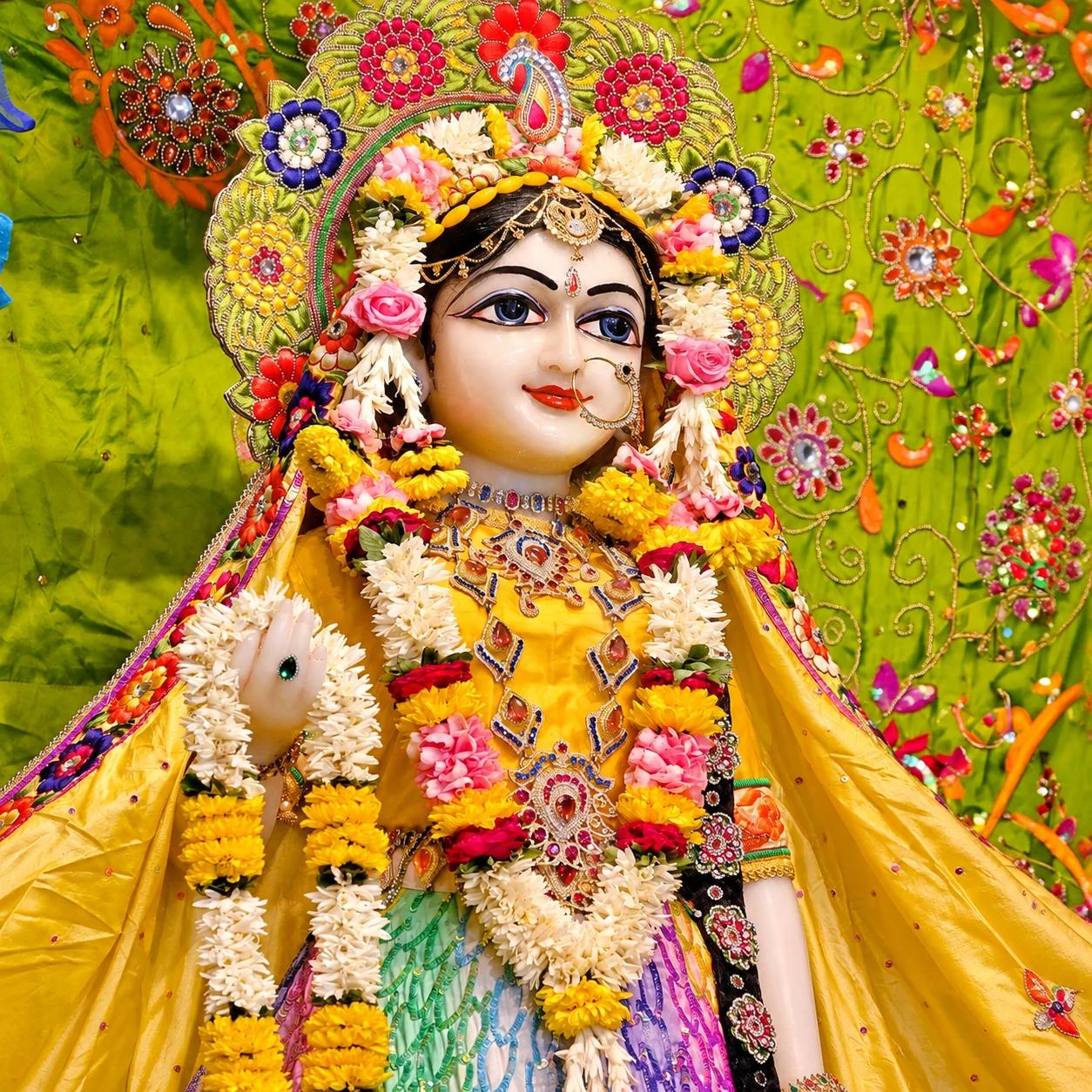
Shrimati Radharani
107 Songs
Narasimha Prayers
10 Songs

Be a Part of Building Gupt Vrindavan Dham
Your support helps strengthen temple construction, Gau Seva, Annadaan Seva, cultural education, and devotional programs. Participate in Square Feet Seva, Mandir Nirman Seva, Annadaan, Gau Seva, and other sacred initiatives.