


Ohe Priya Bandhu-jana
Bhajan | Bhaktivinoda Thakura
Verse 1
ohe priya bandhu-jana, śuna mora nivedana
yadi cāha ānanda apāra
jaḍe sukha nāhi māna, cidānanda tattva jāna
āsvādana kara sei sāra
Verse 2
madya-māṁsa-khādya-sukha, sakali jānah duḥkha
sukha bhrama mātra saba hāya
indriya vilāsa yata, sakali sukhera mata
kintu nitya-sukha nāhi tāya
Verse 3
āśāpāśe baddha ha’ye, anarthera saṅga la’ye
kena bhramiteccha nirantara
āśāra nā ācche śeṣa, mṛga-tṛṣṇā avaśeṣa
phala-mātra duḥkhera sāgara
Verse 4
deha-rūpa vṛkṣa ha’te, jīva-pakṣī apagate
indriyārtha ki karibe hāya
candra, sūrya, vāyu, jala, prakāśiyā swīya bala
āmantrite nāribe tomāya
Verse 5
priya-jana kolāhala, hā hutāsa cintānala
jāgāite pāri ki tomāre
mahānindrā-jāle paḍi, yābe tumi gaḍāgaḍi
bhasma, kīṭa-viṣṭādi vikāre
Verse 6
ye dehera snehe tumi, bhramiyācha kata bhūmi
kukkura, śṛgāla tāhā khāya
yatai yatana kara, kālera karāla kara
deha nāhi chāḍe kabhu hāya
Verse 7
ataeva tyaji bhrama, paramārthe kara śrama
bhaja kṛṣṇa citta-vinodana
bhautikāvaraṇāntara, manorūpī suvivara
bhedi tāhā cala vṛndāvana
Verse 8
gopa-veśa abhra-kānti, taruṇa viśada śānti
kalpadruma āśrita sundara
aparūpa vaṁṣī-svare, sarva jive matta kare
yathā śyāma hṛdaya-īśvara
Verse 9
jīva-vṛnda gābhī yāṅra, aiśvarya apāra tāra
tabu tāya mādhurya pradhāna
pulaka-kadamba-tale, ākarṣaṇa vaṁśī bale
sādhakera hare manaḥ prāṇa
Verse 10
viṣaye āsakti yata, vairāgye karaha hata
suṣṭhu jñāne tama kara nāśa
śravaṇa-kīrtana rūpa, siñci jala aparūpa
prema-latā karaha vikāśa
Verse 11
sādhu-saṅga sadā kara, asat-saṅga parihara
yadi yā’be kṛṣṇa sannidhāna
kṛṣṇa ati dūre naya, kṛṣṇa tava prāṇa haya
yadi prema sudha kara pāna
Verse 12
yajña, homa, karma saba, advaitādi jñānāsava
sakali jānaha vairī tava
tumi jīva kṛṣṇa-dāsa, jñāna karma tava phāṅsa
prema-mātra tomāra vibhava
Verse 13
deha, mana ādi kari, āche yata tava ari
sakale rākhaha padatale
yena tā’rā droha-yoge, tomāya nā phele bhoge
karma-jñāna-yoga dharma chale
Verse 14
se sakale prema bale, rākhaha sevāra tale
kṛṣṇa-prema-janaka karmete
tā’hale vipakṣa-gaṇa, ha’be tava bandhu-jana
bāndhite nāribe viṣayete
Verse 15
sadā hari hari bala, citta kara acañcala
aṅga kara kṛṣṇe samarpaṇa
anya cinta anya āśā, nā kare manete bāsā
eirūpa karaha sādhana
Verse 16
vyākula antara ha’ye, kṛṣṇa tattva chitte la’ye
praveśaha antara dahare
dekha tathā vidyā mūrti, vṛndāvane tāra sphūrti
aprākṛta navīna kiśore
Verse 17
deha, mana, bandhu-jana, gṛha paśu, khādya, dhana
sakali sudūravarti ha’be
vātula vātula bali, kata loke debe dhūli
tumi rabe premera bibhave
Verse 18
brahmāra sampada dhana, aṣṭā-daśa siddhigaṇa
bhukti mukti ādi kari yata
tṛṇāpekṣā nīca ha’ye, pālāve tomāra bhaye
premera prabhāve ha’ye hata
Verse 19
ye dhana pāibe tumi, tāra āge sarva-bhūmi
kibā mūlya dhare bala hāya
aiśvarya-gaṇera jini, aiśvarya mādhurya maṇi
hena kṛṣṇa labhibe tomāya
Verse 20
tumi jīva jñānamaya, kṣudra sukha tava naya
kṛṣṇānanda tava priya-dhana
jihvā cakṣu karṇa nāsā, tuṣite tava pipāsā
samartha nā haya ekakṣaṇa
Verse 21
śri caitanya padāśraya, āmāra jīvana haya
kedāra kahiche śuna bhāi
e bhava saṁsāra pāra, karibāre karṇadhāra
teṅha vinā āra keha nāi
Verse 1
O dear friends, kindly hear my plea, if you desire everlasting bliss. Do not accept happiness in material things. Try to understand that which is of a transcendental nature. Relish the essence of those things.
Verse 2
The delight found in drinking alcohol and eating meat is totally miserable. It is all merely an illusion of happiness. Pleasure gained from the senses may seem to be happiness, but eternal bliss cannot be found in them.
Verse 3
Why do you continuously roam around, bound by hopes on all sides and associating with your anarthas? There is no end to our desires, just like a deer who always remains thirsty. The only result will be an ocean of misery.
Verse 4
Even when we inhabit the form of a tree, and the bird-like jīva departs from it, what will be the use of any sense gratification? At that time, the moon, sun, wind and water may show their strength, but they will not be able to invite you back (for you have already departed and left that form of a tree).
Verse 5
(At the time of death) Your dear ones will cry piteously and your mind will burn with great lamentation and angst – will all these things be able to awaken you? Falling under such a great spell, you will roll around and finally you will be transformed into ashes, worm stool etc.
Verse 6
You have affection for this body which has forced you to wander through so many lands, but it will eventually be eaten by dogs and jackals. No matter how much you may take care of it, the terrible claws of time will never let go of this body. Alas!
Verse 7
Therefore, give up your wandering and strive to attain the highest goal. Worship Kṛṣṇa and absorb yourself in thoughts of Him. Piercing through the physical plane and the vast expanse of the mental sphere, let us go to Vṛndāvana.
Verse 8
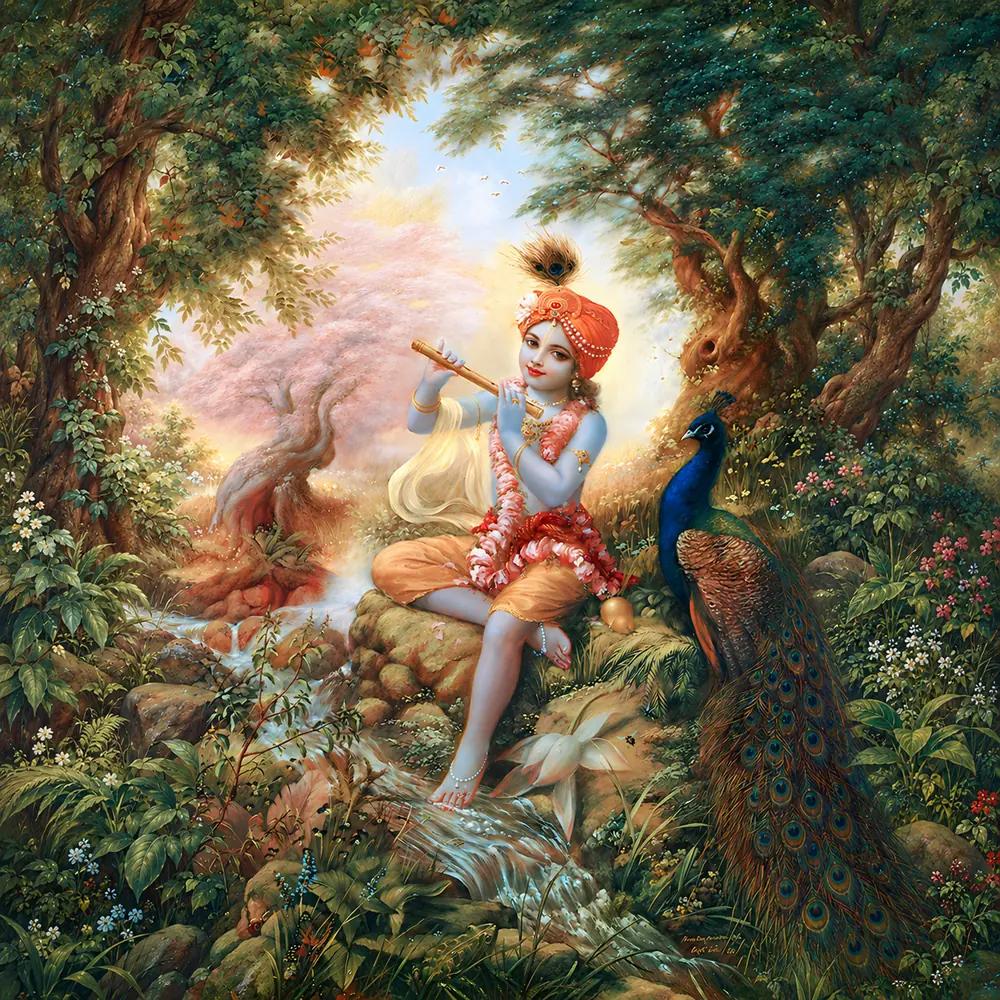
Dressed as a cowherd, the colour of a raincloud, youthful, effulgent and peaceful, He takes shelter under a beautiful desire tree. The sound of His extraordinary flute maddens all the jīvas – in this way, Śyāma is the Lord of the heart.
Verse 9
The cow-like jīvas belong to Him. Though He has unlimited opulence, still His sweetness (mādhurya) is most prominent. Sitting under a kadamba tree, the power of His flute is blissfully attracting. He captures the minds and hearts of the sādhakas.
Verse 10
Through detachment you will extinguish all your attachment to material things. By proper knowledge you will destroy ignorance. By sprinkling water in the form of hearing and chanting, the wonderful creeper of prema will manifest.
Verse 11
If you wish to be close to Kṛṣṇa, always take the association of sādhus and shun bad company. Kṛṣṇa is not very far away. Krsna will become your very life if you drink the nectar of love divine.
Verse 12
All types of yajña, homa, fruitive activities, philosophies such as Advaitavāda, and the intoxicating wine of jñāna – know all these to be your enemies. As a jīva, you are a servant of Kṛṣṇa. Jñāna and karma are your fetters, and prema alone is your real wealth.
Verse 13
The material body, mind etc. are your enemies. You should keep them all firmly underfoot! See to it that they do not rebel and hurl you into the realm of material enjoyment under the guise of karma, jñāna, yoga and dharma.
Verse 14
By the strength of prema keep them subservient to sevā. Engage them in activities born out of kṛṣṇa–prema, then these adversaries will become your friends. They will not be able to bind you to material objects.
Verse 15
Always chant, “Hari! Hari!” fix your mind, and surrender your body to Kṛṣṇa. Do not let your mind dwell on other thoughts or desires. In this way, perform sādhana.
Verse 16
With intense internal hankering, allow kṛṣṇa-tattva to penetrate your mind. Then enter deep into the pastures of your heart. Gaze there at that form of divine knowledge, who spiritedly manifests in Vṛndāvana as that Divine Youth (Navīna-Kiśora).
Verse 17
Body, mind, friends, home, pets, food, wealth – all these things will become obscure to you. You will seem to become totally insane and so many people will throw dirt at you, but the wealth of prema will remain with you.
Verse 18
The wealth and assets of Brahmā, the eighteen mystical perfections, enjoyment and liberation etc. become as insignificant as a piece of straw. Due to the influence of prema, all these things will fear you and run away.
Verse 19
Alas, what value does all the land in the world have compared to the wealth you will acquire? You will attain Kṛṣṇa, who is the crest-jewel of sweetness and the opulence of the wealthiest.
Verse 20
You are a jīva endowed with transcendental knowledge, and you are not meant for such fleeting happiness. The bliss of Kṛṣṇa is your dearmost treasure. The tongue, eyes, ears and nose are all trying to satiate your thirst, but they cannot do so even for a moment.
Verse 21
The shelter of the lotus feet of Śrī Caitanya is my very life. Kedāra says, “O Brothers, please listen! He is the helmsman who will help us cross over this world of birth and death. There is none else other than Him.
Verse 1
ohe priya bandhu-jana, śuna mora nivedana
yadi cāha ānanda apāra
jaḍe sukha nāhi māna, cidānanda tattva jāna
āsvādana kara sei sāra
Verse 2
madya-māṁsa-khādya-sukha, sakali jānah duḥkha
sukha bhrama mātra saba hāya
indriya vilāsa yata, sakali sukhera mata
kintu nitya-sukha nāhi tāya
Verse 3
āśāpāśe baddha ha’ye, anarthera saṅga la’ye
kena bhramiteccha nirantara
āśāra nā ācche śeṣa, mṛga-tṛṣṇā avaśeṣa
phala-mātra duḥkhera sāgara
Verse 4
deha-rūpa vṛkṣa ha’te, jīva-pakṣī apagate
indriyārtha ki karibe hāya
candra, sūrya, vāyu, jala, prakāśiyā swīya bala
āmantrite nāribe tomāya
Verse 5
priya-jana kolāhala, hā hutāsa cintānala
jāgāite pāri ki tomāre
mahānindrā-jāle paḍi, yābe tumi gaḍāgaḍi
bhasma, kīṭa-viṣṭādi vikāre
Verse 6
ye dehera snehe tumi, bhramiyācha kata bhūmi
kukkura, śṛgāla tāhā khāya
yatai yatana kara, kālera karāla kara
deha nāhi chāḍe kabhu hāya
Verse 7
ataeva tyaji bhrama, paramārthe kara śrama
bhaja kṛṣṇa citta-vinodana
bhautikāvaraṇāntara, manorūpī suvivara
bhedi tāhā cala vṛndāvana
Verse 8
gopa-veśa abhra-kānti, taruṇa viśada śānti
kalpadruma āśrita sundara
aparūpa vaṁṣī-svare, sarva jive matta kare
yathā śyāma hṛdaya-īśvara
Verse 9
jīva-vṛnda gābhī yāṅra, aiśvarya apāra tāra
tabu tāya mādhurya pradhāna
pulaka-kadamba-tale, ākarṣaṇa vaṁśī bale
sādhakera hare manaḥ prāṇa
Verse 10
viṣaye āsakti yata, vairāgye karaha hata
suṣṭhu jñāne tama kara nāśa
śravaṇa-kīrtana rūpa, siñci jala aparūpa
prema-latā karaha vikāśa
Verse 11
sādhu-saṅga sadā kara, asat-saṅga parihara
yadi yā’be kṛṣṇa sannidhāna
kṛṣṇa ati dūre naya, kṛṣṇa tava prāṇa haya
yadi prema sudha kara pāna
Verse 12
yajña, homa, karma saba, advaitādi jñānāsava
sakali jānaha vairī tava
tumi jīva kṛṣṇa-dāsa, jñāna karma tava phāṅsa
prema-mātra tomāra vibhava
Verse 13
deha, mana ādi kari, āche yata tava ari
sakale rākhaha padatale
yena tā’rā droha-yoge, tomāya nā phele bhoge
karma-jñāna-yoga dharma chale
Verse 14
se sakale prema bale, rākhaha sevāra tale
kṛṣṇa-prema-janaka karmete
tā’hale vipakṣa-gaṇa, ha’be tava bandhu-jana
bāndhite nāribe viṣayete
Verse 15
sadā hari hari bala, citta kara acañcala
aṅga kara kṛṣṇe samarpaṇa
anya cinta anya āśā, nā kare manete bāsā
eirūpa karaha sādhana
Verse 16
vyākula antara ha’ye, kṛṣṇa tattva chitte la’ye
praveśaha antara dahare
dekha tathā vidyā mūrti, vṛndāvane tāra sphūrti
aprākṛta navīna kiśore
Verse 17
deha, mana, bandhu-jana, gṛha paśu, khādya, dhana
sakali sudūravarti ha’be
vātula vātula bali, kata loke debe dhūli
tumi rabe premera bibhave
Verse 18
brahmāra sampada dhana, aṣṭā-daśa siddhigaṇa
bhukti mukti ādi kari yata
tṛṇāpekṣā nīca ha’ye, pālāve tomāra bhaye
premera prabhāve ha’ye hata
Verse 19
ye dhana pāibe tumi, tāra āge sarva-bhūmi
kibā mūlya dhare bala hāya
aiśvarya-gaṇera jini, aiśvarya mādhurya maṇi
hena kṛṣṇa labhibe tomāya
Verse 20
tumi jīva jñānamaya, kṣudra sukha tava naya
kṛṣṇānanda tava priya-dhana
jihvā cakṣu karṇa nāsā, tuṣite tava pipāsā
samartha nā haya ekakṣaṇa
Verse 21
śri caitanya padāśraya, āmāra jīvana haya
kedāra kahiche śuna bhāi
e bhava saṁsāra pāra, karibāre karṇadhāra
teṅha vinā āra keha nāi
Verse 1
O dear friends, kindly hear my plea, if you desire everlasting bliss. Do not accept happiness in material things. Try to understand that which is of a transcendental nature. Relish the essence of those things.
Verse 2
The delight found in drinking alcohol and eating meat is totally miserable. It is all merely an illusion of happiness. Pleasure gained from the senses may seem to be happiness, but eternal bliss cannot be found in them.
Verse 3
Why do you continuously roam around, bound by hopes on all sides and associating with your anarthas? There is no end to our desires, just like a deer who always remains thirsty. The only result will be an ocean of misery.
Verse 4
Even when we inhabit the form of a tree, and the bird-like jīva departs from it, what will be the use of any sense gratification? At that time, the moon, sun, wind and water may show their strength, but they will not be able to invite you back (for you have already departed and left that form of a tree).
Verse 5
(At the time of death) Your dear ones will cry piteously and your mind will burn with great lamentation and angst – will all these things be able to awaken you? Falling under such a great spell, you will roll around and finally you will be transformed into ashes, worm stool etc.
Verse 6
You have affection for this body which has forced you to wander through so many lands, but it will eventually be eaten by dogs and jackals. No matter how much you may take care of it, the terrible claws of time will never let go of this body. Alas!
Verse 7
Therefore, give up your wandering and strive to attain the highest goal. Worship Kṛṣṇa and absorb yourself in thoughts of Him. Piercing through the physical plane and the vast expanse of the mental sphere, let us go to Vṛndāvana.
Verse 8
Dressed as a cowherd, the colour of a raincloud, youthful, effulgent and peaceful, He takes shelter under a beautiful desire tree. The sound of His extraordinary flute maddens all the jīvas – in this way, Śyāma is the Lord of the heart.
Verse 9
The cow-like jīvas belong to Him. Though He has unlimited opulence, still His sweetness (mādhurya) is most prominent. Sitting under a kadamba tree, the power of His flute is blissfully attracting. He captures the minds and hearts of the sādhakas.
Verse 10
Through detachment you will extinguish all your attachment to material things. By proper knowledge you will destroy ignorance. By sprinkling water in the form of hearing and chanting, the wonderful creeper of prema will manifest.
Verse 11
If you wish to be close to Kṛṣṇa, always take the association of sādhus and shun bad company. Kṛṣṇa is not very far away. Krsna will become your very life if you drink the nectar of love divine.
Verse 12
All types of yajña, homa, fruitive activities, philosophies such as Advaitavāda, and the intoxicating wine of jñāna – know all these to be your enemies. As a jīva, you are a servant of Kṛṣṇa. Jñāna and karma are your fetters, and prema alone is your real wealth.
Verse 13
The material body, mind etc. are your enemies. You should keep them all firmly underfoot! See to it that they do not rebel and hurl you into the realm of material enjoyment under the guise of karma, jñāna, yoga and dharma.
Verse 14
By the strength of prema keep them subservient to sevā. Engage them in activities born out of kṛṣṇa–prema, then these adversaries will become your friends. They will not be able to bind you to material objects.
Verse 15
Always chant, “Hari! Hari!” fix your mind, and surrender your body to Kṛṣṇa. Do not let your mind dwell on other thoughts or desires. In this way, perform sādhana.
Verse 16
With intense internal hankering, allow kṛṣṇa-tattva to penetrate your mind. Then enter deep into the pastures of your heart. Gaze there at that form of divine knowledge, who spiritedly manifests in Vṛndāvana as that Divine Youth (Navīna-Kiśora).
Verse 17
Body, mind, friends, home, pets, food, wealth – all these things will become obscure to you. You will seem to become totally insane and so many people will throw dirt at you, but the wealth of prema will remain with you.
Verse 18
The wealth and assets of Brahmā, the eighteen mystical perfections, enjoyment and liberation etc. become as insignificant as a piece of straw. Due to the influence of prema, all these things will fear you and run away.
Verse 19
Alas, what value does all the land in the world have compared to the wealth you will acquire? You will attain Kṛṣṇa, who is the crest-jewel of sweetness and the opulence of the wealthiest.
Verse 20
You are a jīva endowed with transcendental knowledge, and you are not meant for such fleeting happiness. The bliss of Kṛṣṇa is your dearmost treasure. The tongue, eyes, ears and nose are all trying to satiate your thirst, but they cannot do so even for a moment.
Verse 21
The shelter of the lotus feet of Śrī Caitanya is my very life. Kedāra says, “O Brothers, please listen! He is the helmsman who will help us cross over this world of birth and death. There is none else other than Him.
STAY CONNECTED
Subscribe to get updates on new songs, mantras, and devotional Content.
Explore More Categories
Find more bhajans grouped by devotional theme.
Dependency
253 Songs
Glories of the Holy Name
184 Songs
Prayer for Mercy
149 Songs
Other
366 Songs

Shri Chaitanya Mahaprabhu
323 Songs

Stotram & Ashtakam
216 Songs
Tulasi Songs
5 Songs
Pranam Mantras
54 Songs
Spiritual Master
61 Songs
Shri Nityananada Prabhu
34 Songs
Lord Shri Krishna
575 Songs
Shrimati Radharani
107 Songs
Narasimha Prayers
10 Songs

Be a Part of Building Gupt Vrindavan Dham
Your support helps strengthen temple construction, Gau Seva, Annadaan Seva, cultural education, and devotional programs. Participate in Square Feet Seva, Mandir Nirman Seva, Annadaan, Gau Seva, and other sacred initiatives.